
Sugar glider are one of the most adorable and unique exotic pets in the world. With its big eyes, playful personality, and incredible gliding ability, this tiny marsupial has become very popular among pet lovers.
This detailed guide covers everything you need to know about the sugar glider, including its diet, care, life span, price, behavior, and how to raise a baby sugar glider.
What Is a Sugar Glider?
Sugar gliders are a nocturnal marsupial from Australia, Indonesia, and Papua New Guinea. They are named for their love of sweet foods and their ability to glide from place to place. This sugar glider care guide for beginners explains everything from behavior to diet and handling.
Sugar gliders are extremely intelligent, social, and affectionate animals. They bond deeply with their humans and communicate through chirping, barking, and clicking sounds.
Sugar Glider Characteristics & Behavior
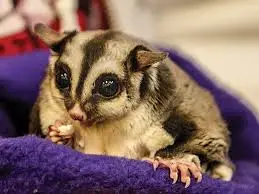
The sugar gliders is small but very energetic. With forward-facing eyes, a soft coat, and a long tail for balance, this animal is built for climbing and gliding.
They are social by nature and do best when kept in pairs. Many people search for sugargliders as a pet benefit, and one of the major benefits is their ability to form strong bonds with their owners. However, they require time, interaction, and proper care to stay healthy.
Life Span of a Sugar Glider
Understanding sugar glider lifespan in captivity is important before adopting one.
Average Life Span
- 10–15 years in captivity
- Up to 17 years with excellent care
This long lifespan means owners must be ready for a long-term commitment.
Cage Requirements for Sugar Gliders
A proper sugar gliders cage setup is essential for their physical and mental well-being.
 1. Ideal Cage Size
- Minimum: 24 x 24 x 36 inches
- The bigger, the better
- Height is more important than width
2. Bar Spacing
- Less than 0.5 inches
- Metal cages only (plastic is unsafe)
3. Must-Have Cage Items
- Exercise wheel (safe for tails)
- Hanging toys, ropes, and branches
- Sleeping pouches
- Feeding dishes
- Water bottle
Owners often search for sugar glider cage setup ideas, and the best idea is to create a vertical, natural-style habitat.
Diet Requirements of a Sugar Glider
A proper sugar glider diet and nutrition plan is necessary to keep them healthy.
Sugar Gliders Food List for Healthy Growth
Fruits
- Apples
- Grapes
- Berries
- Mango
- Papaya
Vegetables
- Sweet potato
- Carrots
- Peas
- Corn (limited)
- Cucumber
Protein Sources
- Boiled eggs
- Unseasoned chicken
- Mealworms
- Crickets
- Yogurt (small amount)
Special Foods
- Nectar mixes
- Honey (very small amount)
- Glider-safe pellets
Foods to Avoid
- Chocolate
- Avocado
- Onions and garlic
- Processed sugar
- Junk foods
This diet helps prevent malnutrition, obesity, and hind-leg paralysis.
Sugar Gliders as a Pet
Owning a sugar glider is exciting, but it requires responsibility.
Pros
- Very affectionate
- Unique gliding behavior
- Long lifespan
- Strong bonding with owners
- Clean and small
Cons
- Nocturnal (active at night)
- Should be kept in pairs
- Need daily interaction
- Require a special diet
If you can meet their needs, sugar gliders can be amazing pets.
Sugar Gliders Care
This part is your sugar gliders care guide for beginners.
1. Bonding
Spend 1–2 hours daily to bond with your glider. Use a bonding pouch.
2. Activity
Provide toys, ropes, and supervised playtime.
3. Temperature
Ideal: 75°F–80°F
Avoid cold environments
4. Grooming
Sugar gliders groom themselves, but you must trim their nails every few weeks.
Proper care ensures long-term health and happiness.
Daily Food Plan
Daily Feeding Ratio
- 40% fruits
- 30% vegetables
- 30% protein
Fresh water should always be available.
Sugar Gliders Price Guide
Many new owners ask, How much does a sugar glider cost?
Average Cost
- Normal gray:$100–$500
- White sugar glider:$300–$800
- Baby joeys:$50–$150
Other expenses include food, cage, toys, and vet care.
Interesting Sugar Glider Facts
- They can glide over 150 feet
- They are marsupials, not rodents
- They live in colonies in the wild
- Cannot be potty trained
- Highly loyal and affectionate once bonded
These sugar glider pros and cons help new owners make better decisions.
White Sugar Glider (Rare Morph)
A white sugar glider is rare and beautiful.
Care needs are the same, but they may be more sensitive to light. Price is usually higher due to rarity.
Flying Ability of Sugar Gliders
Sugar gliders don’t fly — they glide.
Their patagium (skin membrane) allows them to glide from one place to another, using their tail to steer. This explains the search term sugar glider flying ability.
Baby Sugar Gliders (Joeys)
Many people search for how to take care of a baby sugar gliders.
Baby gliders need:
- Warm temperature
- Gentle handling
- Proper feeding
- Gradual bonding
They adapt faster and form strong emotional bonds.
FAQs About Sugar Gliders
Are sugar gliders good pets?
Yes, they are loving, social, and playful pets. But they require commitment, daily interaction, and proper care. They are ideal for owners who can handle their nocturnal nature and long-term needs.
How much do sugar gliders cost?
Prices range based on color and age:
- Normal gray: $100–$500
- White/rare: $300–$800
- Babies (joeys): $50–$150
Additional costs for cage, food, toys, and vet care.
Does sugar gliders eat sugar?
They love sweet food, but should not be given refined sugar.
Safe sweet foods:
- Fruits
- Honey (small amount)
- Nectar
Avoid candy, chocolate, and sugary snacks.
What do sugar gliders eat?
A balanced mix of:
- Fruits
- Vegetables
- Protein (eggs, chicken, insects)
- Nectar mix
This diet keeps them healthy and strong.
Where to buy a sugar glider?
Buy only from:
- Reputable breeders
- Exotic pet stores
- Licensed rescue centers
Always check health records and ensure ethical sourcing.
Conclusion
The sugar gliders is a remarkable, social, and affectionate pet. Understanding its lifespan, food, cage setup, flying ability, price, and baby care ensures you become a responsible owner.
This complete guide—with long-tail keywords, FAQs, and expert details—helps beginners learn everything needed for sugar glider ownership.