
How to take care of a Lineolated Parrot is a common question among new bird lovers who are drawn to this quiet, sweet, and friendly pet. Also known as “Linnies,” Lineolated Parrots are small, gentle birds that make excellent companions for people living in apartments or quieter homes. However, like all pets, they require proper care, love, and attention to remain happy and healthy.
In this guide, we’ll take you step-by-step through everything you need to know — from their housing, diet, and grooming needs to social interaction and fun activities.
What Is a Lineolated Parrot?
The Lineolated Parrot (scientific name: Bolborhynchus lineola) is also known as the Barred Parakeet. It is native to the cool forests of Central and South America. These birds are approximately 6 to 7 inches long and are known for their calm nature, soft voices, and adorable waddling gait.
Many people choose Linnies because they are quieter than most parrots, friendly with humans, and relatively low-maintenance if you provide the right environment and care.
Ideal Housing: Where Should a Lineolated Parrot Live?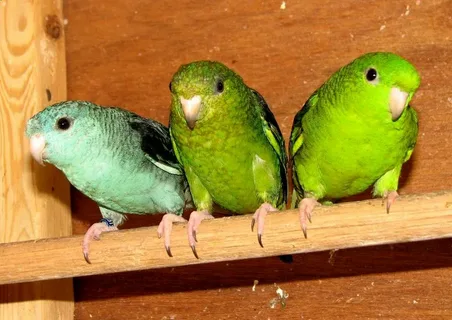
Your Linnie needs a clean, comfortable, and spacious cage to thrive.
Cage Size
- Minimum: 24″ wide × 18″ deep × 18–24″ high
- Bigger is better, especially if your bird won’t be flying freely often
Cage Setup
- Use cages with horizontal bars (they love to climb)
- Add natural wood perches of different widths
- Place chewable toys, swings, and foraging items
- Clean the cage weekly, and change papers daily
Location Tips
- Keep the cage in a quiet corner with natural light
- Avoid placing it in drafty areas or under direct sunlight
- Please keep it away from the kitchen (fumes from non-stick pans are deadly)
What Do Lineolated Parrots Eat?
A healthy diet is the foundation of caring for your Lineolated Parrot.
Staple Food
- Pellets should make up 60–70% of their diet
- Choose a high-quality, vet-approved brand
Fresh Fruits & Vegetables
Offer daily servings of:
- Leafy greens (kale, spinach, romaine)
- Carrots, bell peppers, broccoli, and corn
- Apples (no seeds), bananas, berries, grapes
- Wash thoroughly and cut into small pieces
Occasional Seeds & Treats
- Use seeds as treats or during training
- Avoid seed-only diets — they lead to obesity and vitamin deficiency
Calcium & Supplements
- Provide cuttlebone or mineral blocks
- Offer egg shells (boiled & crushed) once a week for calcium
Foods to Avoid
- Avocado
- Chocolate
- Caffeine
- Alcohol
- Onion and garlic
- Tomato leaves
- Fruit seeds and pits
Grooming and Cleaning Needs
Caring for your Linnie includes keeping them clean and healthy.
Bathing
- Offer a shallow bowl of water for bathing
- You can also gently mist them with clean water
- Let them dry in a warm, draft-free room
Beak & Nail Trimming
- Beaks rarely need trimming if your bird has chew toys
- Nails may need a trim every few months
- Use a vet or bird groomer to avoid injury
Cage Hygiene
- Clean perches, toys, and food bowls weekly
- Use bird-safe disinfectants only
Social Needs and Behavior
Lineolated Parrots are very social birds and enjoy being part of the family.
Time & Attention
- Spend at least 1–2 hours daily interacting with your Linnie
- They enjoy sitting on your shoulder or exploring your room
Taming and Bonding
- Use a gentle voice, soft movements, and treats
- Never shout or force them to do anything — patience is key
- Many Linnies love head scratches once they trust you
Signs of a Happy Linnie
- Waddling or hopping toward you
- Chirping or soft talking
- Preening near you
- Willingly stepping onto your hand
- Fun Activities and Mental Stimulation
Linnies are smart and playful birds. Boredom can lead to unhealthy habits, such as feather plucking.
Toys They Love
- Ropes and swings
- Paper or cardboard for shredding
- Foraging toys (hide treats inside)
- Puzzle toys
Let Them Explore
- Give supervised out-of-cage time daily
- Create a bird-safe play area or bird stand
Games You Can Play
- “Step up” training
- Name recognition
- Simple fetch with small balls
Can Lineolated Parrots Talk?
Yes, Linnies are known to be soft talkers.
- They can mimic words and whistles
- Their voice is low and whispery, not loud like other parrots
- With training, they may learn up to 20–30 words
Don’t expect all Linnies to talk — some prefer chirping and mimicking sounds instead.
Health Care: Keep Your Linnie Safe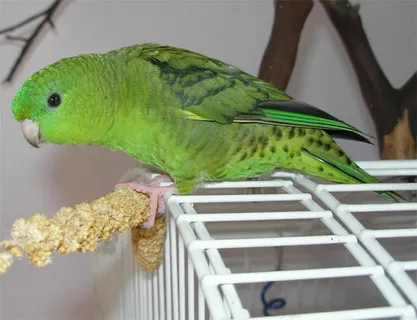
A well-cared-for Lineolated Parrot can live up to 15–20 years.
Signs of Good Health
- Bright eyes
- Clean feathers
- Active and alert
- Eating and pooping normally
Warning Signs to Watch
- Puffy feathers for long periods
- Changes in droppings
- Not eating or drinking
- Tail bobbing while breathing
- Discharge from the nose or eyes
If you notice any of these signs, take your bird to an avian vet immediately.
Routine Care
- Annual vet check-ups
- Keep vaccinations updated if advised
- Maintain a clean environment
Should You Get a Second Linnie?
Linnies are social, but not all enjoy living with other birds.
- If you’re home often, one bird is enough
- If you want to keep two, make sure they’re introduced slowly
- Always have separate cages available in case they don’t get along
Final Tips for First-Time Owners
- Patience is powerful – bonding takes time
- Routine matters – regular feeding, cleaning, and playtime keep your bird happy
- Noise level is low, but poop is frequent – be ready to clean
- Linnies love fabric – be careful if they’re hiding under blankets or cushions
- Never use non-stick cookware around birds – fumes are fatal
Conclusion: How to Take Care of a Lineolated Parrot the Right Way
How to take care of a Lineolated Parrot starts with love, patience, and proper planning. From providing a cozy cage and a balanced diet to spending quality time together and watching for health signs, every small step you take helps your Linnie live a joyful and long life.
These birds are quiet, affectionate, and full of personality — the perfect feathered friend for both new and experienced bird owners. If you follow the simple tips in this guide, your Lineolated Parrot will thrive in your home for many years to come.