A vinegaroon is one of the most unusual creatures you may ever come across. At first glance, it looks scary and dangerous, which often makes people think it is a harmful insect. However, the reality is completely different. This fascinating arachnid is actually harmless and plays an important role in nature by controlling pests.
Interestingly, many people search for terms like vinegaroon spider, whip scorpion, or even wonder about a vinegaroon bite, which shows how confusing this creature can be. Therefore, understanding what a vinegaroon really is becomes very important. In this complete guide, you will learn everything about vinegaroon size, habitat, diet, behavior, and whether it can be kept as a pet.
What Is a Vinegaroon?
A vinegaroon is a strange yet fascinating arachnid that often looks scary at first glance. However, once you learn more about it, you will realize that it is completely harmless. In fact, a vinegaroon is a शांत and shy creature that prefers hiding rather than attacking.
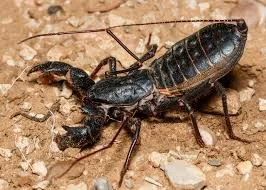 Many people call it a vinegaroon spider, spider vinegaroon, or even a whip scorpion. Although these names are popular, they can be confusing. Technically, a vinegaroon is neither a true spider nor a scorpion. Instead, it belongs to a separate group of arachnids known as Thelyphonida.
One of the most interesting features of a vinegaroon is its defense system. When it feels threatened, it releases a liquid that smells like vinegar. Because of this, it got its unique name. Moreover, this spray is not dangerous but can cause slight irritation, especially if it gets into the eyes.
In addition, vinegaroons are mostly active at night. During the day, they hide in burrows or under objects to stay safe. Therefore, even if they are around, people rarely notice them.
Vinegaroon: Meaning, Names & Pronunciation
Understanding the name vinegaroon helps you remember this creature more easily. The name comes from the vinegar-like smell it produces when defending itself.
Pronunciation
vin-uh-guh-ROON
Common Names
People search for vinegaroons using different names, such as:
- Vinegaroon
- Vinegaroons
- Vinegaroon spider
- Spider vinegaroon
- Vinegaroon scorpion
- Vinegaroon whip scorpion
- Whip scorpion
- Whipping scorpion
Although these names may look different, they all refer to the same creature. Therefore, using these variations naturally in your article helps improve SEO and reach a wider audience.
Furthermore, beginners often get confused by these mixed terms. However, once you understand that they are just different names for one animal, everything becomes clear.
Origin of Vinegaroon (Where Did They Come From?)
Vinegaroons are considered ancient creatures. In fact, they have existed for millions of years, long before many modern animals appeared.
Evolution Background
Scientists believe that vinegaroons have changed very little over time. Because of this, they are sometimes called “living fossils.” This means their structure and behavior have remained stable for a very long time.
Geographic Origin
They are commonly found in:
- North America
- South America
- Mexico
- Tropical and subtropical regions
In particular, dry and warm areas support their survival. However, they can also adapt to slightly humid environments. As a result, vinegaroons have successfully survived different climate changes over time.
Where Do Vinegaroons Live? (Habitat & Environment)
Vinegaroons prefer environments where they can hide easily and stay protected from predators. Therefore, they are usually found in dark and quiet places.
Natural Habitats
They commonly live in:
- Deserts
- Grasslands
- Forest edges
- Semi-tropical regions
Although deserts are their most common habitat, they are not limited to dry areas only.
Hiding Behavior
During the daytime, vinegaroons stay hidden in:
- Burrows, they dig themselves
- Under rocks
- Beneath logs
- Inside soil cracks
Since they are nocturnal, they come out at night to search for food. This behavior helps them avoid heat and danger.
Additionally, their burrowing habit helps them control body temperature. Because of this, they can survive in both hot and cool conditions.
Vinegaroon Habitat Setup (Complete Pet Care Guide)
If you are planning to keep a vinegaroon as a pet, setting up the right environment is very important. Without proper care, the vinegaroon may feel stressed.
Tank Setup
- Tank size: 5–10 gallons
- Substrate: Moist soil, peat moss, or coconut fiber
- Depth: At least 3–4 inches
This allows the vinegaroon to dig and hide naturally.
Temperature & Humidity
- Temperature: 22–28°C
- Humidity: Moderate
You can lightly spray water to maintain humidity. However, too much moisture can cause problems.
Decorations & Comfort
- Add rocks and bark
- Provide hiding spots
- Ensure proper airflow
As a result, your vinegaroon will feel secure and behave naturally.
Vinegaroon Size & Appearance (How Big Do They Get?)
The vinegaroon’s size can surprise many people, especially beginners.
Size Details
- Body length: 2–3 inches
- Tail length: Up to 3 inches
- Total size: Around 5–6 inches
Some species are even called giant vinegaroons because of their larger size.
Physical Appearance
A vinegaroon has a very unique structure:
- Dark brown or black body
- Strong front pincers
- Long whip-like tail
- Thin front legs used as sensors
Moreover, their bodies look armored, which makes them appear dangerous. However, this is only their appearance, not their nature.
What Do Vinegaroons Eat? (Diet & Feeding Guide)
Vinegaroons are carnivores. Therefore, they feed on small insects and other tiny creatures.
Common Food Items
- Crickets
- Cockroaches
- Termites
- Small insects
Feeding Routine
- Feed 2–3 times per week
- Provide small amounts of water
- Remove uneaten food
In addition, feeding should be balanced. Overfeeding can cause health issues, while underfeeding can weaken them.
Interestingly, vinegaroons play a useful role in nature by controlling insect populations. Because of this, they are beneficial creatures.
Vinegaroon Lifespan (How Long Do They Live?)
Vinegaroons have a relatively long lifespan compared to other small pets.
Lifespan Details
- Average: 5–7 years
- With proper care, even longer
However, their lifespan depends on factors like environment, diet, and stress levels. Therefore, providing a stable and clean habitat is very important for their long life.
Vinegaroon Behavior & Temperament (Are They Aggressive?)
Despite their scary appearance, vinegaroons are not aggressive.
Behavior Traits
- Nocturnal
- Shy and quiet
- Slow-moving
They prefer hiding to confrontation. Therefore, they rarely interact with humans.
Defense Mechanism
When threatened, they:
- Raise their tail
- Spray vinegar-like liquid
- Try to escape
This behavior shows that they are defensive rather than aggressive.
Vinegaroon Bite: Is It Dangerous?
Many people worry about a vinegaroon bite or a vinegaroon’s bite.
Do they bite?
- Very rare
- Only in extreme situations
Safety Level
- No venom
- Not dangerous
- Mild irritation only
In most cases, vinegaroons avoid humans. Therefore, there is no need to fear them.
Is Vinegaroon a Good Pet? (Pros & Cons)
Vinegaroons can be interesting pets, especially for beginners.
✅ Advantages
- Easy to care for
- Low maintenance
- Long lifespan
- Unique appearance
❌ Disadvantages
- Not suitable for handling
- Nocturnal activity
- Defensive spray
Therefore, they are best for observation rather than interaction.
Vinegaroon vs Scorpion vs Spider (Key Differences)
This comparison helps clear confusion between similar-looking creatures.
| Feature | Vinegaroon | Spider | Scorpion |
| Bite | Rare | Common | Uses sting |
| Venom | No | Yes (most) | Yes |
| Defense | Spray | Bite | Sting |
| Tail | Whip-like | None | Stinger |
| Danger Level | Low | Medium | Higher |
Interesting Facts About Vinegaroons
Here are some interesting facts:
- They release a vinegar-like smell
- They use legs like sensors
- They are harmless
- They live for years
- They help control pests
These facts make them both useful and fascinating.
Quick Facts Table
| Feature | Vinegaroon |
| Type | Arachnid |
| Bite | Rare |
| Venom | No |
| Lifespan | 5–7 years |
| Diet | Insects |
| Behavior | Nocturnal |
| Defense | Vinegar spray |
FAQ’s
1. What is a vinegaroon?
A vinegaroon is a non-venomous arachnid also known as a whip scorpion. It looks scary but is harmless to humans and uses a vinegar-like spray for defense.
2. Are vinegaroons venomous?
No, vinegaroons are not venomous. They do not have venom like spiders or scorpions. Instead, they defend themselves by spraying a harmless acidic liquid.
3. Where do vinegaroons live?
Vinegaroons live in warm and dry environments such as deserts, grasslands, and forest edges. They usually hide under rocks, logs, or inside burrows during the day.
4. Where are vinegaroons found in the US?
In the United States, vinegaroons are commonly found in southwestern states like Arizona, Texas, New Mexico, and California. These areas provide the warm climate they prefer.
5. What does a vinegaroon smell like?
A vinegaroon produces a strong vinegar-like smell when threatened. This smell comes from acetic acid, which it sprays as a defense mechanism.
6. Do vinegaroons bite humans?
Vinegaroons rarely bite humans. Even if they do, the bite is not dangerous because they do not have venom.
7. Is a vinegaroon dangerous to humans?
No, vinegaroons are not dangerous. They are shy creatures that prefer to escape rather than attack.
8. What do vinegaroons eat?
Vinegaroons eat insects such as crickets, cockroaches, termites, and other small bugs. They help control pest populations.
9. How big does a vinegaroon get?
A vinegaroon can grow up to 5 to 6 inches in total length, including its tail. Some species are known as giant vinegaroons due to their larger size.
10. Can vinegaroons be kept as pets?
Yes, vinegaroons can be kept as pets. They are low-maintenance but are better for observation rather than handling.
11. What is a vinegaroon bite like?
A vinegaroon bite is very rare and usually harmless. It may cause slight discomfort, rt buit t is not dangerous.
12. Why is it called a vinegaroon?
It is called a vinegaroon because it sprays a liquid that smells like vinegar when it feels threatened.
Final Thoughts
In conclusion, the vinegaroon is a unique and misunderstood creature. Although it looks dangerous, it is actually harmless and calm. Moreover, whether you call it vinegaroons, vinegaroon spider, or whip scorpion, it remains the same interesting arachnid. If you enjoy learning about unusual animals, vinegaroons are definitely worth exploring.
I’ve created helpful guides in the Birds category on Petstdigo, featuring posts in Care, Cleaning, and Fun Activities. These guides share practical tips on grooming, skin and coat health, bathing routines, nutrition, playtime ideas, and calming solutions to keep your pets happy and healthy. Explore these pages for easy-to-follow advice and insights to support your pet’s overall well-being.