
The African Butterfly Fish is one of the most fascinating and unusual species found in the aquarium hobby. Known for its wing-like fins and surface-hunting behavior, this incredible fish easily stands out in any freshwater setup. Unlike many common aquarium species, the African Butterfly Fish spends most of its time floating near the water surface, patiently waiting for prey.
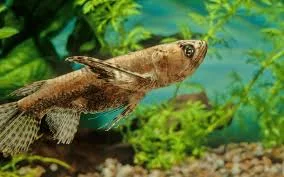 Because of this behavior, many aquarists consider it one of the most interesting surface-dwelling freshwater fish available today. This species is also popular among fish keepers looking for a unique aquarium fish with a prehistoric appearance. Although the fish looks delicate at first glance, it can actually adapt very well to home aquariums when given proper care. Furthermore, its calm floating movements and sudden hunting strikes make it highly entertaining to watch.
Many aquarium enthusiasts love this exotic freshwater fish because it behaves differently from most tropical fish species. Instead of swimming constantly around the tank, it prefers staying near floating plants and shaded areas. Therefore, creating the right environment is extremely important for long-term success.
In this detailed guide, you will learn everything about African Butterfly Fish care, including habitat, diet, lifespan, tank setup, cleaning, feeding, behavior, breeding, and compatibility. Additionally, this article naturally covers important long-tail keywords and beginner-friendly care tips that help aquarium owners keep healthy and active fish.
What Is an African Butterfly Fish?
The African Butterfly Fish (Pantodon buchholzi) is a freshwater surface fish native to West and Central Africa. It is famous for its large pectoral fins that resemble butterfly wings when viewed from above.
Unlike fast-swimming tropical species, this fish quietly floats near the surface and waits for insects or small prey. Because of its hunting style, it is often classified as a predatory freshwater fish.
Additionally, this species belongs to one of the oldest groups of freshwater fish still alive today. Its primitive body structure and unusual appearance make it highly attractive to aquarium hobbyists around the world.
African Butterfly Fish Origin and Natural Habitat
The African Butterfly Fish originates from slow-moving waters in Africa. It can commonly be found in:
- Nigeria
- Cameroon
- Congo
- Gabon
- Zambia
These fish usually live in tropical freshwater environments filled with floating plants and calm waters. In the wild, they prefer ponds, marshes, swamps, and slow rivers where insects frequently land on the surface.
Because they are natural ambush predators, they spend most of their time waiting quietly near floating vegetation. Their body coloration helps them blend into shadows and plants. As a result, they can surprise prey very effectively.
Where Do African Butterfly Fish Live?
Many people ask where freshwater butterflyfish naturally live.
These fish are found in warm, low-current waters that contain:
- Floating plants
- Soft lighting
- Quiet surface areas
- Insect populations
- Dense vegetation
Unlike bottom-dwelling fish, they rarely swim deep underwater. Instead, they remain near the surface because that is where they feel safest and find food most easily. Since they are tropical freshwater aquarium fish, warm water conditions are essential in captivity as well.
African Butterfly Appearance
One reason why the butterfly fish, the African species, is so popular is its extraordinary appearance.
Main Physical Features
- Large butterfly-like fins
- Flat body shape
- Upturned mouth
- Earth-tone camouflage colors
- Surface-adapted eyes
Their fins spread outward beautifully, giving them a floating butterfly appearance from above. Moreover, their body shape allows them to remain almost motionless near the water surface.
African Butterfly Fish Size
The African Butterfly Fish size is moderate compared to many freshwater species.
How Big Do African Butterfly Fish Get?
Most adults grow between:
- 4 to 5 inches long
- Up to 5 inches wide, including fins
Although their body length is not extremely large, their extended fins make them appear much bigger.
African Butterfly Max Size
The average African Butterfly Fish max size in captivity is around 5 inches when properly cared for. Good nutrition, stable water conditions, and low stress levels help support healthy growth.
African Butterfly Lifespan
The average African Butterfly Fish lifespan ranges from:
- 5 to 7 years
However, some fish may live longer with excellent care.
Factors That Affect Lifespan
- Clean water quality
- Proper diet
- Stable temperature
- Reduced stress
- Correct tank mates
Therefore, consistent maintenance is extremely important.
Butterfly Fish Care Basics
Understanding African Butterfly Fish care is essential before bringing one home. Although this fish is considered relatively hardy, beginners still need to understand its special surface-dwelling behavior.
Many experienced aquarists recommend keeping African Butterfly Fish in calm aquariums with floating plants because these fish naturally prefer quiet surface environments. Experts also suggest minimizing strong water flow since excessive movement can stress this species over time.
Additionally, providing shaded areas near the surface helps the fish feel more secure and comfortable. Because this fish behaves differently from many common aquarium species, proper setup plays a huge role in long-term success.
African Butterfly Fish Tank Setup
A proper aquarium setup helps these fish feel safe and healthy.
African Butterfly Fish Tank Size
The recommended African Butterfly Fish tank size is:
| Fish Quantity | Tank Size |
| 1 Fish | 30 Gallons |
| Pair | 40 Gallons |
| Community Setup | 55+ Gallons |
Wide tanks are better than tall tanks because this species spends most of its life near the surface.
Water Parameters
Here are the ideal water conditions:
| Parameter | Ideal Range |
| Temperature | 75°F–82°F |
| pH | 6.5–7.5 |
| Water Hardness | Soft to Medium |
| Water Flow | Low |
Stable water conditions are essential because sudden changes may stress the fish.
Tank Decorations
A natural environment is always best.
Recommended Decorations
- Floating plants
- Driftwood
- Dim lighting
- Calm water areas
- Dark substrate
Floating plants are especially important because they imitate the fish’s natural habitat.
Do African Butterfly Fish Jump?
Yes, they do.
One of the most important things beginners must know is that these fish are powerful jumpers.
Why They Jump
- Hunting instincts
- Fear responses
- Sudden movement
- Bright lights
Therefore, every aquarium must have a secure lid. Without proper coverage, the fish may jump out unexpectedly.
African Butterfly Fish Diet
The African Butterfly diet mainly includes protein-rich foods.
Since they are a predatory freshwater fish, they naturally hunt insects and small prey at the water’s surface.
What Do African Butterfly Fish Eat?
Many aquarium owners ask, “What do African Butterfly Fish eat?”
Their natural diet includes:
- Insects
- Mosquito larvae
- Bloodworms
- Crickets
- Small fish occasionally
- Floating prey
Because they feed near the surface, sinking foods are often ignored.
What to Feed African Butterfly Fish
If you are wondering what to feed African Butterfly Fish, here are some excellent options:
| Food Type | Frequency |
| Frozen bloodworms | Daily |
| Live crickets | Weekly |
| Floating pellets | Occasionally |
| Brine shrimp | Weekly |
A varied diet helps maintain strong health and energy.
Feeding Tips for Beginners
Feeding these fish can actually be very entertaining.
Helpful Feeding Tips
- Feed at the water surface
- Use floating foods
- Remove leftovers quickly
- Feed small portions
- Avoid overfeeding
Additionally, offering live insects occasionally encourages natural hunting behavior.
African Butterfly Fish Behavior
These fish are calm yet highly observant. Most of the time, they float quietly near the surface, waiting for movement. However, once prey appears, they attack quickly.
Because of their hunting style, many hobbyists consider them one of the most fascinating freshwater surface fish species.
Are African Butterfly Fish Aggressive?
Many people ask: Are African Butterfly Fish aggressive?
The answer is partially yes.
Temperament Overview
- Semi-aggressive
- Predatory toward tiny fish
- Territorial near the surface
- Peaceful with similar-sized fish
Therefore, choosing proper tank mates is very important.
Will African Butterfly Fish Eat Guppies?
Yes, they may.
Small guppies can become prey if they fit inside the butterfly fish’s mouth. As a result, tiny livebearers are usually not recommended.
African Butterfly Tank Mates
Choosing suitable African Fish tank mates is extremely important. Good companions usually occupy the middle or bottom tank areas.
Best Tank Mates
- Congo Tetras
- Rope Fish
- Peaceful catfish
- Larger barbs
- Medium peaceful cichlids
Avoid aggressive fin-nippers because the butterfly fish has delicate fins.
Can African Butterfly Fish Live Together?
Yes, they can.
However, enough surface space is necessary.
Important Requirements
- Large aquarium
- Floating plants
- Multiple hiding areas
- Similar-sized fish
Without enough room, territorial disputes may happen.
Is the African Butterfly Fish a Good Pet?
Yes, this species can be an excellent aquarium pet.
Why Aquarists Love Them
- Unique appearance
- Calm behavior
- Interesting feeding habits
- Rare freshwater species
- Eye-catching fins
Additionally, their unusual movements make them one of the most entertaining fish to observe.
Cleaning and Maintenance
Regular maintenance helps prevent disease and stress.
Weekly Cleaning Routine
- Change 20–30% of water
- Remove uneaten food
- Clean filters monthly
- Test water regularly
- Trim dead plants
Consistent care greatly improves fish health and lifespan.
Common Health Problems
Like other fish species, African Fish can become sick if conditions are poor.
Common Diseases
- Fin rot
- Ich
- Fungal infections
- Stress-related illness
Fortunately, most health issues can be prevented with clean water and proper feeding.
Signs of a Healthy African Butterfly
Healthy fish usually show:
- Strong appetite
- Smooth fins
- Calm floating behavior
- Active hunting response
- Clear eyes
Meanwhile, unhealthy fish may hide frequently or stop eating.
Breeding African Butterfly Fish
Successfully raising African Butterfly Fish fry requires patience, proper tank conditions, and careful attention to water quality.
Breeding Conditions
- Warm water
- Calm environment
- Floating plants
- Protein-rich diet
The eggs float at the surface until hatching occurs. However, baby fish require careful feeding and protection.
Fun Activities and Enrichment
Fish also benefit from environmental enrichment.
Fun Ideas
- Offer live insects occasionally
- Rearrange floating plants
- Create shaded areas
- Use gentle feeding games
These activities help stimulate instincts.
Freshwater Butterfly Fish for Sale
Many aquarium hobbyists search online for:
- freshwater butterfly fish for sale
- butterfly fish freshwater for sale
- African Butterfly Fish for sale
Always buy from trusted aquarium stores or reputable breeders whenever possible.
African Butterfly Fish Price
The average African Butterfly Fish price depends on:
- Fish size
- Health condition
- Seller reputation
- Country location
Most fish cost between:
- $10 and $30
Rare specimens may cost more.
Beginner Mistakes to Avoid
Many beginners accidentally make avoidable mistakes.
Common Errors
- Keeping open-top tanks
- Overfeeding
- Using strong filters
- Choosing tiny tank mates
- Ignoring water maintenance
Avoiding these problems significantly improves success.
Why African Butterfly Fishes Are So Unique
Very few fish resemble the African Butterfly Fish.
Their combination of:
- Surface hunting
- Wing-like fins
- Calm floating behavior
- Jumping ability
- Predatory instincts
makes them one of the most memorable aquarium species available today.
This incredible exotic freshwater fish offers a completely different experience compared to traditional community fish.
FAQs
1. How big do African Butterfly Fish get?
Adult African Butterfly Fish usually grow between 4 and 5 inches long. However, their large fins make them appear even bigger in a home aquarium.
2. Are African Butterfly Fish aggressive?
African Butterfly Fish are considered semi-aggressive. They are usually peaceful toward similarly sized fish, but they may eat very small fish that fit into their mouths.
3. What do African Butterfly Fish eat?
These fish mainly eat insects, bloodworms, mosquito larvae, crickets, brine shrimp, and other protein-rich floating foods.
4. What is the ideal African Butterfly Fish tank size?
A single African Butterfly Fish should be kept in at least a 30-gallon aquarium with plenty of surface space and floating plants.
5. Do African butterflies jump out of tanks?
Yes, African butterflies are excellent jumpers. Therefore, a secure lid is necessary to prevent them from escaping the aquarium.
6. Can Butterfly Fish live together?
Yes, African Butterfly Fish can live together if the aquarium is large enough and provides enough surface territory and hiding spaces.
7. What are the best African Butterfly tank mates?
Good tank mates include Congo Tetras, peaceful catfish, Rope Fish, and other medium-sized peaceful freshwater fish.
8. What is the average African Butterfly Fish lifespan?
With proper care and clean water conditions, African Butterfly can live around 5 to 7 years in captivity.
9. Will African Butterfly eat guppies?
Yes, African Butterfly may eat small guppies or fry because they are natural surface predators.
10. Is the African Fish a good pet for beginners?
Yes, African Fish can be a good choice for beginners who understand their feeding habits, jumping behavior, and tank setup requirements.
Final Thoughts
The African Butterfly Fish is one of the most interesting and beautiful species in the aquarium hobby. Its prehistoric appearance, surface-dwelling lifestyle, and fascinating hunting behavior make it an unforgettable addition to many aquariums.
Although beginners may initially find this species unusual, proper care makes ownership much easier. A secure tank, floating plants, stable water conditions, and a high-protein diet are the keys to success. Whether you are researching African Butterfly care, searching for African Fish tank mates, or wondering how big African Butterfly Fish get, this remarkable species can thrive in a peaceful and well-maintained aquarium.
With patience and proper attention, your African Butterflyfish can remain healthy, active, and entertaining for many years.
I’ve created helpful guides in the Birds category on Petstdigo, featuring posts in Care, Cleaning, and Fun Activities. These guides share practical tips on grooming, skin and coat health, bathing routines, nutrition, playtime ideas, and calming solutions to keep your pets happy and healthy. Explore these pages for easy-to-follow advice and insights to support your pet’s overall well-being.