
A society finch is one of the friendliest and easiest pet birds for beginners. These small birds are social, active, and fun to watch every day. Because of their calm personality and simple care needs, many bird lovers choose society finches as their first pet birds. In addition, they can live happily in pairs or groups, which makes them even more entertaining inside the home.
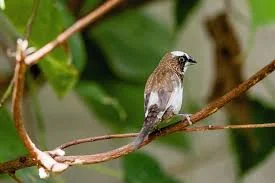 Unlike some birds that require constant attention, society finches enjoy the company of other finches. Therefore, they are perfect for people who want low-maintenance pets with cheerful behavior. Many owners also love the soft and relaxing society finch sounds that fill the room during the day.
This complete guide explains everything you need to know about the society finch bird, including habitat, diet, cage setup, lifespan, behavior, cleaning, fun activities, breeding, and expert care tips. Furthermore, you will learn about popular varieties such as the white society finch and crested society finch.
Origin of the Society Finch
The society finch is a domesticated bird that has been bred by humans for hundreds of years. Unlike wild finches, these birds were developed mainly in Asia through selective breeding. Most experts believe they are related to the white-rumped munia bird species.
Over time, breeders focused on creating birds with gentle personalities and beautiful feather patterns. As a result, modern society finches became calm, social, and easy to keep indoors.
Today, these birds are popular pets around the world. In fact, many people search for society finches for sale because they are beginner-friendly and affordable compared to larger pet birds.
Where Do Society Finches Live?
In captivity, society finches live comfortably inside bird cages or indoor aviaries. Since they are fully domesticated birds, they are not usually found living in the wild.
These birds prefer:
- Warm environments
- Quiet spaces
- Good airflow
- Natural daylight
- Safe indoor temperatures
Because they are social birds, keeping them alone is not recommended. Instead, most owners keep at least two society finch finches together so they stay happy and active.
Society Finch Habitat
Creating the right habitat is extremely important for keeping a healthy bird. Fortunately, setting up a good home for finch society birds is simple.
Ideal Cage Size
A wide cage is better than a tall cage because finches love flying sideways.
Recommended Cage Features
- Minimum 30-inch wide cage
- Horizontal flying space
- Small bar spacing
- Multiple wooden perches
- Food and water stations
- Nesting area
- Safe toys
Additionally, avoid placing the cage in direct sunlight or near air conditioners.
Society Finch Lifespan
The average society finch lifespan is around 5 to 10 years. However, some healthy birds may live even longer with excellent care.
Several factors affect lifespan, including:
- Proper nutrition
- Clean habitat
- Stress-free environment
- Exercise
- Veterinary care
Birds living in dirty cages or poor conditions often develop health problems earlier. Therefore, daily care is extremely important.
5 to 10 years
Society Finch Diet
A healthy diet keeps birds energetic, colorful, and active. Although finches are small birds, they require balanced nutrition every day.
Best Foods for Society Finches
Seed Mixes
High-quality finch seed mixes should be the main food source.
Common seeds include:
- Millet
- Canary seed
- Nyjer seed
- Oat groats
Fresh Vegetables
Fresh vegetables provide vitamins and minerals.
Good choices include:
- Spinach
- Lettuce
- Broccoli
- Carrots
- Cucumber
Fruits
Fruits should be given in small amounts.
Safe fruits include:
- Apple
- Banana
- Pear
- Blueberries
Protein Sources
Breeding birds need extra protein to stay healthy and raise strong chicks successfully. In addition, protein helps support feather growth and energy levels during this important period.
Good Protein Sources for Society Finches:
- Boiled egg
- Egg food mix
- Mealworms occasionally
Calcium
Calcium helps maintain strong bones and healthy eggs.
You can provide:
- Cuttlebone
- Mineral blocks
- Crushed eggshells
Foods to Avoid
Some foods are dangerous for birds.
Never feed:
- Chocolate
- Avocado
- Caffeine
- Alcohol
- Salty snacks
- Onion
- Garlic
Furthermore, spoiled food should always be removed quickly.
Society Finch Personality and Behavior
One reason why the society finch bird is so popular is its friendly personality. These birds are peaceful and rarely aggressive.
They enjoy:
- Flying around
- Singing softly
- Social interaction
- Nest building
- Grooming each other
In addition, they usually get along well with other small finches.
Unlike parrots, society finches do not talk. However, their gentle chirping and pleasant society finch sounds create a relaxing atmosphere in the home.
Is the Society Finch a Good Pet?
Yes, the society finch is an excellent pet for beginners and families.
Reasons Why They Make Great Pets
Easy to Care For
Their care routine is simple compared to that of larger birds.
Friendly Nature
They are calm and peaceful birds.
Low Noise Level
Their sounds are soft and relaxing.
Affordable
The average society finch price is usually lower than that of many pet birds.
Social Behavior
Watching them interact is entertaining.
However, these birds are not ideal for owners wanting cuddly pets. Society finches prefer observing rather than physical handling.
Society Finch Male and Female Differences
Many owners want to know the society finch male and female differences. Unfortunately, males and females often look very similar.
Still, there are a few clues.
Male Society Finch
A male society finch usually:
- Sings more often
- Performs courtship dances
- Bobs up and down
- Carries nesting material proudly
Female Society Finch
A female society finch generally:
- Chirps softly
- Builds nests quietly
- Appears slightly calmer
When comparing society finch male vs female, singing behavior is often the easiest clue.
Society Finch Colors
One exciting feature of society finches is their variety of feather colors.
Popular society finch colors include:
- White
- Brown
- Chocolate
- Fawn
- Mixed patterns
- Black and white
White Society Finch
The white society finch is one of the most popular varieties. Its clean white feathers create a beautiful appearance.
Crested Society Finch
A crested society finch has a unique feather crest on top of the head. This gives the bird a stylish and adorable look.
Cage Setup Tips
A comfortable cage setup improves both physical and mental health.
Essential Cage Accessories
Perches
Use natural wooden perches with different thicknesses.
Food Bowls
Keep food bowls clean every day.
Water Containers
Fresh water should always be available.
Nesting Areas
Soft nesting baskets help birds feel secure.
Toys
Simple toys encourage movement and reduce boredom.
Best Temperature for Society Finches
Society finches prefer stable temperatures between 65°F and 80°F.
65∘F to 80∘F65^{\circ}F\text{ to }80^{\circ}F65∘F to 80∘F
Sudden temperature changes can stress birds quickly. Therefore, avoid placing cages near windows or fans.
Cleaning and Maintenance
Proper cleaning keeps birds healthy and prevents disease.
Daily Cleaning Tasks
- Change the drinking water
- Remove leftover food
- Clean visible droppings
- Check cage safety
Weekly Cleaning Tasks
- Wash food bowls
- Clean perches
- Replace the cage liner
- Sanitize toys
Monthly Deep Cleaning
Once a month:
- Remove all accessories
- Disinfect cage bars
- Clean hidden corners
- Dry everything completely
A clean cage also reduces odor and improves bird comfort.
Fun Activities and Enrichment
Although society finches are small birds, they still need mental stimulation.
Fun Activities for Society Finches
Flying Time
Larger cages allow natural flying behavior.
Nest Building
Provide nesting fibers occasionally.
Mirror Exploration
Some finches enjoy mirrors briefly.
Swing Perches
Swinging perches encourage movement.
Group Interaction
Keeping multiple society finches together increases happiness.
Additionally, rearranging cage accessories from time to time keeps the environment interesting.
Breeding Society Finches
Society finches are famous for easy breeding. In fact, many breeders use them to raise other finch species.
Breeding Setup
To encourage breeding:
- Provide nesting baskets
- Offer protein-rich food
- Maintain clean conditions
- Keep stress low
Females usually lay several eggs at once.
4 to 6 eggs per clutch4\text{ to }6\text{ eggs per clutch}4 to 6 eggs per clutch
Both parents help feed and protect the chicks.
Baby Society Finch Care
Baby finches grow quickly and require warmth and nutrition.
Important Baby Care Tips
- Keep nests clean
- Avoid excessive handling
- Provide soft foods
- Ensure parents are feeding chicks properly
Young birds usually become independent after several weeks.
Common Health Problems
Like all birds, society finches can develop illnesses.
Common Issues
Respiratory Problems
Dust and poor airflow may cause breathing trouble.
Mites
Dirty cages sometimes attract parasites.
Feather Loss
Stress or poor nutrition may affect feathers.
Weakness
Vitamin deficiencies can reduce energy levels.
Signs of a Healthy Society Finch
Healthy birds usually:
- Sing regularly
- Fly actively
- Eat normally
- Maintain smooth feathers
- Interact socially
On the other hand, sleepy or puffed-up birds may require veterinary attention.
Society Finch Sounds
Many bird owners love soft society finch sounds because they are peaceful and relaxing.
Typical sounds include:
- Chirping
- Singing
- Contact calls
- Courtship songs
Males usually sing more than females.
Society Finch Price
The average society finch price depends on color, age, and breeder quality.
Typical prices range from:
- $15 to $80 per bird
Rare varieties like the crested society finch may cost more.
Additionally, cage setup and accessories increase the total starting cost.
Society Finch for Sale Tips
When searching for a society finch for sale, always choose healthy birds from trusted breeders or pet stores.
What to Look For
- Bright eyes
- Clean feathers
- Active behavior
- Smooth breathing
- Clean cage conditions
Avoid birds that appear weak or overly quiet.
Can Society Finches Live With Other Birds?
Yes, society finches are peaceful birds and often live well with other small finches.
Suitable companions may include:
- Zebra finches
- Gouldian finches
- Other calm finches
However, avoid housing them with aggressive birds.
Pros and Cons of Society Finches
| Pros | Cons |
| Beginner-friendly | Do not enjoy cuddling |
| Peaceful temperament | Small size makes handling difficult |
| Beautiful colors | Need social companionship |
| Affordable | Require regular cleaning |
| Soft sounds | Can become stressed easily |
Expert Tips for First-Time Owners
If you are new to bird keeping, these tips can help tremendously.
Helpful Beginner Tips
- Keep birds in pairs
- Maintain a regular feeding routine
- Avoid loud environments
- Clean cages consistently
- Offer fresh foods regularly
- Observe behavior daily
Furthermore, patience helps birds feel comfortable in new homes.
Interesting Facts About Society Finches
- Society finches are fully domesticated birds.
- They are known for strong parenting skills.
- Many breeders use them as foster parents.
- They come in many beautiful feather patterns.
- These birds enjoy living in groups.
Because of their calm nature, they remain one of the most loved pet finches worldwide.
FAQs
1. What do society finches eat?
Society finches eat high-quality finch seed mixes, fresh vegetables, fruits, egg food, and calcium supplements like cuttlebone for balanced nutrition.
2. How long is the society finch lifespan?
The average society finch lifespan is around 5 to 10 years. However, healthy birds living in clean and stress-free environments may live even longer.
3. Are society finches good pets for beginners?
Yes, society finches are excellent beginner pet birds because they are peaceful, social, affordable, and easy to care for compared to larger birds.
4. What is the difference between a male and female society finch?
The main society finch male and female difference is behavior. Male society finches usually sing more and perform courtship dances, while females are generally quieter.
5. Can society finches live alone?
Society finches are social birds and should not live alone for long periods. Keeping at least two society finches together helps prevent stress and loneliness.
6. What is the average society finch price?
The average society finch price ranges from $15 to $80 depending on color variety, breeder reputation, and location.
7. What cage size is best for a society bird?
A wide cage with enough flying space is best for a society finch bird. Horizontal cages work better than tall cages because finches enjoy side-to-side flying.
8. Are society finch sounds loud?
No, society finch sounds are soft, gentle, and relaxing. Their quiet chirping makes them suitable for apartments and indoor homes.
9. What are the most popular finch colors?
Popular finch colors include white, brown, chocolate, fawn, and mixed patterns. The white society finch and crested society finch are especially popular among bird owners.
10. Where can I find a healthy finch for sale?
You can find a healthy society finch for sale through trusted breeders, local pet stores, bird expos, and reputable online bird sellers. Always choose active birds with clean feathers and bright eyes.
Final Thoughts
The society finch is a wonderful pet bird for beginners and experienced bird owners alike. These birds are friendly, social, low-maintenance, and enjoyable to watch every day. In addition, their soft songs and peaceful personalities make them excellent indoor companions.
Whether you choose a white society finch, a crested society finch, or another colorful variety, proper care is extremely important. A healthy diet, clean cage, fun activities, and social interaction all help these birds live long and happy lives.
Most importantly, understanding the needs of your finch bird helps create a safe and loving environment. With proper attention and regular care, your finches can stay active, healthy, and entertaining for many years.
I’ve created helpful guides in the Birds category on Petstdigo, featuring posts in Care, Cleaning, and Fun Activities. These guides share practical tips on grooming, skin and coat health, bathing routines, nutrition, playtime ideas, and calming solutions to keep your pets happy and healthy. Explore these pages for easy-to-follow advice and insights to support your pet’s overall well-being.