
Taking care of Common Kingfishers is a wonderful experience. These beautiful birds stand out with their bright blue and orange feathers. If you live near water and want to help them, knowing how to meet their needs is important.
Kingfishers are wild birds best enjoyed in their natural environment, but you can still help them stay healthy and safe by protecting their habitats and supporting conservation. We will share some simple tips to help Common Kingfishers thrive.
Creating the Ideal Habitat for Common Kingfishers
Kingfishers need certain conditions to live and raise their young. They are usually found near clean, calm water like rivers, streams, and ponds. Here’s how you can make their environment better for them.
Keep Water Sources Clean for Common Kingfishers
Kingfishers feed mostly on fish and Aquatic insects, so a healthy environment is important. Avoid tainting nearby water sources and promote clean-up efforts when possible.
Provide Suitable Resting Spots for Common Kingfishers
Kingfishers need firm branches or poles near water to sit on while they search for food. Placing wooden stakes or natural roosts around your water garden can attract them.
Encourage Local Plants
Greenery along the water’s border provides cover and breeding material. Avoid trimming stream edges too neatly, leaving some areas to resemble their natural habitat.
Supporting Common Kingfisher Nesting Habits
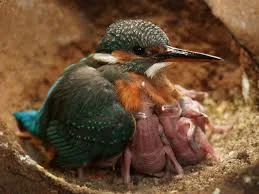
Common Kingfishers nest in burrows along sandy or muddy riverbanks. You can support their nesting habits by:
Building Artificial Nesting Banks for Common Kingfishers
If natural riverbanks aren’t available, create man-made nesting banks using soil and sand layers. Ensure these structures are stable and predator-free.
Preserving Existing Nests for Common Kingfishers
Avoid disturbing areas where kingfishers are nesting. Getting too close to their homes can make them stressed, and they might leave their eggs or chicks behind.
Ensuring a Steady Food Supply for Common Kingfishers
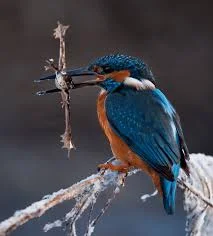 Kingfishers are skilled hunters, mostly feeding on small fish, tadpoles, and aquatic insects. While they don’t need extra feeding like garden birds, you can help maintain a steady food supply by:
- Adding small lakes with local fish: Small fish species like minnows are perfect for kingfishers.
- Supporting eco-friendly fishing: Support responsible fishing methods in shared water sources to ensure enough food for animals.
- Reducing Chemical Use: Chemicals harm aquatic insects, a key food source for kingfishers. Avoid using chemicals near water bodies.
Protecting Kingfishers from Common Threats
Kingfishers face many challenges in nature. By being aware of these threats, you can help them thrive:
- Protect Against Predators: Cats, larger birds, and snakes can harm kingfishers. Keep household pets away from nesting areas.
- Minimize Human Disturbance: Loud noises, heavy people walking, and frequent human activity near their habitat can stress kingfishers. Observe them respectfully from a distance.
- Stop Pollution: Chemicals, plastic, and other waste harm kingfishers’ food sources and habitat. Support local conservation efforts to keep water sources clean.
Observing Common Kingfishers in Nature Respectfully
Watching kingfishers in action is a magical experience, but it’s important to respect their space. Here’s how to enjoy their presence without harming them:
Use Spyglasses or Cameras for Common Kingfishers
Instead of getting too close, use tools like spyglasses or a zoom lens to watch them from a distance.
Maintain Silence for Common Kingfishers
Sudden movements or loud noises can scare kingfishers away. Move near quietly and stay calm to avoid disturbing them.
Avoid Feeding Them
Kingfishers are skilled hunters and don’t require handouts. Feeding them can disturb their natural hunting abilities.
Why Protecting Kingfishers’ Habitat Matters
 If you’re passionate about protecting kingfishers, consider supporting conservation projects. You can:
- Join Nature Organizations: Many groups work to preserve natural habitats for birds like the kingfisher. Helping out with these groups can make a big impact.
- Educate Others: Spread awareness about the importance of preserving water ecosystems for kingfishers and other animals.
- Participate in Clean-Up Efforts: Take part in or organize events around local rivers, ponds, or streams to keep habitats clean and safe.
Common Kingfisher Lifespan and Factors That Affect It
Common Kingfishers usually live for 6 to 10 years in the wild, although many young birds do not survive their first year because of predators, harsh weather, and food shortages. Their lifespan depends on several factors, including water quality, the availability of fish and insects, safe nesting areas, and protection from human disturbances.
Birds living in clean, protected habitats generally have a better chance of surviving longer. Supporting healthy river and pond ecosystems can significantly improve the lifespan of Common Kingfishers.
How to Attract Common Kingfishers to Your Garden or Pond
If you live near a pond, stream, or river, you may be able to attract Common Kingfishers by creating a bird-friendly environment. Maintain clean water, encourage small native fish populations, and provide natural perching spots such as branches or wooden poles near the water.
Planting native vegetation around the edges of the pond can provide shelter and help create a more natural habitat. Avoid using pesticides and keep the area quiet, as kingfishers prefer peaceful environments with minimal disturbance.
Common Kingfisher vs Belted Kingfisher
Comparison articles rank very well.
| Feature | Common Kingfisher | Belted Kingfisher |
|---|---|---|
| Size | Smaller | Larger |
| Color | Blue and orange | Blue-gray |
| Distribution | Europe and Asia | North America |
| Crest | Small | Large and shaggy |
Common Mistakes People Make Around Kingfishers
Include:
- Disturbing nests
- Feeding human food
- Approaching too closely
- Polluting waterways
- Allowing pets near nesting sites
- Removing riverside vegetation
FAQs
1. What is a Common Kingfisher?
The Common Kingfisher is a small, brightly colored bird known for its blue and orange feathers. It is usually found near clean rivers, ponds, and streams where it hunts for fish.
2. Where do Common Kingfishers live?
Common Kingfishers live near freshwater habitats such as rivers, lakes, canals, and ponds. They prefer clean, slow-moving water with plenty of small fish.
3. What do Common Kingfishers eat?
They mainly eat small fish, aquatic insects, tadpoles, and tiny crustaceans. They are skilled hunters that dive quickly into water to catch their prey.
4. How do Common Kingfishers hunt?
They hunt by sitting on a branch or perch above the water and watching for movement. Once they spot prey, they dive quickly and catch it with their sharp beak.
5. Are Common Kingfishers endangered?
No, Common Kingfishers are currently not endangered. However, their population can be affected by pollution, habitat loss, and water contamination.
6. How long do Common Kingfishers live?
In the wild, Common Kingfishers usually live around 6 to 10 years, but many do not survive due to predators and environmental challenges.
7. What color is a Common Kingfisher?
They have bright blue upper feathers and orange underparts. Males and females look very similar, with only slight differences in beak color.
8. Do Common Kingfishers migrate?
Some populations migrate during colder seasons, especially in regions where water bodies freeze. Others stay in their home area year-round.
9. Why are Common Kingfishers important?
They are important indicators of a healthy ecosystem. Their presence shows that the water is clean and rich in aquatic life.
10. Can I keep a Common Kingfisher as a pet?
No, Common Kingfishers are wild birds and are not suitable to be kept as pets. They require natural habitats, special diets, and protection in the wild.