
If you want a small, unusual reptile that is fascinating to watch without requiring a huge enclosure, the Viper Gecko may be worth considering.
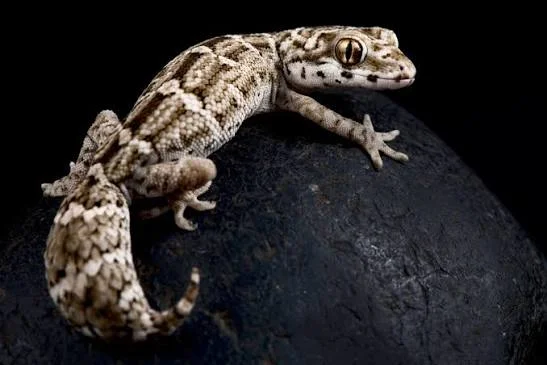 This tiny terrestrial gecko is known for its unusual body shape, bold markings, large eyes, and especially its thick carrot-shaped tail. Despite its name, it is not venomous and is not a snake.
Instead, it is a small lizard with interesting nighttime behavior and relatively manageable care requirements. However, because it is so small, successful husbandry depends on getting the details right, from the enclosure and heating to appropriately sized insects and safe handling.
The species is scientifically known as Hemidactylus imbricatus and has also appeared in older literature under the name Teratolepis fasciata.
It comes from dry regions of the Indian subcontinent, particularly Pakistan and parts of India. For keepers, understanding its natural environment is useful because a good captive habitat should reflect the animal’s preference for warm, dry conditions with plenty of places to hide.
Viper Gecko Facts
Before setting up a terrarium, it helps to understand the basic requirements of this unusual gecko.
| Care Factor | Recommended Information |
| Common name | Viper Gecko |
| Other common name | Carrot-Tail Viper Gecko |
| Scientific name | Hemidactylus imbricatus |
| Older scientific name | Teratolepis fasciata |
| Adult size | About 3–4 inches |
| Lifespan | Approximately 10–15 years with good care |
| Diet | Insectivorous |
| Activity | Mostly crepuscular and nocturnal |
| Habitat | Dry, rocky, semi-arid environments |
| Adult enclosure | Around 24 × 18 × 18 inches or larger |
| Basking area | Around 90–95°F |
| Cool side | Around 75–85°F |
| General humidity | Relatively dry |
| Humid hide | Recommended |
| UVB | Low-level UVB can be beneficial |
| Handling | Limited |
| Difficulty | Beginner to intermediate |
These figures should be treated as practical husbandry targets rather than absolute numbers. Enclosure design, ventilation, equipment, age, and individual health can all affect the ideal conditions.
What Are Geckos?
Geckos are lizards belonging to the group Gekkota. They come in a huge range of sizes, colors, shapes, and habitats.
Some live in deserts, while others inhabit forests, grasslands, rocky areas, or human environments.
So, what is a gecko exactly?
A gecko is a type of lizard with several distinctive characteristics. Many species have large eyes, specialized toe structures, vocal abilities, and excellent climbing skills.
However, not every gecko behaves the same way. Some are arboreal, while others, including the Viper Gecko, are primarily terrestrial. When people search for what geckos are, they are often looking for basic information about these unusual lizards.
The Viper Gecko is a particularly interesting example because it combines the familiar appearance of a gecko with adaptations suited to dry environments.
Viper Gecko Origin and Where Do They Live?
The Viper Gecko is native to dry areas of Pakistan and parts of India. Its natural distribution is closely associated with warm, relatively arid environments rather than humid tropical forests.
In the wild, these geckos need places where they can escape intense daytime heat and predators. Consequently, rocky surfaces, loose soil, cracks, and small shelters are important parts of their environment.
Their natural habitat helps explain why captive Viper Gecko care should focus on:
- Warm temperatures
- Dry overall conditions
- Good ventilation
- Rocky or textured surfaces
- Multiple hiding places
- Access to localized humidity
- Plenty of opportunities to move between warmer and cooler areas
Instead of trying to make the terrarium look like a rainforest, aim for a dry rocky habitat with controlled environmental variation.
Viper Gecko Habitat
A naturalistic Viper Gecko habitat does not have to be complicated. Think about what a tiny ground-dwelling reptile would need to survive in a hot, dry landscape.
It needs somewhere to hide during the hottest part of the day, places to explore after dark, and access to food and water.
A suitable habitat can include:
- Flat rocks
- Cork bark
- Small reptile hides
- Stable branches
- Desert-safe artificial plants
- Suitable substrate
- A humid hide
- A shallow water dish
The enclosure should never feel empty. At the same time, avoid filling the terrarium with unstable decorations.
Because this gecko is extremely small, even a lightweight object can become dangerous if it falls.
Viper Gecko Size and Appearance
One of the reasons people become interested in this species is its miniature size. A typical adult reaches approximately 3–4 inches in total length.
The body is small and relatively slender, while the tail is noticeably thick. The tail gives the animal its distinctive appearance and explains the nickname Carrot-Tail Viper Gecko.
Common characteristics include:
- Large eyes
- Small body
- Slender limbs
- Adhesive toe pads
- Patterned body
- Short-looking legs
- Thick carrot-shaped tail
- Earthy brown, beige, gray, or tan coloration
The exact appearance can vary between individuals.
Because of its small body, an adult should always be treated as a delicate animal. A tiny enclosure gap that seems insignificant can become an escape route.
Viper Gecko Lifespan
The expected Viper Gecko lifespan is often around 10–15 years when the animal receives appropriate care. That is a significant commitment for such a small reptile.
Good husbandry can support a longer and healthier life by providing:
- Appropriate temperatures
- Proper nutrition
- Clean drinking water
- Suitable supplementation
- Good hygiene
- Stress reduction
- Adequate hiding places
- Regular health observation
- Veterinary care when necessary
A lifespan estimate should never be treated as a guarantee. Genetics, previous husbandry, disease, nutrition, and individual health can all influence longevity.
Viper Gecko Enclosure and Tank Size
Choosing the correct Viper Gecko enclosure is one of the most important parts of ownership.
For an adult, a terrarium around 24 × 18 × 18 inches is a useful starting point, with additional space being beneficial when the enclosure is properly designed.
The important thing is not simply buying a tank and putting the gecko inside.
A proper enclosure should provide:
- A warm area
- A cool area
- Several hides
- Good ventilation
- A humid hide
- A safe substrate
- Secure decorations
- A shallow water dish
- Appropriate lighting
- Temperature monitoring
What Is the Best Viper Gecko Tank Size?
For an adult, approximately 24 × 18 × 18 inches can provide a practical amount of floor space.
However, bigger is not automatically better if the larger enclosure is empty or poorly heated. A larger terrarium can be excellent when it contains enough cover and a properly established temperature gradient.
For juveniles, an appropriately sized temporary enclosure may make monitoring feeding and environmental conditions easier.
Viper Gecko Setup Step by Step
A good Viper Gecko setup can be created in a logical order.
Step 1: Choose a secure enclosure
Make sure there are no gaps through which a tiny gecko could escape.
Step 2: Add the substrate
Use a reptile-safe substrate suitable for a dry environment.
Step 3: Establish the warm side
Position the heating equipment so one section becomes warmer while another remains cooler.
Step 4: Add hides
Provide multiple shelters rather than only one.
Step 5: Create a humid hide
This gives the gecko access to localized moisture without making the entire terrarium humid.
Step 6: Add stable décor
Use rocks, cork, hides, and other structures that cannot easily collapse.
Step 7: Install monitoring equipment
Use reliable digital thermometers and a hygrometer.
Step 8: Test everything
Run the enclosure before introducing the animal. This final step is often overlooked. Your gecko should not be the equipment tester.
Viper Gecko Temperature
Temperature is one of the most important parts of reptile husbandry. A useful setup includes a temperature gradient rather than making the entire terrarium equally hot.
A practical range is:
- Basking area: 90–95°F
- Warm area: approximately 80–90°F
- Cool area: approximately 75–85°F
- Night: around 70–75°F
The exact temperatures should be verified using reliable digital equipment. A thermostat should be used with heat-producing equipment where appropriate.
Never depend entirely on the temperature dial of a heat lamp or heating device. The gecko needs to be able to move away from the heat. That freedom is what makes a temperature gradient so useful.
Viper Gecko Humidity
The species comes from relatively dry environments, so a constantly wet enclosure is inappropriate.
Instead, aim for a generally dry terrarium while providing a localized humid hide.
This creates two different options:
- Dry environment: for normal activity and thermoregulation.
- Humid hide: for hydration and shedding support.
The humid hide should be moist rather than dripping wet. Good ventilation is also essential.
A humid area inside an otherwise well-ventilated enclosure is very different from keeping the entire terrarium damp.
Lighting and UVB
Viper Geckos are most active during low-light periods, so they do not need an intensely bright enclosure throughout the day.
However, a suitable low-level UVB system can be beneficial as part of a well-planned reptile habitat. A consistent day-and-night schedule is also important.
Avoid keeping bright lighting on around the clock. The animal should have a predictable period of darkness so it can behave naturally.
Viper Gecko Diet and Food
The Viper Gecko diet consists primarily of insects.
Good feeder choices can include:
- Small crickets
- Small dubia roaches
- Small mealworms
- Small silkworms
- Small hornworms
- Appropriately sized roach nymphs
- Other suitable captive feeder insects
Variety is better than relying on one feeder insect.
What Size Food Should a Viper Gecko Eat?
Food must be small enough for the gecko to eat comfortably. A useful rule is to avoid offering prey that is too large for the animal’s small head and mouth.
For tiny juveniles, this becomes particularly important.
Instead of thinking, “Can it swallow this?” think:
“Is this an appropriately sized feeder for a very small insectivorous lizard?”
That mindset reduces unnecessary feeding risks.
How Often Should a Viper Gecko Eat?
Feeding frequency depends on age, body condition, season, and individual appetite.
A general schedule can look like:
| Age | General Feeding Approach |
| Young juveniles | Frequent small meals |
| Growing juveniles | Every 1–2 days |
| Healthy adults | Around 2–3 feeding sessions per week |
| Breeding females | May require additional nutritional support |
Do not force-feed a healthy gecko simply because it skips one meal. Instead, monitor its weight, body condition, activity, stool, and overall behavior.
Calcium and Vitamin Supplementation
Feeder insects should be properly gut-loaded and supplemented according to a balanced reptile nutrition plan.
Calcium is particularly important for maintaining healthy bones and muscles.
A suitable supplementation routine may include:
- Calcium
- Appropriate multivitamins
- Gut-loaded feeder insects
- A varied insect diet
- Proper UVB exposure
Avoid the idea that “more supplements must be better.” Excessive supplementation can also be problematic.
When possible, follow the manufacturer’s instructions and seek professional veterinary advice if you are uncertain about a supplement schedule.
Water and Hydration
Fresh water should always be available. Use a shallow dish that the tiny gecko cannot easily become trapped in.
Change the water regularly and immediately if it becomes contaminated with substrate, insects, or waste. Hydration also comes from appropriate environmental management.
The humid hide can provide localized moisture, while occasional light misting may be used depending on the enclosure’s ventilation and drying rate.
The goal is access to moisture without creating a permanently wet habitat.
Viper Gecko Shedding
Like other lizards, Viper Geckos periodically shed their skin.
During shedding, you may notice:
- Duller coloration
- Reduced activity
- More time spent hiding
- Increased interest in a humid hide
- Loose skin around the body
Do not pull loose skin from your gecko. Instead, provide suitable humidity through a properly maintained humid hide.
Pay particular attention to toes and other small body parts if retained shed is suspected.
If repeated shedding problems occur, review the enclosure’s humidity, hydration, nutrition, and temperature.
Viper Gecko Behavior
Understanding behavior can help you identify whether your pet is comfortable.
A healthy Viper Gecko may:
- Hide during daylight
- Become active around dusk
- Hunt insects
- Explore its enclosure
- Move between warm and cool areas
- Spend time inside shelters
- Investigate new objects
Do not assume that hiding means the animal is unhappy. For a small nocturnal or crepuscular reptile, hiding during the day can be completely normal.
Behavior should be evaluated alongside appetite, body condition, movement, and other health indicators.
Can Viper Geckos Live Together?
This is an area where keepers should be cautious. Although some experienced keepers maintain groups successfully, cohabitation introduces potential risks.
These include:
- Competition for food
- Competition for hiding spaces
- Stress
- Territorial behavior
- Injury
- Difficulty monitoring individual feeding
- Breeding-related problems
For beginners, individual housing is generally easier to monitor.
If multiple animals are housed together, the keeper should understand the risks and provide adequate space, resources, and observation. Never assume that two small reptiles automatically need companionship.
Male and Female Viper Geckos
Sexual differences may be subtle, particularly in young animals.
Adult males and females can show differences in body shape and reproductive anatomy, but accurately sexing a small gecko can require experience.
If you are purchasing a specific sex, ask the seller how the animal was sexed and how confident they are. Do not purchase a supposed female simply because the seller says “it looks female.”
Handling a Viper Gecko
The biggest misconception about this species is that its small size automatically makes it an easy handling pet.
In reality, the opposite can be true. Because it is tiny and quick, excessive handling can cause stress and create a risk of accidental injury.
A better approach is to make observation the main interaction.
If handling is necessary:
- Wash your hands first.
- Work close to the ground.
- Keep doors and escape routes secured.
- Move slowly.
- Never grab the tail.
- Never squeeze the body.
- Keep handling brief.
- Return the animal if it becomes highly stressed.
This species is generally best suited to people who enjoy watching natural reptile behavior rather than constantly holding their pet.
Viper Gecko Cleaning Routine
Good enclosure hygiene helps prevent many husbandry problems.
Daily or frequent checks
- Remove visible feces.
- Remove uneaten insects.
- Check the water.
- Look for spilled food.
- Check temperature readings.
- Inspect the gecko’s general condition.
Regular cleaning
Clean dirty hides, water dishes, and contaminated surfaces as needed.
Deeper cleaning
The frequency depends on the substrate and enclosure design. A bioactive setup will have a different maintenance routine from a simple naturalistic enclosure.
Never allow waste to accumulate simply because the terrarium looks dry. A clean habitat should still look natural and comfortable rather than sterile.
Fun Activities and Enrichment
Reptiles do not need toys in the same way dogs or parrots do.
However, enrichment can encourage natural behaviors and make the animal’s environment more interesting.
For a Viper Gecko, useful enrichment includes:
- Adding new safe hiding structures
- Creating small tunnels
- Using cork bark
- Providing different textures
- Offering stable rocks
- Changing the arrangement of safe décor occasionally
- Allowing controlled hunting of live feeder insects
- Providing multiple routes between hides
- Creating warm and cool choices
- Maintaining a humid hide
The best enrichment is usually environmental enrichment. You are not trying to make the gecko perform tricks.
You are giving it opportunities to explore, hide, hunt, climb, and make choices.
Signs of a Healthy Viper Gecko
A healthy animal commonly has:
- Clear eyes
- Good muscle tone
- A reasonably full tail
- Normal movement
- Appropriate appetite
- Regular activity
- Healthy-looking skin
- No obvious wounds
- Normal feces and urates
Remember that individual behavior varies. Some geckos are naturally shy, while others explore more frequently.
The most useful comparison is often your own gecko’s normal behavior over time.
Viper Gecko Health Problems and Warning Signs
Small reptiles can deteriorate quickly when serious health problems develop.
Contact an exotic-animal veterinarian if you notice persistent:
- Weight loss
- Loss of appetite
- Weaknes
- Abnormal movement
- Swelling
- Difficulty breathing
- Mouth discharge
- Persistent diarrhea
- Severe lethargy
- Repeated shedding problems
- Unusual neurological behavior
Metabolic bone disease is another concern in poorly maintained reptiles and can be associated with inadequate calcium, poor nutrition, inappropriate UVB, or other husbandry problems.
Do not attempt to treat serious disease with random medications or internet remedies. An experienced reptile or exotic-animal veterinarian is the safest source of individualized medical advice.
Common Viper Gecko Care Mistakes
Even experienced reptile owners can make mistakes when keeping an unfamiliar species. Keeping the whole enclosure too hot The gecko needs access to cooler areas.
Making the terrarium constantly humid
Dry species still need localized humidity, but that does not mean the entire enclosure should remain wet.
Feeding oversized insects
Tiny reptiles need appropriately sized prey.
Providing only one hide
Multiple hides allow the animal to choose where it feels secure.
Handling every day
Frequent handling is unnecessary for an observation-focused species.
Ignoring ventilation
A dry habitat still needs proper air exchange.
Failing to test equipment
Temperature and humidity should be measured rather than guessed.
Buying the animal before preparing the habitat
Always establish and test the enclosure first.
Viper Gecko Price and Monthly Cost
The Viper Gecko price varies depending on location, breeder, age, availability, and captive-breeding status.
However, the purchase price should not be your only financial consideration.
You should budget for:
- Terrarium
- Heating
- Thermostat
- Lighting
- UVB equipment
- Thermometers
- Hygrometer
- Substrate
- Hides
- Décor
- Feeder insects
- Supplements
- Cleaning supplies
- Veterinary expenses
A cheap gecko can become an expensive pet if its enclosure is poorly equipped. It is much better to prepare a realistic budget before buying the animal.
Viper Gecko for Sale
What Should You Check? If you search for a Viper Gecko for sale, do not immediately choose the cheapest listing.
Instead, look for a responsible seller who can provide information about the animal’s history. Ask:
- Is the gecko captive-bred?
- How old is it?
- What does it currently eat?
- How often does it eat?
- What temperatures has it been kept at?
- Has it shed normally?
- Has it had any health problems?
- How was it sexed?
- What enclosure conditions has it been kept in?
Look closely at the animal before purchasing. A healthy-looking gecko should not appear severely thin, lethargic, injured, or dehydrated.
Also check your local laws before purchasing or transporting an exotic reptile.
Is a Viper Gecko a Good Pet?
Yes, but it is best for the right type of reptile keeper.
A Viper Gecko can be a good pet if you want:
- A very small reptile
- An unusual-looking animal
- A quiet pet
- A fascinating display animal
- A species that does not need a huge enclosure
- An insect-eating reptile
- A pet you can primarily observe
It may not be ideal if you want:
- A reptile that enjoys frequent handling
- A highly interactive pet
- An animal that eats prepared commercial diets
- A reptile that can safely be handled by young children without close supervision
In short, it is more of a watch-and-observe pet than a cuddle pet.
Viper Gecko vs Leopard Gecko
Both are popular with reptile keepers, but they have very different characteristics.
| Feature | Viper Gecko | Leopard Gecko |
| Adult size | Very small | Much larger |
| Appearance | Distinctive carrot-shaped tail | Thick tail with many morphs |
| Activity | Mostly low-light hours | Mostly crepuscular/nocturnal |
| Handling | Limited | Generally more suitable |
| Enclosure | Compact | Larger |
| Diet | Insects | Insects |
| Best for | Observation | Observation + more handling |
| Beginner appeal | High for prepared keepers | Very high |
If your priority is a miniature, unusual reptile, the Viper Gecko is appealing.
If you want a larger gecko that is generally easier to handle, a Leopard Gecko may be a better match.
Breeding Viper Geckos
Breeding should not be attempted simply because the animals are easy to keep.
A responsible breeding project requires:
- Healthy adult animals
- Correct sexing
- Appropriate nutrition
- Suitable temperatures
- Calcium management
- Egg-laying provisions
- Incubation knowledge
- Hatchling housing
- A plan for offspring
Breeding females also require particular attention because reproduction places additional demands on the body.
Before breeding, make sure you have the resources to care for every hatchling responsibly.
Juvenile Viper Gecko Care
Young geckos need the same fundamental environmental principles as adults, but their small size requires extra attention.
Juveniles need:
- Tiny feeder insects
- Easy access to hides
- Secure enclosure openings
- Consistent temperatures
- Appropriate supplementation
- Clean water
- Careful observation
Monitor young animals more closely because weight loss can be harder to notice visually.
Keeping simple feeding and weight records can be useful.
Expert Care and Responsible Ownership
Responsible reptile keeping starts with understanding that every species has different needs. A care sheet should be treated as a starting point, not a substitute for observation or professional veterinary care.
Keepers should monitor their own animal and adjust husbandry when environmental readings, body condition, feeding behavior, or health indicate that something is wrong.
For a Viper Gecko, responsible ownership means:
- Researching the species before purchase
- Buying from a reputable and legal source
- Preparing the enclosure before bringing the animal home
- Monitoring temperature and humidity
- Providing appropriate nutrition
- Maintaining clean water
- Offering safe environmental enrichment
- Avoiding unnecessary handling
- Keeping accurate records when useful
- Seeking exotic veterinary care when necessary
- Never releasing a captive reptile into the wild
Good reptile care is not about making the enclosure look impressive. It is about creating a stable environment in which the animal can behave naturally and remain healthy.
FAQs
1. Are Viper Geckos venomous?
No. Despite the name, Viper Geckos are not venomous. The name refers to their appearance rather than venom.
2. What is the scientific name of the Viper Gecko?
The species is currently known as Hemidactylus imbricatus. Older sources may use Teratolepis fasciata.
3. How big does a Viper Gecko get?
Most adults are approximately 3–4 inches long, making them one of the smaller gecko species commonly encountered in the pet hobby.
4. What is the Viper Gecko lifespan?
A properly cared-for animal may live approximately 10–15 years, although individual lifespan varies.
5. What do Viper Geckos eat?
They eat insects and other appropriately sized invertebrate prey. Small crickets, roach nymphs, mealworms, and other suitable feeders can be included in a varied diet.
6. What is the best Viper Gecko enclosure size?
An adult enclosure around 24 × 18 × 18 inches is a practical starting point. More space can be beneficial when it is properly equipped.
7. Do Viper Geckos need high humidity?
No. The overall enclosure should generally remain dry, while a humid hide provides localized moisture.
8. Can Viper Geckos live together?
Some experienced keepers may maintain groups, but cohabitation creates risks. Individual housing is easier for beginners because feeding, health, and behavior can be monitored more accurately.
9. Are Viper Geckos good beginner pets?
They can be suitable for beginners who are prepared to learn species-specific reptile care. Their small size does not eliminate the need for careful temperature, nutrition, hygiene, and enclosure management.
Can you handle a Viper Gecko?
Handling should generally be limited. Their tiny size and speed make them better suited to observation than frequent handling.
Why is it called a Carrot-Tail Viper Gecko?
The name comes from its unusually thick, tapered tail, which resembles the shape of a small carrot.
Do Viper Geckos need UVB?
Low-level UVB can be beneficial when used correctly as part of a complete husbandry setup. Lighting should be appropriate for the enclosure and paired with suitable shade and hiding opportunities.
Final Thoughts
The Viper Gecko is a tiny reptile with a surprisingly distinctive personality and appearance. Its small size, carrot-shaped tail, unusual markings, insect-hunting behavior, and dry-habitat lifestyle make it an excellent choice for keepers who enjoy observing unusual reptiles.
However, this is not a pet that should be chosen simply because it is small. Its tiny body requires appropriately sized food, secure enclosure construction, careful temperature management, suitable supplementation, and gentle handling.
In addition, the enclosure needs enough hiding places and environmental variety to allow the animal to feel secure.
If you want a reptile that you can regularly watch exploring, hunting, hiding, and moving around a naturalistic terrarium, this species can be extremely rewarding.
On the other hand, if you want a reptile that enjoys frequent interaction and handling, another species may suit your lifestyle better. Ultimately, excellent Viper Gecko care comes down to consistency.
Provide the right environment, offer a varied and appropriately sized diet, maintain good hygiene, respect the animal’s need for security, and pay attention to changes in its behavior. For such a tiny gecko, thoughtful care can make a very big difference.
I’ve created helpful guides in the Birds category on Petstdigo, featuring posts in Care, Cleaning, and Fun Activities. These guides share practical tips on grooming, skin and coat health, bathing routines, nutrition, playtime ideas, and calming solutions to keep your pets happy and healthy. Explore these pages for easy-to-follow advice and insights to support your pet’s overall well-being.