If you’re looking for a small, low-maintenance reptile that is both unique and fascinating, the viper gecko might be exactly what you need. Many beginners struggle to find a pet that is easy to care for, doesn’t require constant attention, and still offers interesting behavior. That’s where viper geckos truly stand out.
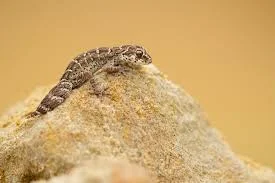 Unlike larger lizards, these tiny desert dwellers are active, quick, and surprisingly entertaining to watch. However, without proper knowledge, beginners often make mistakes in setup, feeding, and care. As a result, their pets may not thrive.
So, this guide is designed to solve that problem. Here, you’ll learn everything about viper gecko care, from habitat setup to feeding and behavior, simply and practically.
Viper Gecko Care Guide (Beginner Basics)
Before diving into details, it’s important to understand why viper geckos are considered one of the best small reptile pets for beginners.
Quick Overview Table
| Feature | Details |
| Size | 4–6 inches |
| Lifespan | 6–10 years |
| Diet | Insect-based |
| Activity | Nocturnal |
| Difficulty Level | Easy |
| Habitat Type | Dry / Desert |
Because of their size and simple needs, they fall into the category of low-maintenance reptiles.
Origin and Natural Environment
Where Do Viper Geckos Live?
In the wild, viper geckos are found in dry regions like:
- Pakistan
- India
- Afghanistan
These areas are hot, dry, and rocky. Therefore, their care is closely related to desert gecko care principles.
Natural Lifestyle
Understanding their natural behavior helps improve care:
- They hide during the day
- They hunt insects at night
- They prefer warm, dry conditions
Because of this, replicating a desert-like setup is essential.
Habitat Setup (Viper Gecko Enclosure Guide)
A proper viper gecko enclosure is the foundation of good care. Without it, even the best diet won’t be enough.
Viper Geckos Tank Size
A common question is: “What is the ideal Viper Gecko tank size?”
- Minimum: 10 gallons
- Recommended: 15–20 gallons
Even though they are small, they are very active. Therefore, more space always improves their quality of life.
Substrate Options
Choosing the right substrate is important:
- Sand (safe reptile sand)
- Sand + soil mix
- Paper towels (easy cleaning)
Avoid unsafe, loose materials to prevent health risks.
Temperature & Heating
Temperature plays a key role in digestion and activity.
- Day: 85–90°F
- Night: 70–75°F
Use:
- Heat mats
- Low-intensity lamps
Consistency is more important than extreme heat.
Do Viper Geckos Need UVB?
Many beginners ask: “Do Viper geckos need UVB?”
- Not mandatory
- But low UVB improves health and activity
Humidity Levels
- Keep humidity low (30–40%)
- Add a small humid hide
This helps with proper shedding.
Decor & Enrichment
To make your enclosure more natural:
- Add rocks and hiding spots
- Include small climbing structures
This encourages natural movement and reduces stress.
Diet & Feeding Guide
What Do Viper Geckos Eat?
If you’re wondering “what do viper geckos eat?”, the answer is simple:
They eat live insects such as:
- Crickets
- Mealworms
- Small roaches
Feeding Routine
- Juveniles: Daily
- Adults: 3–4 times per week
Feeding at night works best because viper geckos are nocturnal.
Supplements
For healthy growth:
- Calcium powder
- Vitamin D3
This prevents common health problems.
Behavior & Temperament
Are Viper Geckos Nocturnal?
Yes, are viper geckos nocturnal? → Absolutely. They are active at night and rest during the day.
Handling Behavior
- Fast and active
- Not ideal for frequent handling
Instead, they are perfect for observation.
Are Viper Geckos Venomous or Poisonous?
Many people ask:
Are viper geckos venomous? → No
Are viper geckos poisonous? → No
They are completely safe pets.
Can Viper Geckos Live Together?
A popular question is: “Can viper geckos live together?”
Yes — They Can Be Communal
- They can live in groups
- Known as the viper gecko’s communal behavior
Important Tips
- Avoid keeping multiple males
- Provide enough space
- Add multiple hiding spots
This prevents stress and aggression.
Size & Growth
How Big Do Viper Geckos Get?
- Average size: 4–6 inches
So, if you’re asking “how big do viper geckos get?”, they remain small and manageable.
Lifespan
How Long Do Viper Geckos Live?
- 6–10 years on average
Proper viper gecko care can increase their lifespan.
Viper Gecko Price & Buying Guide
Viper Geckos Price
If you’re searching for viper gecko for sale or viper geckos for sale, prices usually range from:
- $30 to $100
Buying Tips
- Choose active geckos
- Avoid weak or injured ones
- Buy from trusted breeders
Are Viper Geckos Good Pets?
So, “Are viper geckos good pets?”
Why They Are a Good Choice
- Low maintenance
- Small size
- Ideal for beginners
- Great for observation
Things to Consider
- Not very handleable
- Fast movement
👉 Overall, they are excellent for people looking for low-maintenance reptiles.
Cleaning & Maintenance
Proper cleaning is essential for healthy viper gecko care. A clean enclosure not only prevents disease but also keeps your gecko active and stress-free. Therefore, creating a simple and consistent cleaning routine is very important.
Daily Cleaning Tasks
Every day, you should:
- Remove waste (feces and uneaten insects)
- Check and refill fresh water
- Observe your gecko for any unusual behavior
These small steps help maintain hygiene and prevent bacterial buildup.
Weekly Cleaning Routine
In addition to daily care, you should perform light cleaning once a week:
- Wipe down enclosure surfaces
- Remove dirty substrate spots
- Clean food and water dishes
As a result, your enclosure stays fresh and odor-free.
Monthly Deep Cleaning
A deep clean should be done every 3–4 weeks:
- Remove all substrate
- Clean the tank with reptile-safe disinfectant
- Wash and dry all decorations (rocks, hides, etc.)
- Replace with fresh substrate
However, avoid harsh chemicals because they can harm your gecko.
Cleaning Tips for Beginners
To make cleaning easier:
- Use paper towels for quick maintenance
- Keep a separate cleaning kit for reptiles
- Avoid over-cleaning, as it can stress your pet
By following these steps, you can ensure long-term health and proper viper gecko enclosure hygiene.
Breeding Viper Geckos
Breeding viper geckos is possible with proper care.
- Females lay 1–2 eggs
- Incubation: ~50 days
A healthy diet and correct temperature are key.
Fun Activities & Enrichment
Even though viper geckos are small and low-maintenance, they still need mental stimulation. Without enrichment, they can become inactive or stressed. So, adding simple activities can improve their quality of life.
1. Rearranging the Enclosure
Occasionally changing the layout of rocks and hides:
- Encourages exploration
- Keeps the environment interesting
However, avoid frequent changes that may cause stress.
2. Live Feeding Stimulation
Instead of placing food in one spot:
- Let insects move naturally
- Allow your gecko to hunt
This supports instincts and keeps them active.
3. Adding Climbing Structures
Although they are ground-dwelling, viper geckos still enjoy:
- Small rocks
- Low branches
- Textured surfaces
This improves exercise and movement.
4. Creating Hiding Challenges
You can:
- Place hides in different areas
- Add tunnels or small shelters
As a result, your gecko feels secure while staying engaged.
5. Light Observation Time
Since viper geckos are nocturnal, you can:
- Observe them at night
- Use dim lighting
This allows you to enjoy their natural behavior without disturbing them.
Common Mistakes to Avoid
Many beginners make these mistakes:
- Overfeeding
- Wrong temperature
- Small enclosure
- Poor cleaning routine
Avoiding these ensures better health.
FAQs
1. What do viper geckos eat?
Viper geckos eat small live insects such as crickets, mealworms, and roaches. A varied insect diet with calcium supplements keeps them healthy.
2. How big do viper geckos get?
Viper geckos usually grow to about 4 to 6 inches in length, making them small and easy to manage reptiles.
3. How long do viper geckos live?
With proper care, viper geckos can live between 6 and 10 years in captivity.
4. Are viper geckos good pets for beginners?
Yes, viper geckos are great for beginners because they are low maintenance, small in size, and easy to care for.
5. Are viper geckos nocturnal?
Yes, viper geckos are nocturnal reptiles. They are most active at night and rest during the day.
6. Can viper geckos live together?
Viper geckos can live together in small groups, but it is best to avoid housing multiple males to prevent aggression.
7. Are viper geckos venomous or poisonous?
No, viper geckos are not venomous or poisonous. They are completely harmless to humans.
8. Do viper geckos need UVB lighting?
Viper geckos do not require UVB lighting, but low levels of UVB can improve their overall health and activity.
9. What size tank do viper geckos need?
A 10-gallon tank is the minimum for one viper gecko, but a 15–20-gallon tank is recommended for better space and comfort.
10. How much do viper geckos cost?
Viper geckos typically cost between $30 and $100, depending on age, availability, and breeder quality.
Final Thoughts
The viper gecko is one of the most interesting and beginner-friendly reptiles you can own. Because of its small size, simple care needs, and unique behavior, it fits perfectly into the category of small reptile pets for beginners. With the right viper gecko enclosure, proper feeding, and consistent care routine, these geckos can live a long and healthy life.
Moreover, their active and curious nature makes them enjoyable to watch every day. So, whether you’re researching or planning to buy a viper gecko for sale, this guide gives you everything you need to start confidently.
I’ve created helpful guides in the Birds category on Petstdigo, featuring posts in Care, Cleaning, and Fun Activities. These guides share practical tips on grooming, skin and coat health, bathing routines, nutrition, playtime ideas, and calming solutions to keep your pets happy and healthy. Explore these pages for easy-to-follow advice and insights to support your pet’s overall well-being.