
The ackie monitor lizard is not just another reptile — it is one of the most intelligent and active pet lizards you can keep. In fact, many reptile owners say that an ackie monitor lizard behaves more like a curious pet than a typical reptile.
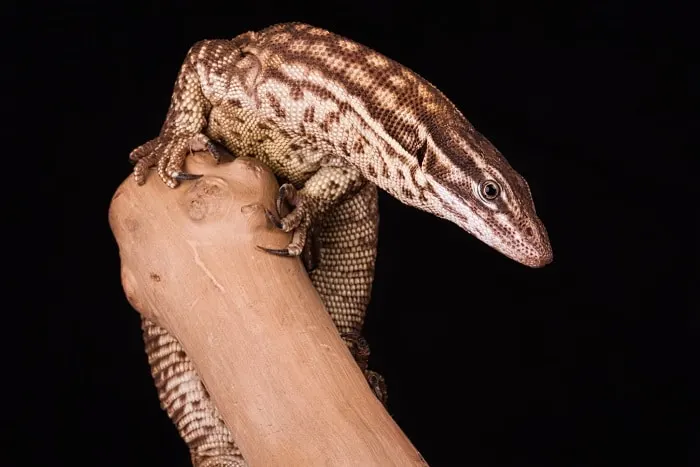 If you are thinking about getting an ackie monitor lizard, you need to know one thing first. This is not a low-maintenance pet. However, with the right ackie monitor care, proper setup, and correct diet, it can become one of the most rewarding reptiles to own.
In this complete guide, you will learn everything about ackie monitor lizard care, setup, diet, behavior, and real-life tips that most beginners don’t know.
What Is an Ackie Monitor Lizard?
The ackie monitor lizard (scientific name: Varanus acanthurus) is a small but powerful reptile from Australia. It belongs to the monitor lizard family but is much easier to manage compared to larger species.
Unlike many reptiles, ackie monitor lizards are extremely active and intelligent. They love to explore, dig, and observe their surroundings.
Quick Facts
- Common name: Ackie monitor
- Type: Ackie dwarf monitor lizard
- Average ackie monitor size: 2–3 feet
- Lifespan: 15–20 years
- Behavior: Curious, alert, active
Origin, Where Do They Live, and Natural Habitat
The ackie monitor lizard comes from the dry regions of Australia. These reptiles naturally live in:
- Rocky deserts
- Dry woodlands
- Underground burrows
Habitat Behavior
In the wild, ackie monitors spend most of their time:
- Digging deep burrows
- Hiding under rocks
- Basking in strong sunlight
Many owners notice that their ackie monitor will constantly dig. This is completely natural and should be supported in captivity.
Ackie Monitor Size Growth and Types
Understanding the size of the ackie monitor lizard helps you prepare better.
Growth Chart
| Stage | Size |
| Baby ackie monitor lizard | 6–10 inches |
| Juvenile | 1–1.5 feet |
| Full-grown ackie monitor lizard | 2–3 feet |
Types
- Red ackie monitor lizard
- Yellow ackie monitor lizard
- Rare black ackie monitor lizard
The red ackie monitor lizard is the most popular choice for beginners.
Ackie Monitor Lifespan and Long-Term Commitment
The ackie monitor lizard’s lifespan ranges from 15 to 20 years.
This means:
- It is a long-term responsibility
- Not a temporary pet
In my experience, people often underestimate this commitment.
Ackie Monitor Care Guide
Proper ackie monitor care is the key to a healthy reptile.
Temperature Setup
- Basking spot: 120–150°F
- Cool side: 75–85°F
Most beginners struggle with heating. If the temperature is wrong, your lizard will stop eating.
Lighting
- UVB light is ضروری
- Helps prevent bone disease
Humidity
- Low humidity overall
- Moist substrate for digging
Handling Guide
Handling an ackie monitor lizard requires patience.
Real tip:
Many owners notice that forcing handling makes them aggressive.
Instead:
- Start with short sessions
- Let the lizard come to you
- Use food to build trust
Ackie Monitor Enclosure Setup for Beginners
A proper ackie monitor enclosure is the most important part of care.
Ackie Monitor Enclosure Size
| Type | Size |
| Juvenile | 3x2x2 feet |
| Adult | 4x2x2 feet minimum |
Bigger enclosure = healthier and happier lizard
Setup Essentials
- Deep substrate (6–12 inches)
- Rocks and hides
- Climbing areas
- Strong heat lamp
- UVB lighting
The ackie monitor cage should allow natural digging behavior.
Ackie Monitor Diet and Feeding Guide
The ackie monitor lizard’s diet is mainly insect-based.
Food List
- Crickets
- Dubia roaches
- Mealworms
- Eggs (occasionally)
Feeding Routine
- Baby: Daily feeding
- Adult: 3–4 times weekly
Supplements
- Calcium powder
- Vitamin D3
Most beginners make the mistake of skipping supplements.
Real Life Care Tips
Here are some real-world tips based on experience:
- Many ackie monitor lizards refuse food if stressed
- They need time to adjust to a new home
- Overfeeding causes obesity quickly
In my experience, consistency is more important than perfection.
Common Beginner Mistakes to Avoid
- Small enclosure
- No UVB light
- Poor diet
- No enrichment
- Wrong temperature
These mistakes are the main reason most ackie monitors get sick.
Daily Routine Checklist (Highly Important)
Morning
- Check temperature
- Turn on lights
Afternoon
- Feed (if scheduled)
- Observe behavior
Evening
- Clean waste
- Light interaction
This simple routine dramatically improves your ackie monitor care.
Ackie Monitor Behavior Explained
Understanding behavior is very important.
Common Behaviors
- Digging → natural instinct
- Staring → observing surroundings
- Running fast → high energy
Many beginners think their ackie monitor lizard is aggressive, but it is usually just curious.
Ackie Monitor as a Pet
Is the Ackie Monitor Lizard a Good Pet? Yes, but not for everyone.
Pros
- Intelligent
- Interactive
- Active
Cons
- Needs effort
- Expensive setup
- Not beginner-friendly
Final verdict:
Better for intermediate keepers
Ackie Monitor Price and Availability
Search trends include:
- ackie monitor lizard for sale
- ackie monitor for sale
- baby ackie monitor lizard for sale
- red ackie monitor lizard for sale
Price
$200 to $800
Always buy from a trusted breeder.
Comparison Ackie Monitor vs Bearded Dragon
| Feature | Ackie Monitor | Bearded Dragon |
| Activity | Very active | Calm |
| Intelligence | High | Medium |
| Care level | Medium–Hard | Easy |
| Beginner friendly | No | Yes |
Ackie Monitor Cleaning and Maintenance Guide
Keeping your ackie monitor lizard healthy is not only about feeding and setup, but also about proper cleaning and hygiene. A clean environment directly affects their health, behavior, and lifespan.
Daily Cleaning Tasks
- Remove uneaten food immediately
- Clean visible waste from the enclosure
- Check the water bowl and refill with fresh water
Weekly Cleaning Tasks
- Wipe down enclosure surfaces
- Spot-clean the substrate in dirty areas
- Check heating and lighting equipment
Monthly Deep Cleaning
- Replace or refresh substrate if needed
- Disinfect enclosure safely (reptile-safe products only)
- Clean all hides, rocks, and decorations
Important Tips
- Never use strong chemical cleaners
- Always ensure the enclosure is fully dry before placing your lizard back
- A clean ackie monitor enclosure helps prevent bacteria, parasites, and stress
In simple terms, a consistent cleaning routine keeps your ackie monitor active, healthy, and stress-free for years.
Fun Activities and Enrichment for Ackie Monitor Lizard
An ackie monitor lizard is highly intelligent and active, so it needs daily mental and physical stimulation. Without enrichment, it can become bored or stressed.
Digging and Burrowing Areas
- Provide a deep substrate for digging
- Allow natural burrow-building behavior
- This is one of their favorite activities
Feeding Enrichment
- Use tongs to simulate hunting
- Hide insects in different areas of the enclosure
- Encourage natural foraging behavior
Climbing and Exploration
- Add rocks, branches, and hides
- Create a natural environment layout
- Change enclosure layout occasionally to keep it interesting
Interaction Time
- Gentle handling sessions (short and calm)
- Let the lizard explore outside the enclosure safely
- Build trust slowly over time
Many owners notice that a well-enriched ackie monitor becomes more active, alert, and easier to handle.
FAQs
1. Are ackies good pets?
Yes, ackie monitor lizards can be good pets for experienced reptile keepers. They are intelligent, active, and curious, but they require proper care, a large enclosure, and a controlled environment. Beginners may find them challenging due to their specific heat, diet, and setup needs.
2. How big do ackie monitor lizards get?
Ackie monitor lizards usually grow between 2 and 3 feet in length when fully grown. Their size is smaller compared to other monitor species, which makes them more manageable as pets with a proper setup.
3. Can lizards hear human sounds?
Yes, lizards, including ackie monitor lizards, can hear sounds, but not in the same way humans do. They are more sensitive to vibrations and low-frequency sounds rather than clear spoken words.
4. What do ackie monitor lizards eat?
Ackie monitor lizards mainly eat insects such as crickets, roaches, and mealworms. Occasionally, they may eat eggs or small amounts of protein-based food. A calcium and vitamin supplement is also important.
5. How long do ackie monitor lizards live?
With proper care, ackie monitor lizards can live around 15 to 20 years in captivity. Their lifespan depends on diet, enclosure setup, and overall health management.
6. What size tank does an ackie monitor need?
An adult ackie monitor lizard needs at least a 4x2x2 feet enclosure, but a larger space is always better. They require a deep substrate for digging, proper heating, and UVB lighting.
7. Are ackie monitor lizards aggressive?
No, ackie monitor lizards are not naturally aggressive. However, they may become defensive if they feel stressed or threatened. With regular handling and proper care, they usually become calm and curious.
8. How much does an ackie monitor lizard cost?
The price of an ackie monitor lizard usually ranges between $200 to $800, depending on age, color variation, and breeder. Rare morphs like red ackie monitor lizards may cost more.
9. Do ackie monitor lizards need UVB light?
Yes, UVB lighting is essential for ackie monitor lizards. It helps them process calcium and prevents health issues like metabolic bone disease.
10. Where do ackie monitor lizards live in the wild?
Ackie monitor lizards are native to Australia. They live in dry, rocky, and desert-like environments where they dig burrows and stay active during warm daylight hours.
Final Thoughts
The ackie monitor lizard is one of the best reptiles for experienced keepers. It is active, intelligent, and highly rewarding. However, it requires proper ackie monitor care, enclosure setup, and diet planning. If you are ready for the responsibility, this reptile can become an amazing long-term pet.
I’ve created helpful guides in the Birds category on Petstdigo, featuring posts in Care, Cleaning, and Fun Activities. These guides share practical tips on grooming, skin and coat health, bathing routines, nutrition, playtime ideas, and calming solutions to keep your pets happy and healthy. Explore these pages for easy-to-follow advice and insights to support your pet’s overall well-being.