
Are you thinking about keeping a Spiny Mouse as a pet, but don’t know where to start? You’re not alone. Many beginners feel confused when they first discover this unusual rodent. It looks like a mouse, but in reality, it behaves very differently.
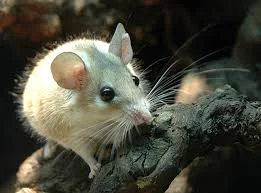 The Spiny Mouse is a small exotic rodent known for its rough, spiky fur and highly active nature. Unlike regular mice, it belongs to the Acomys group and includes species like the African spiny mouse, Egyptian spiny mouse (Cairo spiny mouse), and golden spiny mouse.
These animals are not unique in appearance but are also famous for rare biological traits, such as spiny mouse skin regeneration and even a spiny mouse menstrual cycle.
In fact, the spiny mouse period is one of the only known menstruation cycles in rodents, which makes this animal very important in scientific research. Because of these rare traits, interest in the spiny mouse pet has increased significantly.
However, owning one is not as simple as keeping a regular mouse. Therefore, before bringing one home, it is important to fully understand its care, diet, and habitat needs.
Spiny Mouse Pet Care Guide for Beginners
If you want to know how to care for a spiny mouse, you must focus on proper setup, social needs, and daily care. These animals are active, intelligent, and social, which means they require attention and planning.
Social Needs and Group Living
First of all, spiny mice should never be kept alone. In the wild, they live in groups. Therefore, keeping at least 2 to 4 mice together is essential. A lonely mouse may become stressed, inactive, or even aggressive.
Many experienced owners report that group living improves:
- Activity levels
- Natural behavior
- Mental health
Handling and Interaction
Handling a spiny mouse pet requires patience. These animals are not naturally cuddly, so forcing interaction can stress them.
In my experience, the best way to build trust is:
- Letting them approach you first
- Using slow and gentle movements
- Offering food from your hand
Never grab them suddenly. Also, avoid holding their tail because the spiny mouse tail is delicate and can shed as a defense mechanism.
Origin and Species Details
The spiny mouse is native to warm regions across Africa, the Middle East, and parts of Europe and Asia.
Major Species Explained:
- African spiny mouse – Most common species, widely studied
- Egyptian spiny mouse (Cairo spiny mouse) – Popular in research
- Golden spiny mouse – Found in desert areas
- Cretan spiny mouse – Native to the island of Crete
- Cyprus spiny mouse – Found in Cyprus
- Arabian spiny mouse – Lives in desert regions
- Cape spiny mouse – Found in southern Africa
- Turkish spiny mouse – Native to Turkey
Although names like spiny tree mouse, spiny tailed mouse, and spiny pocket mouse sound similar, they belong to different families.
Where Do Spiny Mice Live?
In the wild, spiny mice survive in harsh environments. They are adapted to hot, dry climates and can tolerate conditions that many small animals cannot.
Natural Living Conditions:
- Deserts with limited water
- Rocky hills with hiding spots
- Sparse vegetation areas
- Warm climates
Because of these conditions, they are excellent climbers and fast runners. They also hide during the day and become active at night.
Spiny Mouse Habitat and Cage Setup
Creating the right spiny mouse cage setup is essential for their health and happiness.
Detailed Cage Setup Table
| Feature | Recommended Setup | Why It Matters |
| Cage Size | 20–30 gallons or bigger | Allows movement and social interaction |
| Bedding | Aspen or paper bedding | Safe and absorbent |
| Temperature | 22–28°C | Matches natural habitat |
| Hideouts | Wood houses, rocks | Reduces stress |
| Enrichment | Wheels, tunnels | Prevents boredom |
Expert Setup Tips
In my experience, adding natural elements like stones and branches helps them feel safe. Many owners report that mice become more active when their environment is enriched.
Also:
- Avoid plastic items that can be chewed
- Ensure good ventilation
- Keep the cage in a quiet area
Spiny Mouse Lifespan
The spiny mouse’s lifespan depends heavily on care.
Lifespan Breakdown:
- Wild: 2–3 years
- Captivity: 3–5 years
Factors That Affect Lifespan:
- Diet quality
- Clean environment
- Stress levels
- Social interaction
With proper care, they can live a healthy and active life.
Spiny Mouse Diet and Food
A proper diet is essential for growth and energy.
Daily Diet Plan:
Base Diet:
- High-quality rodent pellets
Add-ons:
- Seeds and grains
- Fresh vegetables (carrots, spinach)
- Small fruits
Protein:
- Mealworms
- Insects
Foods to Avoid
Avoid:
- Sugary treats
- Junk food
- Citrus fruits
- Toxic plants
Many beginners make the mistake of feeding too much fruit. However, excess sugar can harm their health.
Unique Traits (Deep Explanation)
Spiny Mouse Regeneration
The spiny mouse’s regeneration ability allows them to heal wounds quickly. Unlike other mammals, they can regrow skin without scars.
Why It Matters:
Scientists study this ability to understand human healing.
Spiny Mouse Menstruation
The spiny mouse’s menstrual cycle is extremely rare. It closely resembles the human cycle, which makes it unique among rodents.
Skin and Tail
- The spiny mouse tail can detach under stress
- Spiny mouse shedding skin is a defense mechanism
Are Spiny Mice Good Pets?
Many people ask, are spiny mice friendly?
Advantages:
- Unique and interesting
- Active and entertaining
- Social animals
Disadvantages:
- Not cuddly
- Can be shy
- Need proper care
Final Opinion:
In my experience, they are great for people who enjoy observing animals rather than handling them.
Cleaning and Maintenance
Keeping the cage clean is very important.
Cleaning Schedule:
Daily:
- Remove waste
- Check food and water
Weekly:
- Replace bedding
Monthly:
- Deep-clean the cage
Cleaning Tips:
- Use mild cleaners
- Avoid strong chemicals
- Keep food areas clean
Fun Activities and Enrichment
Spiny mice need mental stimulation.
Activities:
- Running wheels
- Climbing setups
- Tunnels
- Foraging games
These activities help prevent boredom and improve health.
Cost of Owning a Spiny Mouse
Initial Costs:
- Cage: $50–$150
- Accessories:$30–$80
Monthly Prices:
- Food: $10–$20
- Bedding: $10–$15
Daily Routine
Morning:
- Check water
- Observe activity
Evening:
- Feed fresh food
- Playtime
Common Mistakes to Avoid (Important)
- Keeping them alone
- Poor diet
- Small cages
- Rough handling
Avoiding these mistakes improves their quality of life.
Health Issues
Common Problems:
- Skin injuries
- Respiratory infections
Stress Early care is very important.
FAQs
1. What is a Spiny Mouse?
A Spiny Mouse is a small exotic rodent known for its rough, spiky fur and unique biology. It belongs to the Acomys species and is found mainly in Africa and the Middle East.
2. Can spiny mice regenerate limbs?
No, spiny mice cannot fully regenerate limbs. However, they can regenerate skin, hair follicles, and some tissues without scarring, which is very rare in mammals.
3. Do spiny mice menstruate?
Yes, spiny mice are one of the very few mammals that show a true menstrual cycle similar to humans. This makes them highly important in scientific research.
4. Are spiny mice good pets?
Spiny mice can be good pets for experienced owners. They are active and social, but not very cuddly or easy for beginners.
5. How long do spiny mice live?
Spiny mice usually live 3 to 5 years in captivity if they are given proper care, diet, and a clean environment.
6. What do spiny mice eat?
They eat seeds, grains, vegetables, fruits (in small amounts), and protein sources like insects and mealworms.
7. Can spiny mice live alone?
No, spiny mice should not live alone. They are social animals and need to live in groups of at least 2–4 for mental and physical health.
8. Do spiny mice bite?
Spiny mice rarely bite if handled gently. However, they may bite if they feel scared, stressed, or threatened.
9. Where do spiny mice live in the wild?
They live in dry, rocky, and desert-like areas of Africa, the Middle East, and some parts of Europe and Asia.
10. How big do spiny mice get?
Spiny mice are small rodents that usually grow around 10–12 cm in body length, with a lightweight body and delicate structure.
Final Thoughts
The Spiny Mouse is one of the most unique exotic pets available. From its rare spiny mouse skin regeneration ability to its active personality, it offers a completely different pet experience.
However, it requires proper care, patience, and understanding. If you are ready to provide the right environment, this animal can be a fascinating and rewarding companion.
I’ve created helpful guides in the Birds category on Petstdigo, featuring posts in Care, Cleaning, and Fun Activities. These guides share practical tips on grooming, skin and coat health, bathing routines, nutrition, playtime ideas, and calming solutions to keep your pets happy and healthy. Explore these pages for easy-to-follow advice and insights to support your pet’s overall well-being.