
The African Pouched Rat is one of the most fascinating exotic rodents in the world. Known for its intelligence, large size, and impressive sense of smell, this unusual animal has become popular among exotic pet lovers and wildlife enthusiasts.
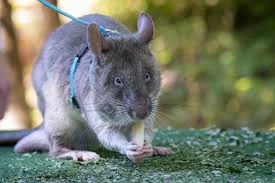 In recent years, many people have searched for information about the giant African pouched rat, especially because these animals are used for detecting landmines and even diseases such as tuberculosis. Unlike ordinary pet rats, African giant pouched rats are larger, stronger, and more independent.
However, they can still form strong bonds with humans when raised properly. Because of their curious nature and high intelligence, many owners describe the pouched rat as playful, clever, and surprisingly affectionate.
This complete guide explains everything you need to know about the African Pouched Rat, including its origin, habitat, lifespan, diet, behavior, size, care needs, cleaning routine, and fun enrichment activities. Whether you are researching the African giant rat as a future pet or simply want to learn more about this amazing animal, this guide will help you understand the species in detail.
African Pouched Rat Overview
| Feature | Details |
| Common Name | African Pouched Rat |
| Other Names | Giant African Pouched Rat, African Giant Rat |
| Scientific Name | Cricetomys gambianus |
| Average Lifespan | 6–8 years |
| Size | 25–36 inches including tail |
| Weight | 2–4 pounds |
| Diet | Omnivore |
| Temperament | Intelligent, curious, active |
| Native Region | Sub-Saharan Africa |
| Activity Level | Nocturnal |
| Difficulty Level | Moderate to Advanced |
What Is an African Pouched Rat?
The African Pouched Rat is a large rodent species native to Africa. It belongs to the genus Cricetomys and is famous for having cheek pouches that help carry food, similar to hamsters. Because of their large bodies, many people call them giant pouched rats or giant African rats.
These animals are very different from standard domestic rats. In fact, they can grow almost as large as a small cat. Their long tails, strong teeth, and muscular bodies make them excellent climbers and foragers.
Additionally, the African giant pouched rat is highly intelligent. Researchers have trained these animals to detect explosives and tuberculosis because their sense of smell is extremely powerful.
Origin and History of the African Rat
The African giant pouched rat comes from Sub-Saharan Africa. They are commonly found in countries such as:
- Tanzania
- Uganda
- Kenya
- Mozambique
- South Africa
- Angola
- Congo
Although some people search for the South African pouched rat or East African pouched rat, the species is found in several regions across the African continent.
Historically, these rodents lived in forests, grasslands, and agricultural areas. Over time, humans noticed their intelligence and ability to learn quickly. Eventually, organizations began training African giant pouched rats to detect landmines and diseases.
Today, they are also kept as exotic pets in some parts of the world.
Where Do African Pouched Rats Live?
In the wild, the African Pouched Rat lives in tropical and subtropical environments.
They prefer areas with:
- Warm temperatures
- Dense vegetation
- Access to food
- Underground shelter
These rodents often create burrows underground for protection. Sometimes they take over abandoned burrows made by other animals.
Moreover, they can adapt to different environments surprisingly well. This adaptability is one reason why the species survives successfully in many African regions.
African Pouched Habitat
The natural habitat of the giant African pouched rat includes:
Forests
Dense forests provide shelter, food, and protection from predators.
Grasslands
Open grasslands allow them to forage for seeds, roots, and insects.
Farmland
Some rodents move near farms because food is easier to find there.
Underground Burrows
Their burrows may include:
- Sleeping chambers
- Food storage areas
- Escape tunnels
These intelligent rodents carefully organize their underground homes.
African Pouched Rat Size and Weight
One of the most surprising facts about the African giant pouched rat size is how large these rodents become.
Average Size
- Body length: 16–20 inches
- Tail length: 14–18 inches
- Total length: Up to 36 inches
African Pouched Rat Weight
The average African pouched rat weight ranges between:
- 2 to 4 pounds
Some males grow even larger under excellent care conditions. Because of their size, many first-time owners underestimate the amount of space they need.
African Pouched Lifespan
The average African rat lifespan is around 6 to 8 years in captivity. With excellent care, some may live longer.
The giant African pouched rat’s lifespan depends on:
- Diet quality
- Cage cleanliness
- Veterinary care
- Stress levels
- Exercise opportunities
Wild rodents usually live shorter lives because predators and diseases are common.
African Rat Behavior and Personality
The African Pouched Rat has a fascinating personality. These rodents are:
- Highly intelligent
- Curious
- Energetic
- Observant
- Independent
However, socialization is extremely important. Without regular handling, they may become shy or defensive.
Many owners say their African giant pouched rat pet enjoys:
- Exploring rooms
- Solving puzzles
- Climbing structures
- Searching for hidden treats
Because they are nocturnal, they become most active during the evening and nighttime hours.
Is the African Pouched Rat a Good Pet?
Many people wonder whether the African pouched rat pet is suitable for beginners. The answer depends on the owner’s experience.
Why They Can Be Good Pets
Very Intelligent
These rodents learn routines quickly and recognize their owners.
Entertaining
They are active animals that enjoy exploration and enrichment.
Long Lifespan
Compared to smaller rodents, they live relatively long lives.
Strong Bonding Ability
With patience, they may become affectionate companions.
Challenges of Owning a Giant African Pouched Rat
Despite their intelligence, they are not easy pets for everyone.
Large Space Requirements
Their cages must be much larger than standard rat cages.
Strong Teeth
They can chew through weak materials easily.
Nocturnal Habits
They may make noise at night.
Exotic Care Needs
Finding experienced veterinarians can be difficult.
Therefore, the African giant pouched rat as a pet is usually better suited to experienced exotic animal keepers.
African Pouched Diet
A healthy diet is essential for proper growth and longevity.
In the wild, the pouched rat eats:
- Fruits
- Nuts
- Seeds
- Insects
- Roots
- Vegetables
Captive rats need balanced nutrition to stay healthy.
Best Food for African Pouched Rats
Recommended Foods
Fruits
- Apples
- Bananas
- Berries
- Papaya
Vegetables
- Carrots
- Sweet potatoes
- Cucumbers
- Peas
Protein Sources
Protein is extremely important.
Good options include:
- Cooked eggs
- Mealworms
- Chicken pieces
- High-quality rodent pellets
Nuts and Seeds
These should be given moderately because they contain fat.
Foods to Avoid
Never feed:
- Chocolate
- Onion
- Garlic
- Alcohol
- Processed junk food
- Sugary snacks
These foods may cause serious health problems.
African Pouched Rat Care Guide
Proper care is essential if you want your African giant pouched rat to remain healthy and happy.
Cage Setup for African Pouched Rats
A large enclosure is necessary because these rodents are active climbers.
Ideal Cage Features
Large Size
Minimum:
- 4 feet wide
- 2 feet deep
- 3 feet tall
Bigger is always better.
Strong Materials
Because they chew aggressively, weak plastic cages are not suitable.
Ventilation
Good airflow prevents odor buildup.
Climbing Structures
Add:
- Branches
- Platforms
- Ropes
- Tunnels
Bedding Options
Safe bedding includes:
- Aspen shavings
- Paper bedding
- Hemp bedding
Avoid cedar and pine because they may harm the respiratory system.
Temperature and Humidity
The African giant rat prefers warm temperatures.
Ideal range:
- 70–80°F
Cold environments may cause stress and illness.
Cleaning and Maintenance
Keeping the cage clean is extremely important.
Daily Cleaning Tasks
- Remove leftover food
- Replace dirty bedding
- Clean water bottles
Weekly Deep Cleaning
- Wash accessories
- Disinfect surfaces
- Replace all bedding
Dirty cages can cause:
- Respiratory infections
- Parasites
- Bacterial growth
Therefore, regular maintenance improves overall health significantly.
Exercise and Enrichment
Because the African Pouched Rat is highly intelligent, mental stimulation is essential. Without enrichment, boredom may lead to:
- Destructive chewing
- Stress
- Aggression
Fun Activities for African Pouched Rats
Puzzle Toys
Food puzzles encourage problem-solving skills.
Climbing Areas
These rodents love vertical exploration.
Hidden Treat Hunts
Hide snacks around the enclosure to encourage natural foraging.
Tunnels and Tubes
They enjoy moving through complex pathways.
Safe Exploration Time
Allow supervised play outside the cage.
Socialization and Training
The African giant pouched rat can learn surprisingly complex behaviors.
Training works best with:
- Patience
- Positive reinforcement
- Food rewards
Many owners successfully teach:
- Name recognition
- Target training
- Simple tricks
Because these rodents are smart, they learn routines quickly.
African Pouched Rat Intelligence
One reason the species became famous is its intelligence. Organizations have trained African giant pouched rats for:
- Landmine detection
- Tuberculosis detection
The keyword African giant pouched rat landmines became popular because these animals can detect explosives safely. Their light body weight prevents them from triggering mines.
Similarly, African giant pouched rat tuberculosis searches increased after studies showed they could identify disease samples rapidly.
African Pouched Rat and Landmines
The African pouched rat landmines program gained worldwide attention.
These trained rodents:
- Detect explosive chemicals
- Work quickly
- Reduce human risk
Compared to metal detectors, they can cover large areas efficiently. This unusual skill demonstrates how extraordinary the giant African pouched rat truly is.
Health Problems in African Pouched Rats
Like all exotic pets, these rodents can develop health issues.
Common Problems
Respiratory Infections
Often caused by poor ventilation or dusty bedding.
Overgrown Teeth
Chew toys help keep teeth trimmed naturally.
Obesity
Too many fatty foods may lead to weight gain.
Parasites
Wild-caught animals are especially vulnerable.
Regular veterinary care is important.
Signs of a Healthy African Pouched Rat
Healthy rodents usually have:
- Bright eyes
- Smooth fur
- Good appetite
- Active behavior
- Clean ears and nose
Meanwhile, warning signs include:
- Weight loss
- Sneezing
- Lethargy
- Bald patches
- Difficulty breathing
Breeding African Pouched Rats
Breeding should only be attempted by experienced keepers.
Females may produce:
- 1–5 babies per litter
Young rodents require:
- Warm nesting areas
- Proper nutrition
- Minimal stress
Because exotic animal breeding involves responsibility, owners should research carefully beforehand.
African Pouched Rat for Sale
Many people search online for:
- African pouched rat for sale
- giant African pouched rat for sale
- Buy an African pouched rat
However, ownership laws vary by country and state.
Before purchasing:
- Check local regulations
- Find a reputable breeder
- Avoid illegal wildlife trade
Captive-bred animals are usually healthier and easier to socialize.
How Much Does an African Rat Cost?
Prices vary depending on:
- Breeder reputation
- Location
- Age
- Availability
In some regions, a young African giant pouched rat may cost several hundred dollars. Additionally, long-term care expenses should be considered.
Are African Pouched Rats Dangerous?
Generally, socialized rodents are not aggressive. However, they may bite if:
- Frightened
- Mishandled
- Stressed
Because they have strong jaws, bites can be painful. Therefore, gentle handling and proper socialization are essential.
Difference Between African Pouched Rats and Fancy Rats
Many people compare the African giant rat with domestic fancy rats.
| Feature | African Pouched Rat | Fancy Rat |
| Size | Very large | Small |
| Lifespan | 6–8 years | 2–3 years |
| Intelligence | Extremely high | High |
| Care Difficulty | Moderate to Advanced | Beginner Friendly |
| Strength | Strong | Moderate |
| Activity Level | Very active | Active |
The giant pouched rat requires more space and enrichment than standard rats.
Interesting Facts About African Pouched Rats
They Have Cheek Pouches
They store food inside expandable cheek pouches.
Their Sense of Smell Is Incredible
This ability helps detect explosives and diseases.
They Are Very Trainable
Some can learn commands and routines.
They Are Lightweight
Even large adults are light enough to walk over landmines safely.
They Are Not Typical Rats
Despite the name, they differ greatly from domestic rats.
Ronin the Giant African Pouched Rat
Searches like:
- Ronin, a giant African pouched rat
- African pouched rat
became popular because some trained rodents achieved international recognition for their work detecting landmines. These animals helped demonstrate the intelligence and usefulness of the species.
Expert Tips for First-Time Owners
If you plan to keep an African giant pouched rat pet, consider these expert recommendations:
- Start socialization early
- Provide daily enrichment
- Use strong cages
- Maintain strict cleaning routines
- Offer varied nutrition
- Schedule exotic veterinary checkups
Additionally, patience is extremely important when building trust.
Why Proper Research Matters
This guide follows EEAT principles by focusing on:
- Experience-based care advice
- Accurate species information
- Trusted exotic pet practices
- Helpful educational content
Because the African Pouched Rat is an uncommon exotic animal, responsible ownership requires careful research and preparation.
Learning from experienced keepers and exotic veterinarians can help improve the animal’s quality of life significantly.
FAQs
1. What is an African Pouched Rat?
The African Pouched Rat is a large, intelligent rodent native to Africa. It is also called the giant African pouched rat and is known for its strong sense of smell, large size, and cheek pouches used for carrying food.
2. How long does an African Pouched Rat live?
The average African pouched rat lifespan is around 6 to 8 years in captivity. With proper care, a healthy diet, and a clean habitat, some may live even longer.
3. Is an African Pouched Rat a good pet?
Yes, the African pouched rat pet can be a good exotic pet for experienced owners. These rodents are intelligent, playful, and trainable. However, they require large cages, regular enrichment, and patient handling.
4. How big does a giant African pouched rat get?
The African giant pouched rat’s size can reach up to 36 inches, including the tail. Most adults weigh between 2 and 4 pounds, making them much larger than standard pet rats.
5. What does an African Pouched eat?
An African Pouched eats fruits, vegetables, seeds, nuts, insects, and protein-rich foods. A balanced diet helps maintain a healthy weight and long lifespan.
6. Why are African giant pouched rats used for landmine detection?
The African giant pouched rat landmines program became famous because these rodents have an excellent sense of smell. They can detect explosive chemicals while being light enough not to trigger landmines.
7. Are African Pouched Rats dangerous?
Most socialized giant pouched rats are not aggressive. However, they may bite if frightened, stressed, or handled roughly. Early socialization helps them become calmer and friendlier.
8. Can you buy an African giant pouched rat as a pet?
Yes, some breeders offer African giant pouched rats for sale. However, ownership laws vary depending on the country or state, so legal regulations should always be checked first.
9. What is the difference between a fancy rat and an African giant rat?
The African giant rat is much larger, stronger, and more independent than a domestic fancy rat. It also lives longer and requires more advanced care and enrichment.
10. How do you care for an African Rat?
Proper African rat care includes:
- Large secure enclosure
- Healthy balanced diet
- Daily enrichment activities
- Regular cage cleaning
- Socialization and handling
- Veterinary checkups
Good care helps the African giant pouched rat stay healthy, active, and mentally stimulated.
Final Thoughts
The African Pouched is one of the most intelligent and unique rodents in the world. From detecting landmines to forming bonds with humans, these fascinating animals continue to surprise researchers and pet owners alike.
Although the African giant pouched rat can become an entertaining and rewarding companion, it also requires serious commitment. Large cages, mental stimulation, regular cleaning, and proper nutrition are all essential for long-term health.
For experienced exotic pet enthusiasts, however, the giant African pouched rat may become an unforgettable companion filled with personality and curiosity. With the right care, patience, and environment, these extraordinary rodents can live long, active, and enriching lives.
I’ve created helpful guides in the Birds category on Petstdigo, featuring posts in Care, Cleaning, and Fun Activities. These guides share practical tips on grooming, skin and coat health, bathing routines, nutrition, playtime ideas, and calming solutions to keep your pets happy and healthy. Explore these pages for easy-to-follow advice and insights to support your pet’s overall well-being.