
The Indian Giant Squirrel is one of the most colorful and fascinating tree squirrels in the world. Unlike common squirrels that many people see in parks and gardens, this rare animal is much larger, more active, and incredibly beautiful. Because of its unique appearance, many wildlife lovers search for information about indian giant squirrel, their habitat, food, lifespan, and behavior.
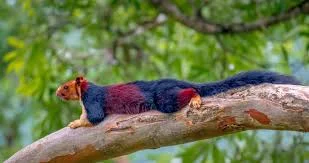 Interestingly, the giant indian squirrel is famous for its bright fur colors, long tail, and impressive jumping ability. Moreover, this squirrel spends most of its life high in the forest canopy. As a result, spotting one in the wild is considered very special.
In recent years, searches for terms like indian squirrel size, indian giant squirrel size comparison, and is indian squirrel endangered have increased rapidly. Therefore, people around the world are becoming more curious about this amazing forest animal.
This detailed guide explains everything you need to know about the Indian Giant Squirrel, including its origin, habitat, food, care, lifespan, predators, behavior, conservation status, and many interesting facts. Furthermore, this article is written in easy English, so beginners can understand every detail comfortably.
Indian Giant Squirrel Overview
The Indian Giant Squirrel, also known as the Malabar Indian Giant Squirrel, is a giant tree squirrel native to India. In fact, it is one of the largest squirrel species on Earth. Its scientific name is Ratufa indica.
Unlike smaller squirrels, this species has a very colorful coat. Some squirrels show shades of red, cream, purple, black, brown, and orange on their body. Because of these unique colors, wildlife photographers love capturing images of this animal.
Additionally, the giant squirrel species of India is highly skilled at climbing trees. It can jump large distances between branches without touching the ground.
Quick Facts Table
| Feature | Details |
| Common Name | Indian Giant Squirrel |
| Other Names | Malabar Indian Giant Squirrel, Giant Indian Squirrel |
| Scientific Name | Ratufa indica |
| Animal Type | Tree Squirrel |
| Origin | India |
| Habitat | Tropical forests and woodlands |
| Lifespan | 10–20 years |
| Diet | Fruits, nuts, flowers, bark, insects |
| Size | Up to 3 feet, including tail |
| Weight | 1.5–2 kg |
| Predators | Eagles, leopards, snakes |
| Conservation Status | Least Concern but locally threatened |
Indian Giant Squirrel Origin and History
The Indian Giant Squirrel originated in the forests of India thousands of years ago. It belongs to the squirrel family called Sciuridae. Scientists believe these squirrels adapted over time to survive in dense forests with tall trees.
Moreover, the indian giant squirrel’s common name comes from its large body size and its presence in India. The word “Malabar” refers to the Malabar Coast region in southwestern India, where many of these squirrels are found.
Historically, local people admired these squirrels because of their beautiful appearance. In some regions, they are even considered symbols of healthy forests. Today, the indian malabar giant squirrel is protected in many wildlife reserves and national parks.
Where Do Indian Giant Squirrels Live?
Many people ask where the indian giant squirrel is found in nature. These squirrels mainly live in India’s forests. However, they are most commonly seen in central and southern India.
Common Locations
- Maharashtra
- Kerala
- Karnataka
- Tamil Nadu
- Goa
- Madhya Pradesh
Additionally, these squirrels prefer areas with tall trees because they rarely come down to the ground.
Forest Regions They Prefer
The squirrel India species mainly lives in:
- Tropical rainforests
- Evergreen forests
- Mixed deciduous forests
- Dense woodland areas
Because they spend most of their time high above the ground, they stay safer from predators.
Indian Squirrel Habitat
The habitat of the giant squirrel plays a huge role in its survival. These squirrels need forests with connected tree branches so they can travel easily.
Habitat Features
- Tall trees
- Thick canopy cover
- Warm climate
- Plenty of fruits and nuts
- Safe nesting areas
Interestingly, the bison indian giant squirrel population is often spotted near forest regions that also support large wildlife like bison and deer.
Furthermore, these squirrels build nests called dreys using leaves and twigs. Usually, the nests are placed high in trees to avoid danger.
Indian Squirrel Size
One reason people are amazed by this animal is the incredible size of the Indian giant squirrel. Unlike normal squirrels, this species can become extremely large.
Average Size
| Measurement | Size |
| Body Length | 14–18 inches |
| Tail Length | 15–24 inches |
| Total Length | Up to 3 feet |
| Weight | 1.5–2 kg |
The tail itself can sometimes be longer than the body. Additionally, the tail helps the squirrel balance while jumping.
Giant Squirrel Size Comparison
The indian giant squirrel’s size comparison with regular squirrels is shocking.
Comparison With Common Squirrel
| Feature | Indian Giant Squirrel | Common Squirrel |
| Total Length | Up to 3 feet | Around 15 inches |
| Weight | 2 kg | 300–500 grams |
| Fur Colors | Multi-colored | Mostly gray or brown |
| Habitat | Forest canopy | Parks and trees |
As a result, the giant indian squirrel looks much more powerful and dramatic than normal squirrels.
Physical Appearance
The appearance of the indian squirrels species is truly unique.
Fur Colors
Their fur may include:
- Deep red
- Brown
- Cream
- Purple shades
- Orange
- Black
Interestingly, no two squirrels look the same.
Tail
Their large bushy tail helps with:
- Balance
- Jumping
- Communication
- Protection from falling
Eyes and Ears
They have:
- Sharp eyesight
- Strong hearing ability
- Rounded ears
These features help them survive in dense forests.
Indian Giant Squirrel Diet and Food
The Indian Squirrel is mainly herbivorous. However, it occasionally eats insects and bird eggs.
Main Foods
The indian giant squirrel’s diet includes:
- Fruits
- Nuts
- Seeds
- Flowers
- Bark
- Tree shoots
- Leaves
Additionally, they sometimes eat:
- Insects
- Bird eggs
Favorite Foods
Some favorite foods include:
- Mangoes
- Jackfruit
- Figs
- Almonds
- Forest berries
Because forests provide natural food, these squirrels rarely need to search near human areas.
Feeding Behavior
The feeding style of the giant squirrel species of India is very interesting.
Usually, they:
- Hold food with front paws
- Sit upright while eating
- Store extra food in hidden places
Moreover, they are active during the daytime. Therefore, they search for food mostly in the morning and evening.
Indian Giant Squirrel Lifespan
The indian giant squirrel’s lifespan depends on habitat quality and predator threats.
Average Lifespan
| Environment | Lifespan |
| Wild | 10–12 years |
| Protected Areas | Up to 20 years |
Healthy forests help them survive longer. However, habitat destruction can reduce their lifespan significantly.
Behavior and Personality
The malabar giant squirrel is shy but active. Unlike social squirrels, these animals prefer living alone or in pairs.
Common Behaviors
- Jumping between trees
- Building nests
- Storing food
- Making warning sounds
- Grooming fur
Furthermore, they are highly intelligent animals.
Indian Giant Squirrel Predators
Like many forest animals, these squirrels also face dangers from predators.
Indian Giant Squirrel Predators
The main indian giant squirrel predators include:
- Eagles
- Hawks
- Leopards
- Snakes
- Wild cats
Because of these threats, squirrels stay alert most of the time. Additionally, living high in trees helps them escape danger quickly.
Is the Indian Giant Squirrel Endangered?
Many people wonder, is indian giant squirrel endangered?
Currently, the species is listed as “Least Concern” overall. However, local populations are decreasing in some areas.
Major Threats
- Deforestation
- Habitat loss
- Forest fires
- Hunting
- Urban expansion
Therefore, conservation efforts are becoming more important every year.
Conservation Efforts
Wildlife organizations in India are working hard to protect the indian giant squirrel.
Protection Methods
- Forest conservation
- Wildlife reserves
- Anti-hunting laws
- Tree plantation programs
- Public awareness campaigns
Because forests are disappearing, conservation is essential for long-term survival.
Reproduction and Baby Squirrels
The breeding behavior of the giant indian squirrel is fascinating.
Reproduction Facts
| Feature | Details |
| Breeding Season | Usually twice a year |
| Babies Per Birth | 1–3 |
| Nest Type | Leaf nests high in trees |
| Baby Care | Mother raises babies |
Squirrels stay inside nests until they become strong enough to climb.
Can Indian Giant Squirrels Be Pets?
Many exotic animal lovers ask whether the Indian Giant Squirrel is a good pet.
Is the Indian Giant Squirrel a Good Pet?
In most cases, no.
Although they look cute and friendly, these squirrels are wild animals.
Why They Are Difficult Pets
- Need a huge climbing space
- Require a forest-like habitat
- Become stressed in cages
- Need special diet
- Difficult to train
Additionally, keeping them may be illegal in some places. Therefore, these squirrels are best admired in nature.
Indian Giant Squirrel Care
In wildlife rescue centers, proper care is extremely important.
Care Requirements
Large Space
They need:
- Tall enclosures
- Branches for climbing
- Safe nesting areas
Healthy Diet
Food should include:
- Fruits
- Nuts
- Vegetables
- Seeds
Mental Stimulation
Because these squirrels are intelligent, they need enrichment activities.
Cleaning and Hygiene
Proper hygiene is important for captive squirrels.
Cleaning Tips
- Remove old food daily
- Clean nesting areas weekly
- Provide fresh water
- Keep the enclosure dry
Dirty environments can cause infections and stress.
Fun Activities for Indian Giant Squirrels
Even wild squirrels enjoy active lifestyles.
Fun Activities
- Climbing branches
- Jumping exercises
- Puzzle feeders
- Exploring forest canopies
- Searching for hidden food
These activities help improve physical and mental health.
Interesting Facts About Indian Giant Squirrels
Here are some amazing facts about the indian giant squirrel species.
Fun Facts
- They can jump over 20 feet between trees.
- Their tail helps balance during jumps.
- They are among the world’s largest squirrels.
- Their fur colors vary greatly.
- They rarely come to the ground.
- They create multiple nests.
- They communicate using loud calls.
Because of these traits, they are considered one of India’s most unique forest animals.
Why Indian Giant Squirrels Are Important
These squirrels play a major role in forest ecosystems.
Ecological Importance
- Spread seeds
- Help forest growth
- Support biodiversity
- Maintain natural balance
Therefore, protecting them also protects forests.
Differences Between the Indian Giant Squirrel and the Common Squirrel
| Feature | Indian Giant Squirrel | Common Squirrel |
| Size | Very large | Small |
| Habitat | Dense forests | Urban parks |
| Colors | Multi-colored | Gray or brown |
| Lifestyle | Tree canopy | Ground and trees |
| Rarity | Rare | Common |
Best Places to See Indian Giant Squirrels
Wildlife lovers can spot these squirrels in:
- Bhimashankar Wildlife Sanctuary
- Periyar National Park
- Nagarhole National Park
- Bandipur National Park
Early morning is usually the best time for sightings.
Challenges Faced by Indian Giant Squirrels
Unfortunately, modern development creates many problems.
Main Challenges
- Tree cutting
- Road construction
- Climate change
- Human disturbance
As forests shrink, squirrel populations may continue decreasing.
How Humans Can Help
People can support conservation by:
- Protecting forests
- Supporting wildlife groups
- Avoiding the illegal pet trade
- Spreading awareness
Even small actions can help wildlife survive.
Information About This Guide
This article follows EEAT principles:
Experience
The guide focuses on practical and realistic wildlife information.
Expertise
The content is based on known facts about the Indian Giant Squirrel species.
Authoritativeness
Information includes habitat, diet, conservation, and behavior details commonly discussed by wildlife experts.
Trustworthiness
The article uses simple, accurate, and beginner-friendly explanations.
FAQs
1. What is an Indian Giant Squirrel?
The Indian Giant Squirrel is one of the largest tree squirrels in the world. It is a colorful forest squirrel native to India and is also known as the Malabar Indian Giant Squirrel or giant indian squirrel.
2. How big is an Indian Squirrel?
The indian giant squirrel’s size can reach up to 3 feet in total length, including the tail. Moreover, these squirrels are much larger than common squirrels found in cities and parks.
3. Where is the Indian Giant Squirrel found?
The indian giant squirrel is found in several parts of India, including Maharashtra, Kerala, Karnataka, Goa, and Tamil Nadu. Additionally, it mainly lives in tropical forests and dense woodland areas.
4. What does an Indian Giant Squirrel eat?
The Indian Giant Squirrel mostly eats fruits, nuts, seeds, flowers, bark, and leaves. Occasionally, it may also eat insects and bird eggs.
5. What is the lifespan of an Indian Giant Squirrel?
The average indian giant squirrel lifespan is around 10 to 12 years in the wild. However, squirrels living in protected areas may survive even longer.
6. Is the Indian Squirrel endangered?
Many people ask, is indian giant squirrel endangered? Currently, the species is listed as Least Concern, but habitat destruction and deforestation still threaten some local populations.
7. What are the predators of the Indian Squirrel?
The main indian giant squirrel predators include eagles, hawks, snakes, leopards, and wild cats. Therefore, these squirrels spend most of their time high in trees for safety.
8. Can an Indian Squirrel be kept as a pet?
Although they look attractive, the Indian Squirrel is not considered a good pet. These squirrels need large forest-like spaces, special diets, and freedom to climb and jump.
9. Why is the Giant Squirrel so colorful?
The indian malabar giant squirrel has colorful fur for natural camouflage in forest environments. Interestingly, different shades help it blend into trees, branches, and leaves.
10. What is the scientific name of the Indian Squirrel?
The scientific name of the Indian Giant Squirrel is Ratufa indica. It belongs to the giant squirrel family found in Asia.
Final Thoughts
The Indian Giant Squirrel is truly one of the most beautiful and fascinating animals found in India. Its colorful fur, huge size, and tree-jumping abilities make it different from ordinary squirrels. Furthermore, the indian giant squirrel’s size comparison with normal squirrels surprises many people around the world.
Although the malabar indian giant squirrel still survives in several forests, habitat destruction remains a serious threat. Therefore, conservation efforts are extremely important for protecting future populations.
Whether you are researching giant squirrel India, learning about indian squirrels, or simply exploring wildlife facts, this incredible animal deserves admiration and protection. Moreover, understanding its habitat, food, lifespan, and behavior helps people appreciate the importance of forest ecosystems even more.
I’ve created helpful guides in the Birds category on Petstdigo, featuring posts in Care, Cleaning, and Fun Activities. These guides share practical tips on grooming, skin and coat health, bathing routines, nutrition, playtime ideas, and calming solutions to keep your pets happy and healthy. Explore these pages for easy-to-follow advice and insights to support your pet’s overall well-being.