
If you’re looking for a unique amphibian with an unusual appearance and interesting personality, the Budgett’s Frog is a great choice. Known for its wide, flat body, huge mouth, and surprisingly scream, this South American frog has become a favorite among exotic pet owners.
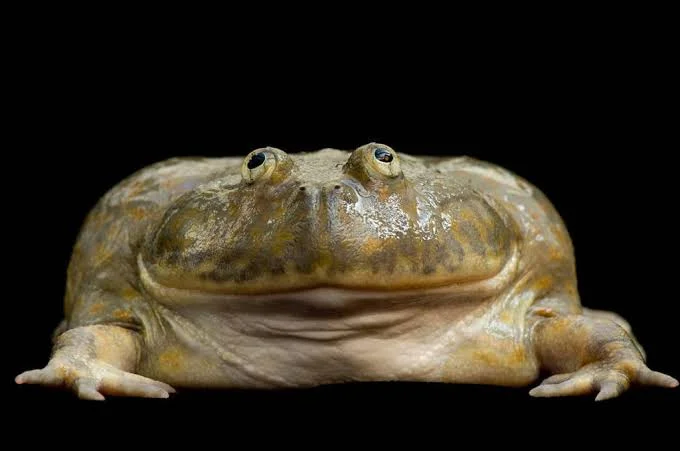 Although it may look funny, it has simple care needs when its environment is set up correctly. Whether you’re planning to keep a Budgett’s Frog pet or simply want to learn more about this amazing amphibian, this guide covers everything you need to know.
You’ll discover its natural habitat, enclosure setup, size, lifespan, temperature, humidity, behavior, and essential care tips in easy-to-understand language.
Budgett’s Frog Care Sheet
| Feature | Details |
| Common Name | Budgett’s Frog |
| Budgett’s Frog Scientific Name | Lepidobatrachus laevis |
| Family | Ceratophryidae |
| Origin | Argentina, Paraguay, Bolivia |
| Adult Size | 4–5 inches (10–13 cm) |
| Lifespan | 10–15 years |
| Care Level | Beginner to Intermediate |
| Diet | Insects, worms, fish, occasional pinky mice |
| Enclosure Size | Minimum 20-gallon long |
| Temperature | 75–85°F (24–29°C) |
| Humidity | 60–80% |
| Activity | Mostly nocturnal |
| Temperament | Bold, defensive, and aggressive feeder |
This Budgettt’s Frog care sheet gives beginners a quick overview of the species before setting up its home.
What Is a Budgettt’s Frog?
The Budgettt’s Frog (Lepidobatrachus laevis) is one of the world’s most unusual frogs. Instead of having a slim body like many other frogs, it has a wide, flat shape that almost looks like a pancake. Its oversized mouth allows it to swallow surprisingly large prey.
One of the reasons this species became popular is its fearless attitude. When threatened, it may inflate its body, open its mouth, and let out a scream to scare away predators.
Unlike colorful tree frogs that climb branches, Budgett’s Frogs spend most of their lives sitting quietly in shallow water or buried beneath soft soil, waiting for food to come close.
Budgett’s Frog Habitat
The natural Budgett’s Frog habitat is found in South America’s Gran Chaco region, including:
- Argentina
- Paraguay
- Bolivia
These frogs live in:
- Seasonal ponds
- Marshes
- Wet grasslands
- Swamps
- Temporary pools created during the rainy season
During the dry season, water disappears from these areas. To survive, the frog buries itself deep in soft mud and enters a resting stage called aestivation.
It remains hidden until heavy rains return. This natural survival strategy explains why captive frogs enjoy burrowing and spending long periods resting under the substrate.
Budgett’s Frog Behavior
Understanding Budgettt’s Frog behavior helps owners provide better care. These frogs are ambush predators. Instead of chasing prey, they wait patiently for insects or worms to move close before attacking with incredible speed.
Some common behaviors include:
- Sitting still for long periods.
- Hiding under the substrate.
- Becoming more active during the evening.
- Inflating their body when frightened.
- Screaming as a defense response.
- Biting if they mistake fingers for food.
Although they may seem lazy during the day, they become much more active around feeding time.
Budgett’s Frog Size
A fully grown Budgett’s Frog usually reaches 4–5 inches in length.
Females are generally larger than males.
| Male | Female |
| 3.5–4 inches | 4–5 inches |
| Slim body | Larger body |
| Lighter weight | Heavier body |
Young frogs grow quickly during their first year if they receive proper nutrition and clean water.
Budgettt’s Frog Lifespan
A healthy Budgettt’s Frog usually lives between 10 and 15 years in captivity.
Several factors affect lifespan:
- Clean enclosure
- Fresh dechlorinated water
- Correct Budgett’s Frog temperature
- Proper Budgett’s Frog humidity
- Balanced diet
- Regular cleaning
With consistent care, many frogs remain healthy for over a decade.
Budgett’s Frog Enclosure
Creating the right Budgett’s Frog enclosure is the most important part of successful frog care.
These frogs spend much of their time resting on the ground or soaking in shallow water, so a long enclosure works better than a tall one.
Tank Size
A minimum 20-gallon long aquarium is recommended for one adult.
Never keep multiple Budgett’s Frogs together because they are highly aggressive and may eat each other.
Substrate
The substrate should stay soft, moist, and deep enough for burrowing.
Good choices include:
- Coconut fiber
- Organic topsoil
- Sphagnum moss
- Soil mixed with play sand
Provide at least 3–4 inches of substrate.
Avoid:
- Gravel
- Sharp stones
- Cedar chips
- Pine bedding
These materials can cause injuries or digestive problems.
Water Area
Although Budgettt’s Frogs are not strong swimmers, they still require a shallow water area.
Use:
- Dechlorinated water
- Easy-to-clean water dish
- Shallow soaking area
Change the water regularly because frogs absorb water through their skin.
Decorations
Simple decorations make the enclosure more comfortable.
You can include:
- Cork bark
- Artificial caves
- Half logs
- Live or artificial plants
These hiding places reduce stress and encourage natural behavior.
Budgett’s Frog Temperature and Humidity
Maintaining the correct Budgett’s Frog temperature and Budgettt’s Frog humidity is essential for long-term health.
Temperature
Keep the enclosure between:
75–85°F (24–29°C)
Night temperatures can safely drop a few degrees. If additional heat is needed, use a thermostat-controlled heater to prevent overheating.
Humidity
The ideal Budgettt’s Frog humidity level is:
60–80%
Maintain humidity by:
- Keeping the substrate slightly damp.
- Misting when necessary.
- Providing fresh water every day.
Avoid overly wet conditions because excessive moisture can encourage mold and bacteria.
Is Budgettt’s Frog a Good Pet?
For many reptile and amphibian enthusiasts, the answer is yes.
A Budgettt’s Frog pet is ideal for people who enjoy watching natural behaviors instead of handling their animals every day.
Advantages
- Easy to care for
- Long lifespan
- Unique appearance
- Interesting feeding response
- Hardy species
- Doesn’t require a large enclosure
Disadvantages
- Doesn’t enjoy handling
- Can bite during feeding
- Needs live food
- Produces waste that requires regular cleaning
- Often stays buried during the day
If you want an unusual exotic pet with simple care requirements, the Budgettt’s Frog is an excellent option.
Budgettt’s Frog Facts
Here are some interesting Budgettt’s Frog facts:
- Its scientific name is Lepidobatrachus laevis.
- It can scream when frightened.
- It survives dry seasons by burying itself underground.
- It absorbs water through its skin.
- Females grow larger than males.
- It is an ambush predator with a powerful bite.
- It can live for more than 10 years with proper care.
- It has become popular worldwide because of its funny appearance and viral videos.
Budgettt’s Frog Diet and Feeding Schedule
A healthy diet is one of the most important parts of Budgettt’s Frog care. These frogs are natural hunters with a huge appetite.
In the wild, they eat almost anything that fits into their mouths, including insects, worms, fish, and even small frogs. A varied diet helps your frog stay healthy and prevents nutritional deficiencies.
Best Foods for Budgett’s Frogs
Offer a mix of these foods:
- Crickets
- Dubia roaches
- Earthworms
- Nightcrawlers
- Silkworms
- Occasional feeder fish
- Pinky mice (only for large adults and only as an occasional treat)
Avoid feeding wild insects because they may carry parasites or harmful chemicals.
Budgettt’s Frog Feeding Schedule
Following the correct Budgettt’s Frog feeding schedule helps prevent obesity and keeps your frog active.
| Age | Feeding Frequency |
| Baby | Every day |
| Juvenile | Every 1–2 days |
| Adult | 2–3 times each week |
Feeding Tips
- Dust insects with calcium powder 2–3 times each week.
- Use vitamin supplements once a week.
- Feed prey that is no wider than the frog’s head.
- Remove uneaten food after feeding.
- Use feeding tongs to avoid accidental bites.
A balanced feeding routine is one of the easiest ways to keep your Budgettt’s Frog healthy for many years.
Care and Cleaning
Although Budgettt’s Frogs are low-maintenance pets, they still need a clean environment.
Daily Tasks
- Check the water bowl.
- Remove leftover food.
- Spot-clean waste.
- Check temperature and humidity.
- Observe your frog’s behavior.
Weekly Tasks
- Replace dirty substrate.
- Clean the water container.
- Wipe decorations if needed.
Monthly Cleaning
Once every month:
- Replace all substrate.
- Wash decorations with reptile-safe disinfectant.
- Rinse everything thoroughly before returning it to the enclosure.
A clean enclosure helps prevent bacteria, parasites, and skin infections.
Can You Handle a Budgettt’s Frog?
Budgettt’s Frogs are observation pets rather than handling pets. Their skin is very delicate and absorbs chemicals from human hands. Frequent handling can stress the frog and damage its protective skin.
If you must move your frog:
- Wash your hands well.
- Wet your hands with dechlorinated water.
- Support the frog’s body gently.
- Return it to the enclosure quickly.
- Handling should only be done when necessary.
Why Does a Budgett’s Frog Scream?
One of the most searched questions online is why a Budgett’s Frog screams. The answer is simple.
When the frog feels threatened, it tries to scare away predators by:
- Inflating its body
- Opening its large mouth
- Producing a loud squeaking or screaming sound
This behavior is completely normal and is not a sign of illness.
Does a Budgett’s Frog Bite?
Yes. BBudgett’sFrogs have strong jaws and small tooth-like structures called odontoids. Although they are not venomous, their bite can be painful.
To avoid bites:
- Never hand-feed.
- Use feeding tongs.
- Avoid placing fingers near the frog during feeding time.
Male vs Female Budgett’s Frog
Many owners wonder how to tell males and females apart.
| Male | Female |
| Smaller body | Larger body |
| Slim build | Rounder body |
| Often calls during breeding season | Usually silent |
| Reaches maturity earlier | Grows larger over time |
Young frogs often look similar, so these differences become easier to notice as they mature.
Budgett’s Frog Breeding
Breeding Budgett’s Frogs is usually recommended for experienced keepers.
In the wild, breeding starts during the rainy season. The female lays hundreds of eggs in shallow water.
Within a few days:
- Eggs hatch into tadpoles.
- Tadpoles grow rapidly.
- Young frogs develop quickly before seasonal ponds dry up.
Interestingly, Budgett’s Frog tadpoles are also predators and may eat smaller tadpoles if food is scarce.
Common Health Problems
Healthy frogs have:
- Clear eyes
- Smooth skin
- Strong feeding response
- Healthy body weight
Common health issues include:
Skin Infections
Usually caused by dirty water.
Obesity
Caused by overfeeding.
Metabolic Bone Disease
Occurs when calcium supplements are missing.
Parasites
Often introduced through contaminated food.
Dehydration
Usually caused by low humidity or dirty water.
If your frog stops eating or develops unusual skin changes, contact an exotic animal veterinarian.
Common Beginner Mistakes
Many first-time owners accidentally make these mistakes.
Avoid:
- Using untreated tap water.
- Keeping two frogs together.
- Overfeeding.
- Handling too often.
- Using gravel as substrate.
- Ignoring humidity.
- Forgetting regular cleaning.
- Feeding prey that is too large.
Correct care from the beginning helps your frog stay healthy for many years.
Budgettt’s Frog Tank Mates
Many beginners ask if Budgettt’s Frog tank mates are possible.
The simple answer is no. Budgettt’s Frogs should always live alone.
They are aggressive predators and may:
- Eat smaller frogs.
- Attack fish.
- Bite other amphibians.
- Injure animals sharing the enclosure.
For the safety of all animals, a single-species enclosure is the best choice.
Price and Where to Buy
The price depends on age and breeder.
Average prices:
- Baby: $40–70
- Juvenile: $70–100
- Adult: $100–150+
Always buy from:
- Reputable breeders
- Licensed exotic pet stores
- Trusted reptile expos
Choose a frog with:
- Bright eyes
- Healthy skin
- Good body weight
- Normal breathing
- Strong feeding response
Captive-bred frogs are healthier and better adapted to life as pets than wild-caught animals.
Interesting Budgett’s Frog Facts
Here are a few more fun facts:
- They spend much of the day buried under the substrate.
- Their mouth is almost as wide as their body.
- They can survive long dry seasons through aestivation.
- They absorb water through their skin instead of drinking like mammals.
- Their defensive scream has made them famous on social media.
- Females are usually larger than males.
- They are among the fastest ambush predators in the amphibian world.
Frequently Asked Questions
1. Is Budgett’s Frog a good pet for beginners?
Yes. They are hardy and relatively easy to care for when provided with the correct enclosure and diet.
2. What is the scientific name of Budgett’s Frog?
The Budgettt’s Frog’s scientific name is Lepidobatrachus laevis.
3. How often should I feed my Budgett’s Frog?
Adults should be fed 2–3 times per week, while babies need daily feeding.
4. How long do Budgettt’s Frogs live?
With proper care, they usually live 10–15 years.
5. Can Budgettt’s Frogs live with tank mates?
No. Budgettt’s Frog tank mates are not recommended because these frogs are highly predatory and should be housed alone.
6. What temperature does a Budgettt’s Frog need?
Keep the enclosure between 75–85°F (24–29°C).
7. What humidity is best for Budgettt’s Frogs?
Maintain 60–80% humidity for healthy skin and proper shedding.
8. Why does my Budgettt’s Frog scream?
Screaming is a natural defense behavior used to frighten predators.
9. Can a Budgettt’s Frog bite?
Yes. Their bite can be painful but is not venomous.
10. How big do Budgettt’s Frogs grow?
Adults usually reach 4–5 inches, with females growing larger than males.
Final Thoughts
The Budgettt’s Frog is one of the most fascinating amphibians you can keep. Its unusual appearance, powerful feeding response, and unique behavior make it a favorite among exotic pet enthusiasts. Although it isn’t a pet that enjoys handling, it is rewarding to observe and relatively simple to care for when its needs are met.
By providing a proper Budgettt’s Frog enclosure, maintaining the correct temperature and humidity, following a balanced feeding schedule, and keeping the habitat clean, you can enjoy a healthy companion for more than a decade.
If you’re looking for a truly unique exotic pet, the Budgettt’s Frog is an excellent choice that combines easy care with an unforgettable personality.
I’ve created helpful guides in the Birds category on Petstdigo, featuring posts in Care, Cleaning, and Fun Activities. These guides share practical tips on grooming, skin and coat health, bathing routines, nutrition, playtime ideas, and calming solutions to keep your pets happy and healthy. Explore these pages for easy-to-follow advice and insights to support your pet’s overall well-being.