
The Vietnamese Mossy Frog is one of the most fascinating amphibians in the world. Its rough green skin looks almost identical to moss growing on wet rocks, making it an incredible master of camouflage. Because of this unique appearance, many reptile and amphibian enthusiasts are interested in learning about Vietnamese Mossy Frog care before bringing one home.
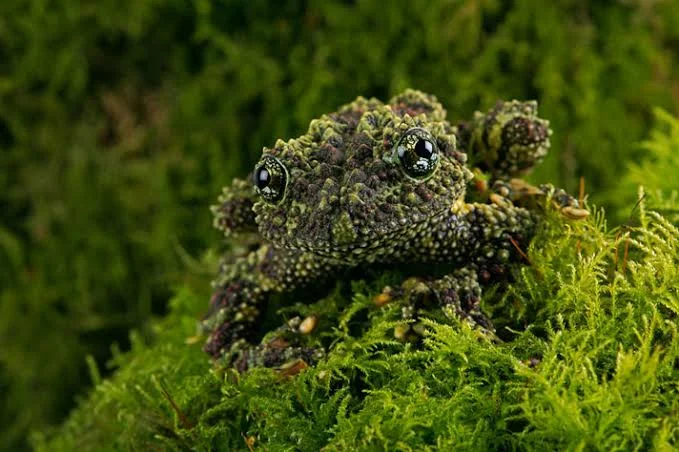 Unlike many common pet frogs, this species requires a carefully maintained environment that closely resembles its natural habitat. However, with proper knowledge, patience, and the right equipment, caring for a Vietnamese frog can become a rewarding experience. Throughout this guide, you’ll learn everything from habitat requirements and feeding schedules to cleaning, health care, breeding, and common beginner mistakes.
Whether you’re researching Vietnamese mossy frogs before purchasing one or want to learn more about these amazing amphibians, this guide covers everything you need to know in easy-to-understand language.
Vietnamese Mossy Frog Care Basics
Before setting up an enclosure, it’s important to understand the natural needs of the Vietnamese Mossy Frog. These frogs spend most of their lives hiding among moss-covered rocks near streams. Therefore, recreating that environment is the key to long-term success.
Quick Care Overview
| Feature | Information |
| Common Name | Vietnamese Mossy Frog |
| Scientific Name | Theloderma corticale |
| Family | Rhacophoridae |
| Adult Size | 2.5–3.5 inches (6–9 cm) |
| Lifespan | 10–15 years with proper care |
| Temperament | Shy, peaceful, nocturnal |
| Difficulty | Moderate |
| Diet | Live insects |
| Temperature | 68–75°F (20–24°C) |
| Humidity | 75–90% |
| Tank Type | Vertical bioactive terrarium |
| Activity | Mostly active at night |
Origin and Natural History
The Vietnamese Mossy Frog is native to northern Vietnam, where it inhabits cool mountain forests. These forests receive regular rainfall throughout the year, creating ideal conditions for moss, ferns, and small streams. Scientists first became interested in this species because of its extraordinary camouflage.
Instead of relying on speed, the frog blends perfectly into its surroundings. As a result, predators often mistake it for a patch of moss instead of a living animal. Today, this remarkable mossy frog is admired worldwide by amphibian keepers because of its unusual appearance and fascinating behavior.
Where Do Vietnamese Mossy Frogs Live?
In the wild, Vietnamese frogs live in humid evergreen forests at moderate elevations.
They are commonly found around:
- Forest streams
- Small waterfalls
- Moss-covered rocks
- Hollow logs
- Tree roots
- Natural pools
- Dense vegetation
These frogs rarely venture into dry environments. Instead, they stay close to fresh water where humidity remains consistently high. Unlike tree frogs that spend most of their time climbing high into trees, Vietnamese mossy frogs usually stay near the forest floor or low branches close to water.
Vietnamese Mossy Frog Habitat
A proper Vietnamese Mossy Frog habitat should closely resemble a rainforest ecosystem. These frogs prefer cool temperatures rather than excessive warmth. Therefore, avoid placing the enclosure near windows, heaters, or direct sunlight.
An ideal habitat includes:
- Cork bark
- Live moss
- Ferns
- Driftwood
- Small waterfall
- Clean water section
- Leaf litter
- Climbing branches
- Hidden caves
Adding live plants not only improves the appearance of the enclosure but also helps maintain humidity naturally. Bioactive setups are especially popular because beneficial insects help break down waste while creating a more natural environment.
Vietnamese Mossy Frog Enclosure
Creating the right Vietnamese Mossy Frog enclosure is one of the most important aspects of successful care. Since these frogs enjoy climbing, vertical space matters more than floor space.
Recommended Tank Size
| Number of Frogs | Minimum Tank Size |
| One Frog | 18 x 18 x 24 inches |
| Pair | 24 x 18 x 24 inches |
| Small Group | 36 x 18 x 24 inches |
Glass terrariums work best because they retain humidity better than screen cages.
The enclosure should include:
- Secure lid
- Cross ventilation
- Water feature
- Multiple hiding places
- Vertical climbing surfaces
- Natural decorations
Providing visual barriers reduces stress because these frogs naturally prefer secluded areas.
Vietnamese Mossy Frog Terrarium Setup
A well-designed Vietnamese Mossy Frog terrarium should imitate a rainforest stream.
- Suggested Layers
- Drainage layer
- Mesh barrier
- Bioactive soil
- Moss layer
- Leaf litter
- Live plants
- Rocks
- Branches
Many experienced keepers install a small waterfall or circulating water pump to improve humidity and create a natural appearance. However, standing water should always remain clean to prevent bacterial growth.
Temperature and Humidity
Unlike tropical frogs that require high heat, the Vietnamese Mossy Frog thrives in cooler temperatures.
Ideal Temperature
Day: 68–75°F (20–24°C)
Night: 65–70°F (18–21°C)
Avoid temperatures above 80°F because prolonged heat can cause severe stress.
Humidity
Maintain humidity between:
- 75%
- 80%
- 85%
- 90%
Daily misting helps maintain moisture. Digital hygrometers are much more accurate than analog models and should be used to monitor humidity levels.
Lighting Requirements
Although these frogs are nocturnal, lighting still benefits the enclosure.
Good lighting helps:
- Live plants grow
- Maintain a natural day-night cycle
- Improve enclosure appearance
Strong UVB lighting is generally unnecessary, although low-level UVB may provide additional benefits in naturalistic setups.
Provide approximately:
- 12 hours of light
- 12 hours of darkness
Vietnamese Mossy Frog Lifespan
The average Vietnamese Mossy Frog lifespan ranges between 10 and 15 years, although some individuals may live even longer with exceptional care.
Several factors influence lifespan:
- Proper nutrition
- Stable humidity
- Clean enclosure
- Low stress
- Disease prevention
- High water quality
Poor husbandry often shortens lifespan significantly. Fortunately, consistent care greatly increases the chances of raising a healthy frog for many years.
Vietnamese Mossy Frog Size
The average Vietnamese Mossy Frog size is relatively small.
Adult frogs typically measure:
- 2.5–3.5 inches
- 6–9 centimeters
Females are generally:
- Larger
- Heavier
- More rounded
Males are usually slimmer and develop vocal sacs used during breeding. Despite their modest size, these frogs have impressive camouflage that makes them appear much larger when resting among moss.
Vietnamese Mossy Frog Diet
A healthy Vietnamese Mossy Frog depends on a varied insect diet. These frogs are insectivores, meaning they only eat live prey.
Common foods include:
- Crickets
- Dubia roaches
- Small locusts
- Black soldier fly larvae
- Mealworms (occasionally)
- Waxworms (rare treats)
- Silkworms
- Small earthworms
Feeding different insects provides a wider range of nutrients than relying on a single food source. Before feeding, insects should be gut-loaded with nutritious vegetables and commercial insect diets.
Feeding Schedule
Young frogs require food more frequently than adults.
Juveniles
- Feed daily
Adults
- Feed every 2–3 days
Offer only as many insects as they can consume within 15–20 minutes. Remove uneaten insects afterward to prevent stress and accidental injuries.
Dust feeder insects with:
- Calcium powder
- Vitamin D3
- Multivitamins
Following a proper supplement schedule helps prevent nutritional deficiencies.
Water Requirements
Clean water is essential for amphibians because they absorb moisture through their skin.
Use:
- Dechlorinated water
- Spring water
- Reverse osmosis water (properly remineralized)
Avoid untreated tap water containing chlorine or chloramine. Water dishes should be cleaned every day to reduce bacterial growth.
Vietnamese Mossy Frog Behavior
The Vietnamese Mossy Frog has a calm and secretive personality. During daylight hours, it usually remains motionless. At night, however, it becomes much more active.
Common behaviors include:
- Climbing branches
- Hunting insects
- Soaking in shallow water
- Hiding beneath moss
- Resting on rocks
Because of their excellent camouflage, owners sometimes spend several minutes trying to locate their frogs inside the enclosure.
Vietnamese Mossy Frog Sound and Call
Many people wonder about the Vietnamese Mossy Frog sound. Male frogs produce soft clicking and chirping calls, especially during breeding season. The Vietnamese Mossy Frog call is much quieter than many tree frog species.
Most owners describe it as:
- Gentle clicking
- Soft chirping
- Short repeated notes
These vocalizations are typically heard after misting or during rainy weather simulations.
Is the Vietnamese Mossy Frog a Good Pet?
Many amphibian enthusiasts ask whether the Vietnamese Mossy Frog makes a good pet. The answer depends on your expectations.
Pros
- Extraordinary camouflage
- Calm temperament
- Long lifespan
- Unique appearance
- Quiet pet
- Interesting nighttime activity
- Great display animal
Cons
- Does not enjoy handling
- Requires high humidity
- Needs live insects
- Sensitive to poor water quality
- Moderate care level
For keepers who enjoy creating naturalistic terrariums and observing fascinating behaviors, the Vietnamese Mossy Frog is an excellent choice. However, it is less suitable for anyone looking for a pet that enjoys frequent interaction or handling.
Vietnamese Mossy Frog Cleaning and Enclosure Maintenance
Proper cleaning is one of the most important parts of Vietnamese Mossy Frog care. Because amphibians have sensitive skin, dirty conditions can quickly lead to bacterial or fungal infections. Fortunately, regular maintenance keeps the enclosure healthy without causing unnecessary stress.
Daily Cleaning
Spend a few minutes each day checking the enclosure.
Daily tasks include:
- Remove leftover insects
- Replace dirty water
- Spot clean waste
- Check humidity and temperature
- Inspect plants and decorations
Weekly Cleaning
Once a week, perform a deeper inspection.
This includes:
- Wiping the glass with reptile-safe cleaner
- Trimming dead plant leaves
- Cleaning the water feature
- Removing mold if present
- Checking drainage
Monthly Maintenance
Every month:
- Inspect the drainage layer.
- Clean the filtration system.
- Replace worn moss if necessary.
- Check all equipment for proper operation.
Avoid using household cleaners, bleach, or soap inside the enclosure. Instead, use reptile-safe disinfectants and rinse thoroughly before returning decorations.
Handling Your Vietnamese Mossy Frog
Although Vietnamese frogs are beautiful, they are not handling pets. Their skin is delicate and absorbs oils, chemicals, and bacteria from human hands. Frequent handling can increase stress and may even damage their protective skin layer.
If handling becomes necessary:
- Wash hands thoroughly with water only.
- Wet your hands before touching the frog.
- Support its entire body.
- Keep handling to a few minutes.
- Return it gently to the enclosure.
Observing your mossy frog inside its naturalistic terrarium is much safer than holding it regularly.
Health Problems and Disease Prevention
Healthy frogs are alert, maintain a healthy weight, and show smooth breathing. However, poor husbandry can lead to illness.
Common health concerns include:
- Skin infections
- Fungal infections
- Bacterial infections
- Parasites
- Dehydration
- Metabolic Bone Disease (MBD)
Warning Signs
Watch for:
- Loss of appetite
- Weight loss
- Swollen body
- Skin discoloration
- Difficulty climbing
- Excessive soaking
- Open wounds
- Lethargy
If symptoms continue for several days, consult an experienced exotic animal veterinarian.
Prevention Tips
Disease prevention is much easier than treatment.
- Maintain clean water.
- Feed a balanced diet.
- Dust insects with calcium.
- Keep humidity stable.
- Avoid overcrowding.
- Quarantine new frogs before introducing them.
Shedding
Like many amphibians, the Vietnamese Mossy Frog sheds its skin regularly. Interestingly, frogs usually eat their shed skin. This behavior helps recycle nutrients while preventing predators from detecting their presence in the wild.
Normal shedding is quick and usually causes no problems. If pieces of old skin remain attached, humidity may be too low.
Breeding Vietnamese Mossy Frogs
Breeding Vietnamese mossy frogs can be rewarding but requires patience. In nature, breeding usually begins during the rainy season.
To encourage breeding in captivity:
- Lower temperatures slightly.
- Increase daily misting.
- Simulate rainfall.
- Provide shallow water pools.
Males begin calling to attract females.
After mating, females deposit eggs in water or on surfaces above the water.
Eggs
Eggs hatch within approximately two weeks depending on temperature. The tadpoles develop in water before transforming into juvenile frogs. Young frogs require smaller prey and higher feeding frequency than adults.
Male vs Female Vietnamese Mossy Frog
Distinguishing males from females becomes easier as they mature.
| Male | Female |
| Smaller | Larger |
| Slim body | Rounder body |
| Vocal sac present | No vocal sac |
| Calls during breeding | Silent |
| Slightly lighter build | Heavier build |
Females generally produce larger clutches of eggs once fully mature.
Are Vietnamese Mossy Frogs Poisonous?
Many people ask, “Are Vietnamese Mossy Frogs poisonous?”
The answer is no.
Unlike poison dart frogs, Vietnamese Mossy Frogs are not considered poisonous or dangerous to humans.
However, they should still not be handled unnecessarily because:
- Their skin is sensitive.
- Human lotions and chemicals can harm them.
- Stress affects their health.
Always wash your hands before and after any contact.
Vietnamese Mossy Frog Price and Availability
The Vietnamese Mossy Frog price varies depending on age, breeder reputation, and location. Generally, captive-bred frogs cost more than wild-caught individuals, but they are healthier and adapt better to captivity.
If you search for a Vietnamese Mossy Frog for sale, always choose a reputable breeder who offers captive-bred animals. Avoid illegally collected wild specimens whenever possible because captive breeding supports conservation and animal welfare.
Before purchasing, ask about:
- Feeding history
- Age
- Health records
- Captive-bred status
- Shipping conditions
Fun Activities for Your Vietnamese Mossy Frog
Although frogs do not play like dogs or cats, you can still provide enrichment.
Fun enrichment ideas include:
- Rearranging branches occasionally
- Adding new climbing areas
- Introducing safe live plants
- Offering insects in different feeding locations
- Creating gentle rain simulations
- Installing a small waterfall
- Changing moss layouts
These simple changes encourage natural exploration and hunting behavior.
Common Beginner Mistakes
New keepers sometimes make avoidable mistakes.
Here are the most common ones:
- Keeping the enclosure too warm.
- Allowing humidity to become too low.
- Feeding only one type of insect.
- Forgetting calcium supplements.
- Using untreated tap water.
- Handling frogs too often.
- Keeping dirty water.
- Buying wild-caught frogs without research.
- Choosing an enclosure that’s too small.
- Ignoring early signs of illness.
Learning proper Vietnamese Mossy Frog care from the beginning helps prevent these issues.
EEAT
Experienced amphibian keepers consistently recommend the following practices:
- Prioritize enclosure quality over decoration.
- Monitor humidity with a digital hygrometer.
- Feed a varied diet instead of one feeder insect.
- Replace water daily.
- Avoid unnecessary handling.
- Observe your frog’s behavior every evening.
- Record feeding and shedding dates.
- Purchase captive-bred frogs whenever possible.
- Schedule veterinary care if unusual symptoms appear.
These recommendations are based on widely accepted amphibian husbandry practices and help improve long-term success.
FAQs
1. What is the average Vietnamese Mossy Frog lifespan?
With proper care, the Vietnamese Mossy Frog lifespan is typically 10–15 years, although some individuals may live even longer.
2. What do Vietnamese Mossy Frogs eat?
They eat live insects such as crickets, Dubia roaches, silkworms, black soldier fly larvae, and small earthworms.
3. What size enclosure does a Vietnamese Mossy Frog need?
A single adult should have at least an 18 × 18 × 24-inch vertical terrarium with climbing space and hiding areas.
4. Are Vietnamese Mossy Frogs poisonous?
No. They are not poisonous, but they should still be handled as little as possible to protect their delicate skin.
5. What temperature is best for Vietnamese Mossy Frog care?
Maintain temperatures between 68–75°F (20–24°C) with humidity around 75–90%.
6. Can beginners keep Vietnamese Mossy Frogs?
Yes, but they are best suited for beginners who are willing to maintain proper humidity, water quality, and a naturalistic enclosure.
7. Do Vietnamese Mossy Frogs make noise?
Yes. Males produce soft clicking and chirping sounds, especially during the breeding season.
8. How big do Vietnamese Mossy Frogs get?
Adults generally reach 2.5–3.5 inches (6–9 cm) in length.
9. How often should I clean a Vietnamese Mossy Frog terrarium?
Spot clean daily, replace water every day, perform weekly maintenance, and inspect the enclosure monthly.
10. Where can I find a Vietnamese Mossy Frog for sale?
Purchase from reputable breeders who specialize in captive-bred Vietnamese Mossy Frogs, as these are healthier and help reduce pressure on wild populations.
Final Thoughts
The Vietnamese Mossy Frog is one of the most remarkable amphibians available to hobbyists. Its moss-like appearance, peaceful temperament, and incredible camouflage make it unlike almost any other frog in the pet trade.
While this species is not the easiest choice for complete beginners, dedicated keepers can successfully maintain healthy Vietnamese mossy frogs by providing a cool, humid, and natural environment. A well-designed Vietnamese Mossy Frog enclosure, regular cleaning, nutritious live food, and careful observation will allow these unique frogs to thrive for many years.
If you’re looking for a fascinating display amphibian rather than a hands-on pet, the mossy frog is an outstanding choice. With patience, proper research, and responsible care, your Vietnamese Mossy Frog can become the highlight of a beautiful rainforest terrarium.
I’ve created helpful guides in the Birds category on Petstdigo, featuring posts in Care, Cleaning, and Fun Activities. These guides share practical tips on grooming, skin and coat health, bathing routines, nutrition, playtime ideas, and calming solutions to keep your pets happy and healthy. Explore these pages for easy-to-follow advice and insights to support your pet’s overall well-being.