
If you are searching for a unique reptile that is easy to care for, beautiful to look at, and enjoyable to own, the Gargoyle Gecko is an excellent choice. This fascinating lizard has become increasingly popular among reptile enthusiasts because of its calm temperament, attractive appearance, and relatively simple care requirements.
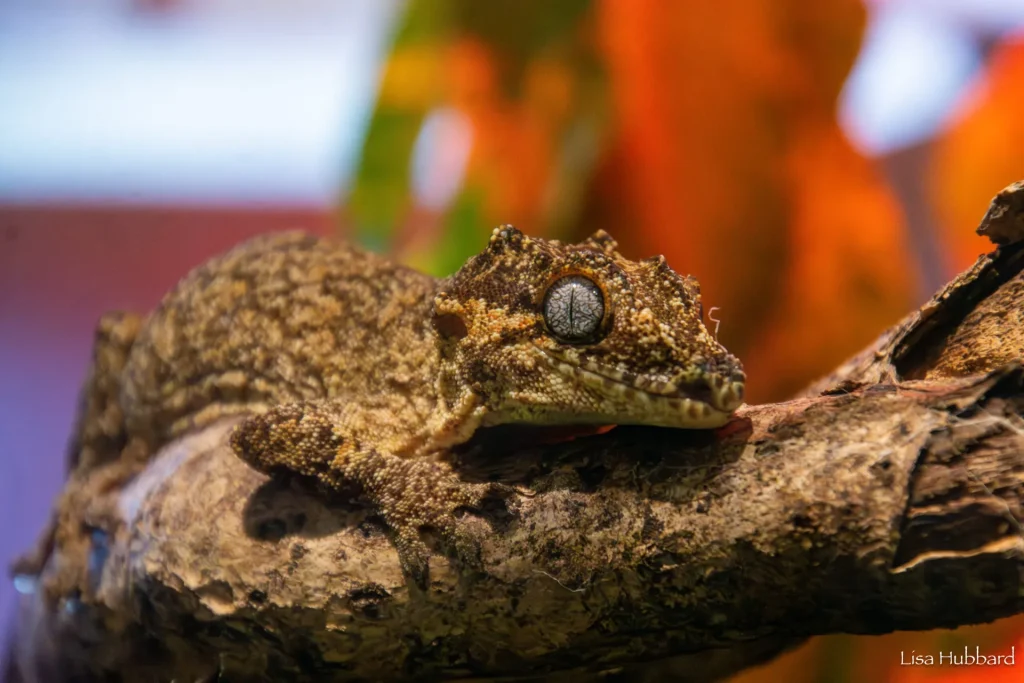 Whether you are completely new to reptiles or already have experience with geckos, understanding proper gargoyle gecko care will help your pet stay healthy for many years. Unlike many reptiles that require complicated setups, Gargoyle Gecko care is beginner-friendly when you provide the correct environment, nutritious food, and regular maintenance.
Throughout this comprehensive gargoyle gecko care sheet, you will learn about the species’ origin, habitat, lifespan, diet, enclosure requirements, handling tips, cleaning routine, health care, and much more. By the end of this guide, you will have the confidence to provide excellent care for your pet.
What Is a Gargoyle Gecko?
The Gargoyle Gecko (Rhacodactylus auriculatus) is a medium-sized arboreal gecko native to the tropical forests of New Caledonia, a group of islands in the South Pacific.
It gets its unusual name from the horn-like bumps located above its eyes, giving it a look similar to ancient stone gargoyles found on historic buildings. Today, gargoyle geckos are among the most popular pet reptiles because they are hardy, relatively easy to care for, and available in many stunning colors and patterns.
Additionally, they are nocturnal, meaning they become active during the evening and nighttime hours. Unlike many reptiles, these geckos can regenerate their tails if they lose them. This remarkable ability makes them unique among New Caledonian geckos.
Gargoyle Gecko Quick Facts
| Feature | Details |
| Scientific Name | Rhacodactylus auriculatus |
| Common Name | Gargoyle Gecko |
| Family | Diplodactylidae |
| Origin | New Caledonia |
| Adult Size | 8–10 inches |
| Weight | 45–70 grams |
| Average Gargoyle Gecko Lifespan | 15–20 years |
| Activity | Nocturnal |
| Difficulty Level | Beginner to Intermediate |
| Diet | Omnivore |
| Temperament | Calm and Curious |
| Habitat | Tropical Rainforest |
Origin of the Gargoyle Gecko
The Gargoyle Gecko originates from New Caledonia, a French territory located east of Australia. These islands are famous for their incredible biodiversity, with many reptiles found nowhere else in the world.
For decades, scientists believed the species had disappeared from the wild. Fortunately, researchers rediscovered wild populations during the 1990s. Since then, conservation efforts and responsible captive breeding have helped protect these fascinating reptiles.
Where Do Gargoyle Geckos Live?
Understanding where the Gargoyle Gecko naturally lives helps owners recreate a suitable environment at home.
In the wild, these geckos inhabit humid tropical forests filled with:
- Tall trees
- Dense vegetation
- Moss-covered branches
- Vines
- Leaf litter
- Rocky forest areas
They spend most of their lives climbing trees rather than living on the ground. Therefore, they are classified as arboreal reptiles. During the daytime, they hide inside tree hollows, bark crevices, or dense foliage to avoid predators and excessive sunlight.
After sunset, they emerge to hunt insects and search for fruit. Because of these natural habits, a tall gargoyle gecko enclosure is always better than a wide one.
Natural Habitat
The native habitat of a gargoyle gecko is warm, humid, and densely forested. Rain falls frequently throughout the year, helping maintain high humidity levels.
Typical habitat conditions include:
- Warm temperatures
- High humidity
- Plenty of climbing surfaces
- Dense plants
- Moderate airflow
- Safe hiding places
These environmental conditions should be replicated as closely as possible inside captivity. Fortunately, creating a natural habitat is easier than many beginners expect.
Appearance
One reason gargoyle geckos have become so popular is their incredible appearance. Their rough skin resembles weathered stone, giving them a prehistoric look.
Meanwhile, the small horn-like bumps above the eyes inspired their famous name.
Some of their most noticeable features include:
- Strong climbing feet
- Sticky toe pads
- Regenerating tail
- Large eyes
- Thick body
- Rough skin texture
- Excellent camouflage
Unlike leopard geckos, they possess adhesive toe pads that allow them to climb smooth glass surfaces with ease. Furthermore, their eyes have no eyelids.
Instead, they clean them by licking the transparent protective membrane.
Gargoyle Gecko Size
Many beginners wonder about the average gargoyle gecko size before bringing one home.
Generally:
| Age | Average Size |
| Hatchling | 3–4 inches |
| Juvenile | 5–7 inches |
| Adult Gargoyle Gecko | 8–10 inches |
Adult geckos usually weigh between 45 and 70 grams, depending on genetics, diet, and overall health.
Although females are often slightly heavier, males typically develop broader heads.
Baby Gargoyle Gecko vs Adult Gargoyle Gecko
A baby gargoyle gecko looks quite different from an adult.
Young geckos often have:
- Brighter colors
- Smaller bodies
- Thin tails
- Faster growth
- Higher feeding frequency
As they mature, their colors may darken or brighten depending on genetics. Additionally, their body becomes thicker and more muscular.
An adult gargoyle gecko generally reaches full size within 18 to 24 months.
Gargoyle Gecko Lifespan
One of the biggest advantages of owning this reptile is its impressive gargoyle gecko lifespan.
With excellent care, most captive geckos live:
- 15–20 years on average
- Some exceed 20 years
- Exceptional individuals may reach 25 years
Their lifespan depends on several factors:
- Proper nutrition
- Clean enclosure
- Stable humidity
- Correct temperatures
- Low stress
- Regular health monitoring
- Quality genetics
Because they can live for decades, purchasing one should be considered a long-term commitment.
Temperament and Personality
The Gargoyle Gecko is generally calm, curious, and easygoing. Although every gecko has its own personality, most become comfortable around their owner after regular, gentle interaction.
Common personality traits include:
- Curious
- Quiet
- Alert
- Intelligent
- Mild-mannered
- Independent
However, they may jump surprisingly far when startled. Therefore, always handle them over a soft surface. Unlike aggressive reptiles, they rarely bite. Instead, they usually try to escape if frightened.
Is the Gargoyle Gecko a Good Pet?
For many reptile enthusiasts, the answer is yes. A Gargoyle Gecko is considered one of the best beginner-friendly pet geckos because it combines attractive looks with manageable care requirements.
Reasons they make excellent pets include:
- Easy daily care
- Moderate enclosure size
- Beautiful colors
- Long lifespan
- Quiet behavior
- Minimal odor
- Interesting nighttime activity
- Generally tolerant of gentle handling
- Suitable for apartments
- Captive-bred individuals are widely available
In addition, they do not require intense lighting or large outdoor spaces, making them practical for many households.
Pros and Cons of Keeping a Gargoyle Gecko
Every pet has advantages and disadvantages. Understanding both helps you decide whether this reptile fits your lifestyle.
| Pros | Cons |
| Beginner-friendly | Nocturnal, so active mostly at night |
| Beautiful morphs | Can be shy initially |
| Long lifespan | Requires humidity monitoring |
| Doesn’t need daily handling | May jump unexpectedly |
| Doesn’t bark or make noise | Setup cost can be expensive |
| Easy feeding routine | Live insects still recommended |
| Small space requirement | Long-term commitment |
For most owners, the benefits easily outweigh the challenges. Nevertheless, proper research remains essential before bringing one home.
Gargoyle Gecko Price
The gargoyle gecko price depends on several factors, including age, color, genetics, breeder reputation, and morph.
On average:
| Type | Estimated Price (USD) |
| Baby Gargoyle Gecko | $80–$180 |
| Adult Gargoyle Gecko | $150–$350 |
| Rare Morphs | $400–$1,000+ |
Rare morphs, such as high-quality red stripe gargoyle gecko or premium reticulated gargoyle gecko, often command significantly higher prices due to their unique patterns and selective breeding.
Gargoyle Gecko Care
Providing proper gargoyle gecko care is easier than many beginners expect. Although these geckos have specific environmental needs, they are forgiving compared to many other reptiles. Therefore, once you establish the correct habitat and feeding routine, daily care becomes simple.
A healthy Gargoyle Gecko depends on five essential factors:
- A properly sized enclosure
- Stable temperature and humidity
- A balanced diet
- Regular cleaning
- Gentle handling with minimal stress
When all these needs are met consistently, your gecko can thrive for many years.
Gargoyle Gecko Care Sheet
The following gargoyle gecko care sheet provides a quick overview of the most important care requirements.
| Care Requirement | Recommendation |
| Difficulty | Beginner-Friendly |
| Enclosure | 18x18x24 inches minimum (adult) |
| Temperature | 72–78°F (22–26°C) |
| Night Temperature | 68–72°F (20–22°C) |
| Humidity | 60–80% |
| Lighting | Low-level LED, optional low UVB |
| Diet | Complete gecko diet + insects |
| Water | Fresh daily |
| Cleaning | Spot clean daily |
| Deep Cleaning | Every 4–6 weeks |
| Lifespan | 15–20 years |
This table serves as a handy reference for both new and experienced keepers.
Choosing the Right Gargoyle Gecko Enclosure
A suitable gargoyle gecko enclosure is one of the most important investments you will make. Since these reptiles spend most of their time climbing, height is far more valuable than floor space.
For this reason, a vertical terrarium is always recommended.
Recommended Enclosure Sizes
| Gecko Age | Minimum Tank Size |
| Hatchling | 8–10 gallons |
| Juvenile | 12–18 gallons |
| Adult | 18 x 18 x 24 inches or larger |
Larger enclosures provide more climbing opportunities and encourage natural behaviors. Glass terrariums with front-opening doors are especially popular because they make maintenance and handling much easier.
Setting Up a Natural Habitat
Your goal should be to recreate the humid forests of New Caledonia.
A natural setup may include:
- Cork bark
- Hollow logs
- Driftwood
- Bamboo
- Artificial vines
- Live plants
- Fake plants
- Moss
- Climbing branches
The more climbing opportunities you provide, the more active and confident your gecko will become. Additionally, hiding places help reduce stress.
Temperature Requirements
Unlike desert reptiles, gargoyle geckos prefer moderate temperatures.
Ideal daytime temperatures include:
| Area | Temperature |
| Cool Side | 72–74°F |
| Warm Side | 76–78°F |
| Night | 68–72°F |
Temperatures above 82°F (28°C) for extended periods can become dangerous. During hot weather, extra ventilation or air conditioning may be necessary.
Always monitor temperatures with digital thermometers placed at different levels inside the enclosure.
Humidity Requirements
Humidity plays a major role in successful gargoyle gecko care.
Aim for:
- Daytime: 50–60%
- Nighttime: 70–80%
To maintain proper humidity:
- Mist the enclosure every evening.
- Use moisture-retaining substrate.
- Include live plants if possible.
- Monitor humidity with a digital hygrometer.
However, avoid constantly wet conditions, as excessive moisture can encourage mold and bacterial growth.
Decorations and Enrichment
A plain enclosure often causes boredom and stress.
Instead, create a stimulating environment using:
- Climbing branches
- Hanging vines
- Cork tubes
- Elevated platforms
- Leafy plants
- Moss walls
- Hidden feeding spots
Changing the layout every few months also encourages exploration.
Gargoyle Gecko Diet
A balanced gargoyle gecko diet is essential for growth, strong bones, healthy shedding, and a long life. Fortunately, feeding these geckos is straightforward because they enjoy both prepared diets and live insects.
In the wild, they consume:
- Fruit
- Nectar
- Insects
- Small invertebrates
- Occasionally tiny vertebrates
Captive diets should closely resemble this variety.
Gargoyle Gecko Food
Many beginners ask about the best gargoyle gecko food.
A healthy diet should include:
Commercial Gecko Diet
High-quality powdered complete diets provide balanced nutrition.
These formulas contain:
- Fruit
- Protein
- Vitamins
- Minerals
- Calcium
They are ideal as the primary food source.
Live Insects
Offer insects one or two times each week.
Good choices include:
- Crickets
- Dubia roaches
- Black soldier fly larvae
- Silkworms
- Mealworms (occasionally)
- Waxworms (rare treats)
Dust insects with calcium before feeding.
Foods to Avoid
Never feed:
- Fireflies
- Wild insects exposed to pesticides
- Avocado
- Chocolate
- Dairy
- Bread
- Processed human food
- Salty snacks
These foods may seriously harm your gecko.
Feeding Schedule
| Age | Feeding Frequency |
| Hatchlings | Daily |
| Juveniles | 5–6 times weekly |
| Adults | 3–4 times weekly |
Fresh water should always be available.
Water Requirements
Even though they often lick water droplets from leaves, clean drinking water should always be provided. Replace water every day.
Wash the water dish regularly to prevent bacteria. Daily misting also helps maintain hydration.
Gargoyle Gecko Handling
Many new owners worry about gargoyle gecko handling. Fortunately, these reptiles usually become comfortable with gentle interaction. However, patience is essential.
Tips for Safe Handling
- Let your gecko settle for at least two weeks after bringing it home.
- Wash your hands before and after handling.
- Move slowly.
- Support the entire body.
- Never grab the tail.
- Handle over a bed or soft surface.
- Keep sessions short at first.
Eventually, many geckos willingly climb onto their owner’s hands.
Cleaning the Enclosure
Cleanliness directly affects your gecko’s health. A simple routine keeps bacteria under control.
Daily Cleaning
- Remove droppings.
- Replace dirty water.
- Remove uneaten insects.
- Wipe dirty glass.
- Check humidity.
Weekly Cleaning
- Clean food dishes.
- Trim dead plants.
- Inspect decorations.
- Spot-clean substrate.
Monthly Deep Cleaning
Every four to six weeks:
- Remove decorations.
- Wash the enclosure using a reptile-safe disinfectant.
- Replace part or all of the substrate if needed.
- Clean branches and hides thoroughly.
- Allow everything to dry before reassembling the habitat.
Keeping the enclosure clean greatly reduces the risk of bacterial and fungal infections.
Fun Activities and Enrichment
Although gargoyle geckos are relatively calm, they still benefit from environmental enrichment.
Here are a few simple ways to keep them mentally stimulated:
- Rearrange climbing branches occasionally.
- Hide food in different locations.
- Add new vines or cork bark.
- Introduce safe live plants.
- Offer different climbing heights.
- Create multiple hiding spots.
Watching your gecko explore a newly arranged habitat is both entertaining and rewarding.
Common Health Problems
Even with excellent care, health issues can occasionally occur. Early detection is the key to successful treatment.
Some of the most common problems include:
- Metabolic Bone Disease (MBD)
- Dehydration
- Retained shed
- Mouth rot
- Respiratory infections
- Parasites
- Minor skin injuries
- Stress-related appetite loss
Warning signs include:
- Weight loss
- Swollen joints
- Difficulty climbing
- Wheezing
- Loss of appetite
- Sunken eyes
- Lethargy
- Incomplete shedding
If any of these symptoms persist, consult an experienced reptile veterinarian as soon as possible.
Male vs Female Gargoyle Gecko
Many owners eventually wonder whether their Gargoyle Gecko is male or female. While both sexes share similar care requirements, there are a few physical differences that can help identify them.
Male Gargoyle Gecko
Male geckos typically have:
- Larger heads
- More pronounced jaw structure
- Hemipenal bulges near the base of the tail
- More territorial behavior
- Slightly thicker bodies
Female Gargoyle Gecko
Female geckos generally have:
- Smaller heads
- Slimmer body shape
- No hemipenal bulges
- Less territorial tendencies
- Egg-laying ability
For beginners, females are often considered slightly easier to keep together in breeding projects, while males should usually be housed separately.
Gargoyle Gecko Breeding
Breeding gargoyle geckos can be a rewarding experience; however, it should only be attempted after gaining proper reptile care experience.
Healthy breeding adults should:
- Be at least 18 months old
- Maintain healthy body weight
- Receive proper calcium supplementation
- Show no signs of illness
Breeding Season
Most breeding occurs during warmer months. The breeding process usually involves:
- Introducing the pair carefully.
- Observing behavior.
- Monitoring feeding and weight.
- Providing suitable egg-laying areas.
Egg Laying
Female geckos typically lay:
- Two eggs per clutch
- Multiple clutches each year
- Eggs are usually buried in moist substrate.
Beginner Mistakes to Avoid
Many care problems occur because of simple beginner mistakes. Fortunately, these issues are easy to prevent.
Buying an Enclosure That Is Too Small
A cramped enclosure limits exercise and natural climbing behavior.
Ignoring Humidity
Low humidity often causes shedding problems and dehydration.
Overheating the Habitat
Excessive heat can quickly become dangerous.
Feeding Only Insects
A balanced gargoyle gecko diet should include a quality complete gecko diet as the primary food source.
Handling Too Soon
New geckos need time to adjust before regular interaction.
Skipping Supplements
Calcium deficiency can lead to serious health issues.
Poor Cleaning Habits
Dirty enclosures encourage bacteria and parasites.
Housing Multiple Males Together
This often leads to stress and territorial aggression. Avoiding these mistakes significantly improves your gecko’s quality of life.
EEAT
When researching exotic pets, trustworthy information is essential. Many care problems occur because owners rely on outdated or inaccurate advice.
This guide follows established reptile husbandry principles commonly recommended by:
- Experienced reptile breeders
- Exotic animal veterinarians
- Herpetology resources
- Long-term gecko keepers
- Captive breeding programs
Additionally, the recommendations provided throughout this gargoyle gecko care sheet focus on practical husbandry methods that have consistently produced healthy captive animals.
However, every gecko is an individual. Therefore, owners should always observe their pet’s behavior and consult a qualified reptile veterinarian whenever concerns arise.
Why the Gargoyle Gecko Is One of the Best Beginner Reptiles
Many reptiles require:
- Intense heating
- Complex lighting
- Large enclosures
- Specialized diets
Fortunately, the Gargoyle Gecko avoids many of these challenges.
Instead, owners benefit from:
- Simple feeding routines
- Manageable enclosure sizes
- Attractive appearance
- Long lifespan
- Calm personality
- Easy maintenance
As a result, these geckos continue to grow in popularity worldwide. Whether you choose a baby gargoyle gecko or an adult gargoyle gecko, the species offers a rewarding ownership experience.
FAQs
1. How long does a Gargoyle Gecko live?
The average gargoyle gecko lifespan is 15–20 years, although some individuals may live even longer with excellent care.
2. What does a Gargoyle Gecko eat?
A proper gargoyle gecko diet includes commercial gecko food, insects, fruit-based formulas, calcium, and vitamin supplements.
3. How big does a Gargoyle Gecko get?
An adult gargoyle gecko size is usually between 8 and 10 inches, including the tail.
4. Is a Gargoyle Gecko good for beginners?
Yes. Their manageable care requirements make them one of the best beginner reptile pets.
5. Do Gargoyle Geckos need UVB lighting?
UVB is optional but beneficial. Many keepers successfully maintain healthy geckos with low-level UVB and proper nutrition.
6. Do lizards have teeth?
Yes. Like most reptiles, Gargoyle Geckos have small teeth used for gripping food.
7. How often should I handle my Gargoyle Gecko?
Short handling sessions a few times each week are usually ideal once the gecko has settled into its enclosure.
8. What humidity does a Gargoyle Gecko need?
Most thrive with humidity levels between 60% and 80%.
9. How much does a Gargoyle Gecko cost?
The average gargoyle gecko price ranges from $80 to over $1,000 depending on age, genetics, and morph.
10. What is the difference between a Gargoyle Gecko and a Crested Gecko?
The biggest difference in the gargoyle gecko vs crested gecko comparison is that Gargoyle Geckos can regenerate their tails, while Crested Geckos cannot.
Final Thoughts
The Gargoyle Gecko is a fascinating reptile that combines beauty, personality, and relatively simple care requirements. Its unique appearance, impressive gargoyle gecko lifespan, manageable size, and beginner-friendly nature make it one of the best pet geckos available today.
By providing a properly designed gargoyle gecko enclosure, maintaining suitable temperature and humidity levels, offering a nutritious gargoyle gecko diet, and following a regular cleaning routine, you can help your pet thrive for many years.
Whether you are interested in a striking red gargoyle gecko, a beautiful reticulated gargoyle gecko, or another morph, responsible ownership begins with education. Fortunately, with the information in this guide, you now have a strong foundation for providing excellent gargoyle gecko care from the very beginning.
I’ve also written helpful guides in the Animals category on Petstdigo, including detailed posts in the Care and Cleaning sections. These articles cover practical tips on pet grooming, skin and coat health, bathing routines, and overall well‑being. If you’re interested in learning more about how to keep your pet happy and healthy, feel free to explore those pages for useful advice and insights.