
The Satanic Leaf-Tailed Gecko is one of the most unusual reptiles in the world. This fascinating gecko looks like a dead leaf hanging from a tree branch. Its camouflage is so impressive that even experienced wildlife photographers sometimes struggle to spot it in the wild.
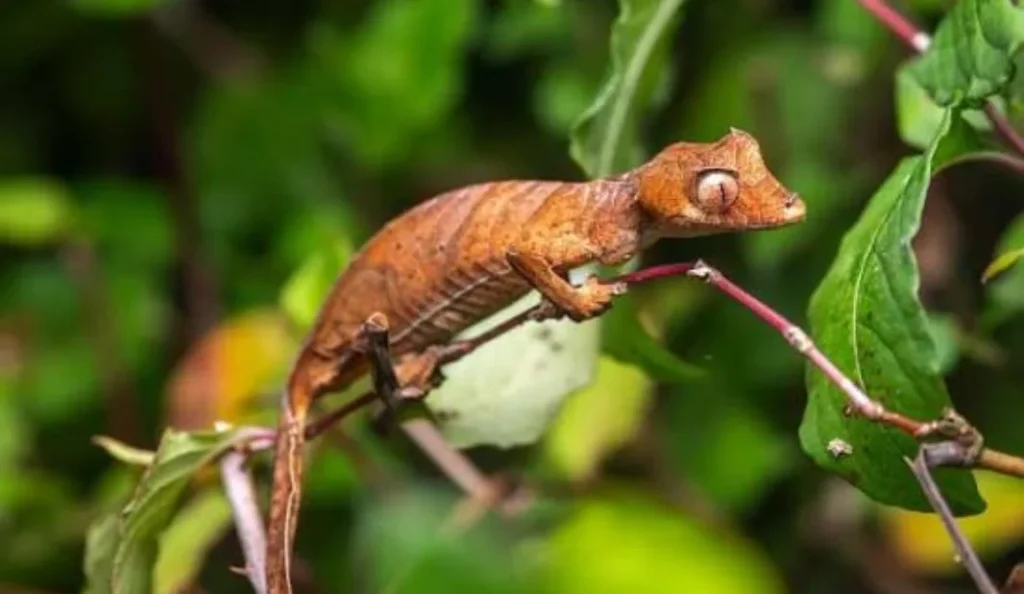 Because of its strange appearance, many reptile lovers search for information about satanic leaf-tailed gecko care, satanic leaf-tailed gecko lifespan, and whether this incredible gecko makes a good pet. Although these leaf-tailed geckos are beautiful and mysterious, they are also delicate animals that require special care. They are not ideal for everyone.
However, for experienced reptile keepers, the satanic leaf-tailed gecko can be one of the most rewarding exotic pets to observe. This guide covers everything you need to know about the leaf-tailed gecko, including its origin, habitat, diet, lifespan, care requirements, behavior, cleaning tips, fun activities, and important facts.
Satanic Leaf-Tailed Gecko Origin and History
The Satanic Leaf-Tailed Gecko (Uroplatus phantasticus) belongs to a unique group of gecko animals known as leaf-tailed geckos. These reptiles evolved incredible camouflage abilities that allow them to blend perfectly with leaves and tree bark.
Scientists first described this species in the late 1800s. Since then, it has become one of the most popular reptiles among exotic pet enthusiasts.
Unlike many other geckos, the leaf gecko gets its name from its leaf-shaped tail and strange horn-like projections above its eyes. Despite the name, it is completely harmless.
Why Is It Called Satanic Leaf-Tailed Gecko?
Many people ask, “Why is it called a satanic leaf-tailed gecko?”
The answer is simple. Its pointed eyes, unusual skin flaps, and “horns” make it look somewhat devilish. These features inspired the name “Satanic.” However, the gecko is neither dangerous nor aggressive.
Satanic Leaf-Tailed Gecko Habitat and Where Do They Live?
One of the most common questions online is:
Where is the Satanic Leaf-Tailed Gecko found?
These remarkable reptiles are native to the island of Madagascar.
They mainly live in:
- Tropical rainforests
- Humid forest floors
- Mossy trees
- Dense vegetation
- Leaf-covered environments
Because of their camouflage, they can disappear into dead leaves almost instantly.
Natural Habitat Conditions
| Habitat Factor | Requirement |
| Region | Madagascar |
| Climate | Tropical |
| Temperature | 68–78°F |
| Humidity | 70–90% |
| Environment | Dense forests |
| Lifestyle | Nocturnal |
| Activity | Tree climbing |
The humid forests of Madagascar provide the perfect environment for leaf-tailed geckos.
Appearance and Physical Characteristics
The Satanic Leaf-Tailed Gecko looks unlike almost any other reptile.
Physical Features
- Leaf-shaped tail
- Fringed body edges
- Large eyes
- Skinny body
- Bark-like skin texture
- Color-changing abilities
Their colors may include:
- Brown
- Gray
- Orange
- Yellow
- Black
Many reptile enthusiasts search for the black satanic leaf-tailed gecko, which is a darker color variation.
Satanic Leaf-Tailed Gecko Size
Another popular search term is satanic leaf-tailed gecko size.
These reptiles are relatively small.
| Measurement | Average Size |
| Body Length | 3–4 inches |
| Total Length | 7–9 inches |
| Weight | 30–60 grams |
A full-grown satanic leaf-tailed gecko usually reaches around 8 inches in total length. Although they are not large reptiles, they need sufficient climbing space.
Behavior and Personality
The leaf-tailed gecko is shy and secretive. Unlike some other geckos, these reptiles do not enjoy frequent handling.
Personality Traits
- Quiet
- Timid
- Non-aggressive
- Solitary
- Nocturnal
- Excellent climber
During the day, they remain motionless and blend into their surroundings. At night, they become active hunters.
Satanic Leaf-Tailed Gecko Lifespan
The satanic leaf-tailed gecko lifespan depends heavily on its care.
| Environment | Lifespan |
| Wild | 3–6 years |
| Captivity | 8–10 years |
| Excellent Care | Up to 10+ years |
Proper care significantly increases life expectancy.
Factors affecting lifespan include:
- Diet
- Stress
- Humidity
- Temperature
- Cleanliness
- Veterinary care
Satanic Leaf-Tailed Gecko Diet
The satanic leaf-tailed gecko diet mainly consists of insects. These reptiles are carnivorous hunters.
Foods They Eat
- Crickets
- Roaches
- Mealworms
- Waxworms
- Silkworms
- Small grasshoppers
A varied diet keeps them healthy.
Feeding Schedule
| Age | Feeding Frequency |
| Juvenile | Daily |
| Adult | Every 2–3 days |
Always dust feeder insects with:
- Calcium powder
- Vitamin D3
- Reptile multivitamins
Proper nutrition prevents metabolic bone disease.
What Foods Should Be Avoided?
Never feed:
- Fruits
- Vegetables
- Bread
- Processed foods
- Wild insects exposed to pesticides
- Large insects
Feeding unsuitable foods can lead to digestive issues.
Satanic Leaf-Tailed Gecko Care Guide
The phrase satanic leaf-tailed gecko care is searched by thousands of reptile enthusiasts every year. These reptiles are not beginner pets because their environmental requirements are strict. However, proper care can keep them healthy for many years.
Enclosure Size
| Age | Tank Size |
| Juvenile | 12x12x18 inches |
| Adult | 18x18x24 inches |
Vertical space is extremely important because this leaf gecko enjoys climbing.
Temperature Requirements
Daytime:
70–78°F
Night:
65–72°F
Avoid temperatures above 82°F because excessive heat can cause stress.
Humidity Requirements
Humidity should remain between:
- 70%–90%
Mist the enclosure:
- Morning
- Evening
High humidity helps with shedding and hydration.
Best Substrate
Suitable substrates include:
- Coconut fiber
- Organic soil
- Moss
- Leaf litter
These materials help maintain moisture levels.
Tank Setup for a Satanic Leaf-Tailed Gecko
A proper enclosure should mimic Madagascar’s rainforest.
Tank Essentials
- Branches
- Cork bark
- Live plants
- Leaf litter
- Hiding areas
- Humidity gauge
- Thermometer
A natural enclosure reduces stress and encourages natural behaviors.
Is the Satanic Leaf-Tailed Gecko a Good Pet?
A common search term is:
Satanic leaf-tailed gecko pet
So, is it a good pet?
The answer depends on experience level.
Good for:
- Experienced reptile keepers
- Exotic animal enthusiasts
- Observational pet owners
Not ideal for:
- Beginners
- Children
- People who handle pets frequently
These reptiles prefer to be observed rather than touched.
Can You Own a Satanic Leaf-Tailed Gecko?
Another common question is:
Can you own a Satanic Leaf-Tailed Gecko?
In many countries, yes.
However, local laws vary.
Always:
- Check wildlife regulations
- Buy captive-bred animals
- Avoid illegal wildlife trade
- Purchase from ethical breeders
Responsible ownership helps protect wild populations.
Satanic Leaf-Tailed Gecko Price
Searches for satanic leaf-tailed gecko price and satanic leaf-tailed gecko for sale are increasing.
| Type | Price |
| Captive-Bred Juvenile | $200–$400 |
| Adult | $300–$600 |
| Rare Morphs | Higher |
A black satanic leaf-tailed gecko for sale may cost more due to rarity and demand.
Are Satanic Leaf Tailed Geckos Endangered?
Many people ask:
Are Satanic Leaf Tailed Geckos Endangered?
Their populations face several threats:
- Habitat destruction
- Deforestation
- Illegal collection
- Climate changes
Because these leaf-tailed geckos depend heavily on Madagascar’s rainforests, habitat loss is a major concern. Supporting captive breeding and conservation programs is extremely important.
Breeding of Satanic Leaf-Tailed Gecko
Breeding the Satanic Leaf-Tailed Gecko is considered advanced-level reptile keeping. Unlike common gecko species, this species requires very stable environmental conditions and minimal stress.
Breeding Conditions
- Temperature: 72–78°F
- Humidity: 80–90%
- Dense foliage enclosure
- Low disturbance environment
- Proper feeding before breeding season
Breeding usually occurs during warmer months when humidity is naturally high.
Egg Laying Process
Female leaf-tailed geckos lay 1–2 eggs per clutch. These eggs are usually attached to leaves or hidden in moist substrate.
Incubation Period
- Duration: 60–120 days
- Temperature: 70–75°F
- Humidity: High and stable
Hatchlings
Baby leaf gecko hatchlings are fully independent. They do not receive parental care.
👉 Breeding is not recommended for beginners due to sensitivity and stress risks.
Male vs Female Satanic Leaf-Tailed Gecko
Understanding gender differences helps in proper care and breeding planning.
| Feature | Male | Female |
| Size | Slightly smaller | Slightly larger |
| Tail Shape | More pointed | Broader leaf shape |
| Behavior | More territorial | More calm |
| Color Intensity | Darker tones | Lighter tones |
| Clarity of markings | More defined | Softer patterns |
Males are more active during night hours, while females are generally more stable in temperament.
Predators of Satanic Leaf-Tailed Gecko
In the wild, these gecko animals face several natural threats.
Natural Predators
- Birds (especially night hunters)
- Snakes
- Large insects
- Small mammals
- Wild cats in Madagascar forests
Their survival strategy is camouflage, not speed or defense.
Defense Mechanism
- Body flattening against bark
- Tail mimicry (dead leaf appearance)
- Staying completely still
- Night activity to avoid daytime predators
This is why they are called one of the best camouflage reptiles in the world.
Satanic Leaf-Tailed Gecko vs Other Leaf Geckos
This comparison helps improve SEO topical authority.
| Feature | Satanic Leaf-Tailed Gecko | Other Leaf Geckos |
| Appearance | Most dramatic leaf mimic | Moderate camouflage |
| Size | Small (7–9 inches) | Varies |
| Behavior | Extremely shy | Slightly more active |
| Handling | Not recommended | Limited handling possible |
| Habitat | Madagascar forests | Various tropical regions |
| Difficulty | Advanced care | Medium to advanced |
👉 The leaf-tailed gecko is the most visually unique among all leaf gecko animals.
Beginner Mistakes in Satanic Leaf-Tailed Gecko Care
Many beginners fail because they treat it like a common pet reptile.
Common Mistakes
- Low humidity setup
- Over-handling
- Wrong temperature range
- Poor ventilation
- Inadequate vertical space
- Feeding only one type of insect
- Using dry substrate
- Bright lighting at night
Result of Mistakes
- Stress
- Refusing food
- Shedding issues
- Short lifespan
- Weak immune system
👉 Proper research is essential before keeping a satanic-tailed gecko.
Shedding Process of Satanic Leaf-Tailed Gecko
Shedding is a natural and important biological process.
How Shedding Works
The skin of the leaf gecko loosens and comes off in layers.
Frequency
- Juveniles: Every 3–4 weeks
- Adults: Every 6–8 weeks
Signs of Shedding
- Dull skin color
- Reduced appetite
- Increased hiding behavior
- Cloudy eyes
Shedding Problems
If humidity is low, shedding becomes difficult and dangerous.
Helping the Gecko
- Increase misting
- Provide a moist hide box
- Avoid handling during shedding
Cleaning and Maintenance
Although these gecko animals are relatively low-maintenance, their enclosure still requires regular cleaning.
Daily Cleaning
- Remove waste
- Remove dead insects
- Check humidity
- Refill water
Weekly Cleaning
- Wipe glass
- Clean decorations
- Remove mold
- Replace dirty substrate
Monthly Cleaning
- Deep clean enclosure
- Disinfect accessories
- Inspect for parasites
A clean environment reduces disease risk and improves lifespan.
Fun Activities for a Leaf-Tailed Gecko
Even though these reptiles are not playful like dogs or cats, you can still provide enrichment.
Fun Activities
- Rearrange branches
- Add new climbing areas
- Introduce safe plants
- Create hiding spots
- Offer different insect hunting opportunities
Watching a leaf-tailed gecko hunt insects at night can be surprisingly entertaining.
Does the Satanic Leaf-Tailed Scream?
Many people search:
Satanic leaf-tailed scream?
Yes, they can make sounds.
Although usually quiet,
these reptiles may:
- Chirp
- Click
- Squeak
- Produce distress sounds
Vocalizations usually occur when they feel threatened or stressed.
Satanic Leaf-Tailed Facts
Here are some fascinating satanic leaf-tailed gecko facts:
- Scientific name: Uroplatus phantasticus
- Family: Gekkonidae
- Native to Madagascar
- Nocturnal species
- Excellent camouflage
- Insect-eating reptile
- Arboreal lifestyle
- Sensitive to environmental changes
- Can flatten its body against tree bark
- One of the world’s most unique gecko animal species
Their camouflage is considered one of the greatest examples of mimicry in the animal kingdom.
Common Health Problems
Like other gecko animal species, they may experience:
Metabolic Bone Disease
Caused by:
- Calcium deficiency
- Lack of Vitamin D3
Dehydration
Caused by:
- Low humidity
- Poor misting
Shedding Problems
Caused by:
- Dry conditions
- Inadequate hydration
Stress
Caused by:
- Excessive handling
- High temperatures
- Improper tank setup
Regular monitoring helps prevent serious problems.
Expert Care Tips
Based on reptile husbandry principles and the experiences of professional keepers, the following practices improve success rates with the Satanic Leaf-Tailed Gecko:
- Maintain stable humidity.
- Avoid frequent handling.
- Use a vertical enclosure.
- Feed varied insects.
- Supplement calcium.
- Purchase captive-bred specimens.
- Observe behavior daily.
- Keep temperatures moderate.
- Provide plenty of hiding places.
- Clean the enclosure regularly.
Experienced keepers consistently report that stress reduction is one of the most important factors in keeping satanic leaf-tailed geckos healthy.
Pros and Cons of Owning a Satanic Leaf-Tailed Gecko
| Pros | Cons |
| Unique appearance | Sensitive species |
| Incredible camouflage | Not beginner-friendly |
| Quiet pet | High humidity needs |
| Small size | Does not enjoy handling |
| Fascinating behavior | Can become stressed easily |
FAQs
1. What is a Satanic Leaf-Tailed Gecko?
The Satanic Leaf-Tailed Gecko is a small nocturnal reptile from Madagascar known for its incredible leaf-like camouflage that helps it blend into trees and forest environments.
2. Why is it called a Satanic Leaf-Tailed Gecko?
It is called “satanic” because of its unusual appearance, including horn-like eyes and a leaf-shaped tail that gives it a slightly devilish look, although it is completely harmless.
3. Where is the Satanic Leaf-Tailed found?
This leaf-tailed gecko is native to the rainforests of Madagascar, where it lives in humid, dense, and leafy environments.
4. What does a Satanic Leaf-Tailed eat?
The leaf-tailed gecko’s diet mainly consists of insects such as crickets, roaches, moths, and small worms. It is a strict insect-eating reptile.
5. How big does a Leaf-Tailed Gecko get?
A full-grown leaf-tailed gecko is usually around 7 to 9 inches in total length, including its leaf-shaped tail.
6. How long does a Satanic Leaf-Tailed live?
The satanic leaf-tailed gecko’s lifespan is around 8 to 10 years in captivity when properly cared for, but it is shorter in the wild.
7. Can you keep a Leaf-Tailed Gecko as a pet?
Yes, you can keep a leaf-tailed gecko as a pet, but it is only recommended for experienced reptile keepers due to its sensitive care requirements.
8. Are Satanic Leaf-Tailed Geckos endangered?
They are not currently critically endangered, but habitat loss and deforestation in Madagascar are major threats to their population.
9. How much does a Satanic Leaf-Tailed cost?
The Satanic Leaf-Tailed Gecko price usually ranges between $200 and $600 depending on age, health, and rarity, especially for captive-bred specimens.
10. Can a Satanic Leaf-Tailed Gecko scream or make sounds?
Yes, the Satanic Leaf-Tailed Gecko’s scream is rare, but they can make chirping, clicking, or squeaking sounds when they feel threatened or stressed.
Final Thoughts
The Satanic Leaf-Tailed Gecko is one of the most extraordinary geckos on Earth. Its leaf-shaped body, remarkable camouflage, and mysterious behavior make it an unforgettable reptile. However, this leaf-tailed gecko is not a beginner pet.
It requires proper humidity, careful feeding, and a well-designed rainforest enclosure. For experienced reptile enthusiasts, though, the satanic-tailed gecko can be an incredibly rewarding species to keep. With proper care, a healthy diet, and a stress-free environment, these amazing leaf-tailed geckos can thrive.
I’ve also written helpful guides in the Animals category on Petstdigo, including detailed posts in the Care and Cleaning sections. These articles cover practical tips on pet grooming, skin and coat health, bathing routines, and overall well‑being. If you’re interested in learning more about how to keep your pet happy and healthy, feel free to explore those pages for useful advice and insights.