
The Glass Catfish is one of the most unusual and beautiful freshwater fish found in home aquariums today. Because of its transparent body, peaceful nature, and graceful swimming style, this fascinating species has become increasingly popular among aquarium enthusiasts worldwide.
Many aquarists also call this fish:
- Ghost catfish
- Ghost glass catfish
- Clear catfish
- Glass ghost catfish
- Phantom glass catfish
- Tropical transparent fish
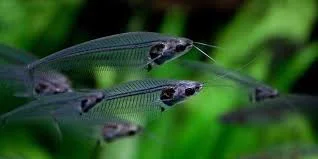 Unlike colorful, aggressive fish, Catfish offer a calm and elegant appearance. In fact, their almost invisible bodies create a stunning visual effect in planted aquariums. Moreover, they are considered one of the most peaceful freshwater fish available for community tanks.
However, proper catfish care is essential because these fish can become stressed in poor water conditions. Therefore, understanding their habitat, feeding habits, tank setup, and social behavior is extremely important before bringing them home.
According to experienced aquarists, Glass Catfish thrive best in stable aquariums with peaceful tank mates, gentle filtration, and clean water. Aquarium experts also recommend keeping them in groups because they are naturally schooling catfish species.
In this complete guide, you will learn:
- Glass catfish tank size
- Catfish lifespan
- Catfish tank mates
- What do glass catfish eat
- How big do glass catfish get
- Ghost catfish care
- Cleaning routines
- Fun activities
- Breeding tips
- Common diseases
- Expert aquarium advice
- And much more
What Is a Glass Catfish?
The Glass Catfish is a rare aquarium catfish known for its transparent body and peaceful behavior. Scientifically, it belongs to the species Kryptopterus vitreolus.
Because of its clear body, you can often see:
- Its spine
- Internal organs
- Swimming movement inside the body
This transparent aquarium fish is native to Southeast Asia and naturally lives in slow-moving freshwater environments.
Origin and Natural Habitat
Where Do Glass Catfish Live?
Catfish mainly come from:
- Thailand
- Indonesia
- Malaysia
- Cambodia
The Thai Glass Catfish is one of the most common species available in the aquarium trade.
In the wild, these freshwater ghost fish live in:
- Slow rivers
- Flooded forests
- Calm streams
- Dense planted waterways
Additionally, they prefer areas with:
- Gentle water movement
- Soft lighting
- Dense vegetation
- Clean freshwater conditions
Based on freshwater fishkeeping experience, recreating this environment in captivity greatly improves their health and lifespan.
Glass Catfish Appearance
The transparent body is the most famous feature of the Catfish.
Unique Physical Features
| Feature | Description |
| Body | Transparent |
| Size | 4–5 inches |
| Color | Clear with silver shine |
| Whiskers | Long barbels |
| Swimming Style | Smooth and graceful |
| Temperament | Peaceful |
Because of their ghost-like appearance, they are often called ghost glass catfish or glass ghost catfish.
Glass Catfish Size and Growth
Glass Fish Size Explained
Many beginners ask:
- How big do glass fish get?
- How big do ghost fish get?
Under proper care, the average glass fish size reaches around 4 to 5 inches.
However, several factors affect growth:
- Diet quality
- Tank size
- Water quality
- Stress levels
- Group size
Larger aquariums usually help these tropical transparent fish grow more comfortably.
Glass Catfish Lifespan
The average catfish lifespan is:
- 5 to 8 years
Some healthy specimens may live even longer in ideal conditions. According to aquarium experts, stable water conditions are one of the biggest factors affecting lifespan.
Catfish Tank Size
Choosing the correct catfish tank size is extremely important for long-term health.
Recommended Tank Sizes
| Number of Fish | Minimum Tank Size |
| 5 Fish | 20 Gallons |
| 6–8 Fish | 30 Gallons |
| 10+ Fish | 40+ Gallons |
Because they are schooling fish, larger groups require larger aquariums.
Best Catfish Tank Setup
Creating a natural environment helps reduce stress significantly.
Ideal Water Parameters
| Parameter | Ideal Range |
| Temperature | 75°F–80°F |
| pH | 6.5–7.5 |
| Water Hardness | Soft to Moderate |
| Water Flow | Gentle |
| Lighting | Low to Medium |
Maintaining proper catfish temperature is essential because sudden temperature swings can weaken their immune system.
Best Aquarium Decorations
Glass Catfish prefer calm and planted aquariums.
Recommended Decorations
- Driftwood
- Live aquarium plants
- Floating plants
- Smooth rocks
- Dark substrate
- Natural hiding spots
Additionally, shaded areas help these shy fish feel secure.
Best Plants for Glass Catfish
The following plants work extremely well:
- Java Fern
- Hornwort
- Vallisneria
- Anubias
- Amazon Sword
- Water Sprite
These plants also improve oxygen levels and water quality naturally.
Glass Catfish Diet and Feeding Guide
One of the most searched questions is:
What Do Glass Catfish Eat?
Glass Catfish are omnivores. Therefore, they need both protein and plant-based foods.
Best Foods for Glass Catfish
Protein Foods
- Bloodworms
- Brine shrimp
- Daphnia
- Mosquito larvae
Dry Foods
- Sinking pellets
- Tropical flakes
- Micro granules
Frozen Foods
- Frozen bloodworms
- Frozen shrimp
- Frozen plankton
According to experienced aquarists, variety is extremely important for healthy growth.
Glass Catfish Feeding Chart
| Food Type | Frequency |
| Flakes/Pellets | Daily |
| Frozen Foods | 2–3 Times Weekly |
| Live Foods | Weekly |
| Vegetables | Occasionally |
Avoid overfeeding because leftover food can quickly pollute the water.
Glass Catfish Tank Mates
Choosing suitable glass catfish tank mates is essential because these fish are naturally peaceful. Similarly, ghost catfish tank mates should also be calm and non-aggressive.
Best Glass Catfish Tank Mates
| Fish Species | Compatibility |
| Neon Tetras | Excellent |
| Corydoras | Excellent |
| Harlequin Rasboras | Excellent |
| Kuhli Loaches | Excellent |
| Ember Tetras | Excellent |
| Honey Gouramis | Good |
These peaceful freshwater fish help create a calm community aquarium.
Tank Mates to Avoid
Avoid aggressive fish such as:
- Oscars
- Tiger Barbs
- Large Cichlids
- Fin Nippers
Aggressive species may stress or injure Glass Catfish.
Glass Catfish Care Guide
Proper glass catfish care depends mainly on consistency. Fortunately, maintaining healthy conditions becomes easier once the aquarium stabilizes.
Daily Care Checklist
- Observe fish behavior
- Remove leftover food
- Check temperature
- Monitor swimming activity
Weekly Care Routine
| Task | Frequency |
| Water Change | Weekly |
| Glass Cleaning | Weekly |
| Gravel Vacuuming | Weekly |
| Water Testing | Weekly |
| Filter Check | Monthly |
Aquarium experts recommend changing around 20–30% of the water every week.
Cleaning Tips for Glass Catfish Tanks
Clean aquariums help prevent disease and stress.
Important Cleaning Tips
- Never replace all water at once
- Use gentle filtration
- Avoid strong currents
- Remove dead plant leaves
- Clean algae regularly
Because Glass Catfish are sensitive fish, sudden environmental changes should always be avoided.
Common Glass Catfish Diseases
Even healthy fish can occasionally become sick.
Common Problems
Ich Symptoms:
- White spots
- Rapid breathing
- Scratching behavior
Fin Rot Symptoms:
- Torn fins
- Redness
- Weak movement
Stress Symptoms:
- Constant hiding
- Loss of appetite
- Pale appearance
According to aquarium professionals, stable water quality is the best disease prevention method.
Pregnant Glass Catfish and Breeding
Many hobbyists search for:
- pregnant glass catfish
- glass catfish pregnant
However, breeding Glass Catfish in home aquariums remains uncommon.
Breeding Behavior
During breeding:
- Females become fuller
- Males chase females
- Eggs are scattered near plants
Warm temperatures and rainy-season conditions may encourage spawning behavior.
Baby Glass Catfish Care
Baby Glass Catfish require:
- Tiny live foods
- Gentle filtration
- Stable water conditions
- Frequent monitoring
Because fry are very delicate, breeding success can be challenging.
Fun Activities and Enrichment
Glass Catfish may look calm, but they still enjoy environmental stimulation.
Fun Aquarium Activities
Add Gentle Water Flow
They enjoy swimming through soft currents.
Rearrange Plants Occasionally
This encourages exploration behavior.
Create Shaded Areas
Floating plants make them feel secure.
Offer Live Foods Sometimes
This stimulates natural hunting instincts.
Why Is My Glass Catfish Hiding?
Hiding is usually caused by:
- Stress
- Small group size
- Aggressive tank mates
- Bright lighting
- Poor water quality
Fortunately, proper care usually improves confidence over time.
Are Glass Catfish Good Pets?
Yes, Catfish are excellent pets for peaceful aquarium owners.
They are especially suitable for:
- Community aquariums
- Planted tanks
- Calm fish keepers
- Intermediate hobbyists
However, beginners should still research proper ghost catfish care before purchasing them.
Glass Catfish Price and Availability
Catfish for Sale
Catfish for sale are commonly available in:
- Local pet stores
- Aquarium shops
- Online fish retailers
The average catfish price usually ranges between:
- $5–$15 per fish
Similarly, catfish for sale listings are common online.
Beginner Mistakes to Avoid
New owners often make these mistakes:
- Keeping only one fish
- Overfeeding
- Using small tanks
- Adding aggressive tank mates
- Ignoring water quality
Avoiding these issues greatly improves survival and lifespan.
Expert EEAT Aquarium Advice
According to experienced aquarists, Glass fish thrive best in peaceful planted aquariums with stable conditions.
Aquarium experts recommend:
- Keeping them in groups
- Avoiding sudden water changes
- Maintaining stable temperatures
- Feeding varied diets
- Using high-quality filtration systems
Based on freshwater fishkeeping experience, consistency is far more important than expensive equipment.
Interesting Facts About Catfish
- They are one of the rare aquarium catfish species with transparent bodies
- Their spine is often visible
- They are naturally schooling fish
- They prefer dim lighting
- They become stressed easily in noisy tanks
- They are highly sensitive to poor water quality
Because of these traits, Glass Fish remain one of the most fascinating transparent aquarium fish in the hobby.
FAQ’s
1. How big do Glass Catfish get?
Glass Catfish usually grow between 4 and 5 inches long in a properly maintained aquarium with good food and stable water conditions.
2. Are Catfish aggressive?
No, Catfish are peaceful freshwater fish that do well in calm community aquariums with non-aggressive tank mates.
3. What do Glass Fish eat?
Glass fish eat bloodworms, brine shrimp, sinking pellets, frozen foods, micro granules, and high-quality tropical fish flakes.
4. How many Catfish should be kept together?
Catfish should be kept in groups of at least 5 to 6 because they are schooling fish and feel safer in larger groups.
5. What is the ideal Glass Catfish tank size?
A minimum 20-gallon aquarium is recommended for a small group of Glass Catfish, while larger groups need 30 gallons or more.
6. Can Catfish live alone?
Glass Catfish should not live alone because they may become stressed, hide constantly, and stop eating properly without a group.
7. What are the best Glass Catfish tank mates?
The best Catfish tank mates include Neon Tetras, Corydoras, Harlequin Rasboras, Kuhli Loaches, and other peaceful freshwater fish.
8. Why is my Catfish hiding all the time?
Catfish usually hide because of stress, bright lighting, aggressive tank mates, poor water quality, or being kept in small groups.
9. What is the average Glass Catfish lifespan?
The average Glass Catfish lifespan is around 5 to 8 years when they are kept in clean water with proper care and nutrition.
10. Are Glass Fish hard to care for?
Glass fish are moderately easy to care for. However, they need stable water conditions, peaceful tank mates, and proper group living to stay healthy.
Final Thoughts
The Glass Catfish is truly one of the most unique and peaceful freshwater fish you can keep in a home aquarium. Its transparent body, calm behavior, and graceful swimming style make it a favorite among aquarium enthusiasts worldwide.
Although these fish can be slightly sensitive, proper glass catfish care helps them thrive for many years. Keeping them in groups, maintaining clean water, and providing a peaceful environment are the keys to success. Whether you call them ghost fish, clear catfish, phantom glass fish, or glass ghost catfish, these elegant fish can transform an ordinary aquarium into a stunning underwater display.
If you found this guide helpful, consider sharing it with other aquarium hobbyists. You can also explore more beginner-friendly aquarium fish care guides to build the perfect peaceful freshwater aquarium.
I’ve created helpful guides in the Birds category on Petstdigo, featuring posts in Care, Cleaning, and Fun Activities. These guides share practical tips on grooming, skin and coat health, bathing routines, nutrition, playtime ideas, and calming solutions to keep your pets happy and healthy. Explore these pages for easy-to-follow advice and insights to support your pet’s overall well-being.