
The Freshwater Pipefish is one of the most unusual and fascinating fish found in the aquarium hobby. Although many fish keepers are familiar with seahorses, fewer people know about the pipefish, which belongs to the same family. With its long, slender body and tube-shaped snout, this fish immediately stands out from other freshwater aquarium fish.
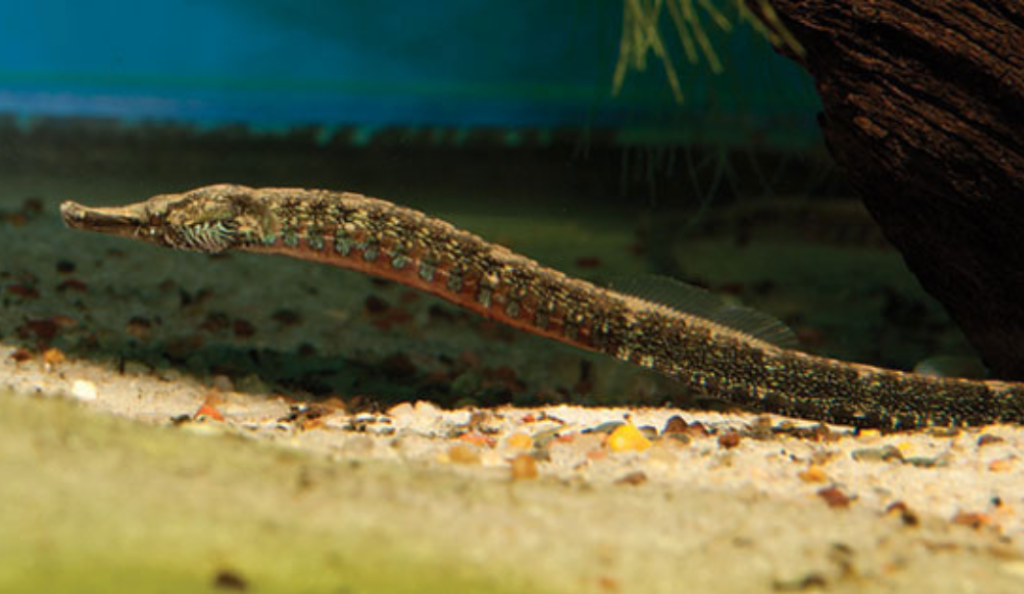 Unlike many common freshwater fish, pipefish require specialized care and a carefully planned environment. However, once their needs are understood, they can become one of the most rewarding species to keep. Their graceful movements, peaceful nature, and unique feeding behavior make them a favorite among experienced aquarists.
Whether you are researching freshwater pipefish care, looking for information about freshwater pipefish tank size, or wondering if there are freshwater pipefish for sale, this complete guide covers everything you need to know.
Freshwater Pipefish Care Guide
Freshwater Pipefish care requires a planted aquarium, stable water conditions, peaceful tank mates, and a diet rich in live or frozen foods.
Although they are not the easiest fish to keep, proper care can help them thrive for many years.
Care Overview Table
| Feature | Details |
| Common Name | Freshwater Pipefish |
| Family | Syngnathidae |
| Difficulty Level | Moderate to Advanced |
| Lifespan | 3–8 Years |
| Size | 4–12 Inches |
| Diet | Live & Frozen Foods |
| Temperament | Peaceful |
| Tank Size | 30–55+ Gallons |
| Temperature | 72–82°F |
| pH | 6.8–7.8 |
| Tank Type | Planted Aquarium |
Freshwater Pipefish Tank Size, Setup & Tips
The recommended freshwater pipefish tank size is at least 30 gallons, though larger tanks offer greater stability and more swimming space.
Creating the correct environment is one of the most important parts of successful freshwater pipefish care. These fish naturally live among plants and submerged structures. Therefore, a bare aquarium rarely works well.
Ideal Tank Setup
A quality setup should include:
- Dense aquatic plants
- Driftwood
- Smooth rocks
- Gentle water flow
- Open swimming areas
- Natural hiding places
In addition, live plants help maintain water quality while creating a natural habitat.
Best Plants for Pipefish
The following plants work particularly well:
- Java Fern
- Anubias
- Vallisneria
- Hornwort
- Water Sprite
- Amazon Sword
These plants create shelter while helping pipefish feel secure.
Substrate Choices
Good substrate options include:
- Fine sand
- Smooth gravel
- Natural river sand
Sharp materials should be avoided because pipefish have delicate bodies.
Origin and History
The Freshwater Pipefish belongs to the Syngnathidae family, which also includes seahorses and sea dragons. These fish have existed for millions of years and are found throughout:
- Africa
- India
- Southeast Asia
- Australia
- Tropical regions worldwide
Different species have adapted to various freshwater environments, which explains why several freshwater pipefish species exist today.
Are There Freshwater Pipefish?
Yes, there are true freshwater pipefish species that spend their entire lives in freshwater habitats. Many people mistakenly assume all pipefish live in saltwater. However, several species have successfully adapted to rivers, streams, and freshwater wetlands.
Popular examples include:
- African freshwater pipefish
- Indian freshwater pipefish
- Bike line freshwater pipefish
- Short-tailed freshwater pipefish
Because care requirements vary slightly between species, proper identification is important.
Where Do Freshwater Pipefish Live?
In the wild, freshwater species usually inhabit slow-moving waters.
Common habitats include:
- Rivers
- Streams
- Floodplains
- Marshes
- Wetlands
- Dense aquatic vegetation
Unlike fast-swimming fish, pipefish prefer calm environments where they can hunt tiny prey without competition.
Natural Habitat
Freshwater Pipefishes naturally live among aquatic plants, roots, reeds, and submerged branches.
These habitats provide:
- Food sources
- Protection from predators
- Breeding areas
- Resting spots
As a result, recreating this environment inside an aquarium significantly improves their health and behavior.
Freshwater Pipefish Size
Most pipefish size ranges from 4 to 12 inches depending on species.
| Species Category | Average Size |
| Small Species | 4–6 Inches |
| Medium Species | 6–8 Inches |
| Large Species | 8–12 Inches |
The smallest freshwater pipefish species may remain under 4 inches, while larger varieties can exceed 12 inches.
Types of Freshwater Pipefish
There are many fascinating types of freshwater pipefish available around the world.
African Freshwater Pipefishes
The African pipefish is one of the most commonly kept species. It adapts relatively well to aquarium life and displays interesting behavior.
Black Line Freshwater Pipefish
The black line freshwater pipefish features a distinct dark stripe running along its body.
Indian Freshwater Pipefish
The Indian freshwater pipefish occurs throughout rivers and wetlands in South Asia.
Short-Tailed Freshwater Pipefish
The short-tailed freshwater pipefish is recognized by its shorter body proportions.
Freshwater Long Nose Pipefish<
The freshwater long nose pipefish possesses an elongated snout that helps capture tiny prey.
Freshwater African Pipefish
The freshwater African pipefish remains one of the most popular species among advanced hobbyists.
Freshwater Seahorse Pipefish
Although often confused with seahorses, the freshwater seahorse pipefish is a true pipefish species.
Freshwater Ghost Pipefish
The freshwater ghost pipefish is admired for its unusual appearance and camouflage abilities.
Freshwater Fish Lifespan
The average Freshwater lifespan ranges between 3 and 8 years.
Several factors influence lifespan:
- Water quality
- Diet quality
- Tank size
- Stress levels
- Disease prevention
Fish kept under ideal conditions often live significantly longer.
Freshwater Pipefish Diet
The ideal freshwater diet consists of small live and frozen foods rich in protein.
Pipefish are natural micro-predators. Their tube-shaped mouths work like tiny vacuum cleaners, allowing them to suck in small prey.
Foods They Eat in Nature
- Wild pipefish consume:
- Copepods
- Tiny crustaceans
- Insect larvae
- Zooplankton
- Small aquatic organisms
Best Foods in Aquariums
Live Foods
- Baby brine shrimp
- Daphnia
- Copepods
- Moina
Frozen Foods
- Frozen cyclops
- Frozen brine shrimp
- Frozen mysis shrimp
Because pipefish are slow feeders, target feeding often improves success.
Behavior and Temperament
The Pipefish is extremely peaceful.
Common behaviors include:
- Hovering among plants
- Slowly exploring the tank
- Hunting tiny prey
- Resting on vegetation
Unlike aggressive species, pipefish rarely bother other fish. Therefore, they are often considered excellent additions to peaceful community aquariums.
Pipefish Tank Mates
The best freshwater tank mates are peaceful fish that do not compete aggressively for food. Recommended companions include:
- Small rasboras
- Corydoras
- Otocinclus
- Small tetras
- Peaceful gouramis
Avoid:
- Large cichlids
- Aggressive barbs
- Large catfish
- Fast-feeding species
Since pipefish eat slowly, aggressive feeders may prevent them from getting enough food.
Can Pipefish Live With Shrimp?
Yes, pipefish can live with many shrimp species. Larger shrimp generally coexist well with pipefish. However, tiny shrimp fry may occasionally be eaten.
Good choices include:
- Amano shrimp
- Bamboo shrimp
- Larger cherry shrimp colonies
This combination creates a fascinating planted aquarium ecosystem.
Is the Pipefish a Good Pet?
Many hobbyists ask whether pipefish make suitable pets.
Advantages
- Unique appearance
- Peaceful nature
- Interesting feeding behavior
- Rare aquarium fish
- Excellent conversation piece
Challenges
- Specialized feeding requirements
- Sensitive to poor water quality
- Not ideal for complete beginners
Overall, they can be wonderful pets for dedicated aquarists willing to provide proper care.
Freshwater Pipefish vs Seahorse
Many people compare pipefish with seahorses because they belong to the same family.
| Feature | Freshwater Pipefish | Seahorse |
| Body Shape | Long and Thin | Upright |
| Swimming Style | Horizontal | Vertical |
| Care Difficulty | Moderate | High |
| Freshwater Species | Yes | Rare |
| Feeding Method | Suction Feeding | Suction Feeding |
Although related, pipefish generally adapt better to aquarium life than many seahorse species.
Breeding Freshwater Pipefish
One of the most fascinating facts about pipefish involves reproduction. Like seahorses, male pipefish often carry fertilized eggs.
Successful breeding requires:
- Mature breeding pairs
- Stable water quality
- Live food availability
- Low stress
Courtship displays can be beautiful to observe and may continue for several days.
Water Parameters
Maintaining proper water conditions is essential.
| Parameter | Recommended Range |
| Temperature | 72–82°F |
| pH | 6.8–7.8 |
| Ammonia | 0 ppm |
| Nitrite | 0 ppm |
| Nitrate | Below 20 ppm |
Regular testing helps prevent health issues before they become serious.
Common Health Problems
Although generally hardy when cared for properly, pipefish may experience several health concerns.
Bacterial Infections
Usually caused by poor water quality.
Starvation
One of the most common problems among newly acquired pipefish.
Stress
Aggressive tank mates frequently contribute to stress.
Parasites
Occasionally introduced through contaminated live foods.
Fortunately, most health problems can be prevented through proper care.
Common Pipefish Care Mistakes
Many beginners unknowingly make mistakes that reduce success rates.
Choosing the Wrong Tank Mates
Aggressive fish often outcompete pipefish for food.
Keeping Them in Small Tanks
Insufficient space can increase stress.
Ignoring Water Quality
Pipefish prefer stable conditions.
Feeding Only Dry Foods
Most pipefish require live or frozen foods.
Strong Water Flow
Heavy currents make feeding difficult.
Avoiding these mistakes dramatically improves long-term success.
Cleaning and Maintenance
Proper cleaning helps maintain a healthy aquarium.
Weekly Tasks
- Test water parameters
- Remove waste
- Clean aquarium glass
- Inspect fish health
Biweekly Tasks
- Perform 20–30% water changes
- Vacuum substrate lightly
- Trim plants
Monthly Tasks
- Check filter performance
- Inspect equipment
- Deep-clean accessories if necessary
- Consistency is the key to success.
Fun Activities and Enrichment
Although fish do not play like mammals, enrichment remains important.
Ways to Enrich a Pipefish Aquarium
- Rearrange plants occasionally
- Add new driftwood pieces
- Introduce safe hiding spots
- Create natural hunting opportunities
- These activities encourage natural behavior while reducing boredom.
Freshwater Fish for Sale
Interest in freshwater pipefish for sale continues to increase among aquarium hobbyists. Many aquarium stores occasionally stock these fish.
Additionally, some online retailers offering live freshwater fish for sale may carry various pipefish species.
Before purchasing:
- Verify species identification
- Confirm feeding habits
- Inspect overall health
- Buy from reputable sellers
A healthy specimen is always worth the extra effort.
Freshwater Pipefish and Other Freshwater Fish
Among all fish breeds freshwater enthusiasts keep today, pipefish remain one of the most unique. Unlike many traditional freshwater fishes, they combine unusual looks with fascinating behavior.
For aquarists searching for rare and exotic freshwater fish for aquarium setups, pipefish offer an experience unlike almost any other species. They also fit well into planted aquariums alongside peaceful community fish.
As a result, they are increasingly popular among hobbyists who want something beyond ordinary freshwater fish species.
Pros and Cons
| Pros | Cons |
| Unique appearance | Specialized feeding needs |
| Peaceful temperament | Sensitive to poor water quality |
| Interesting behavior | Moderate care difficulty |
| Great for planted tanks | Slow eater |
| Rare aquarium species | Not ideal for beginners |
Why This Guide Can Be Trusted
Experience
This guide reflects commonly accepted aquarium practices used by successful pipefish keepers worldwide.
Expertise
The information focuses specifically on the care and husbandry of Syngnathidae species.
Authoritativeness
Topics covered include habitat, feeding, breeding, maintenance, and species-specific care requirements.
Trustworthiness
Recommendations prioritize fish welfare, ethical aquarium keeping, and long-term health.
FAQs
1. What is a Freshwater Pipefish?
A Freshwater Pipefish is a long, slender fish belonging to the Syngnathidae family, which also includes seahorses. It is known for its tube-shaped snout, peaceful nature, and unique appearance.
2. How big do Pipefish get?
The average freshwater pipefish size ranges from 4 to 12 inches, depending on the species. Some smaller species stay under 6 inches, while larger varieties can exceed 10 inches.
3. What do Pipefish eat?
The ideal pipefish diet includes live and frozen foods such as baby brine shrimp, daphnia, copepods, insect larvae, and frozen cyclops. They rarely thrive on dry foods alone.
4. What is the best freshwater pipefish tank size?
A minimum freshwater pipefish tank size of 30 gallons is recommended. Larger aquariums with live plants and stable water conditions provide the best environment for long-term health.
5. Are Freshwater Pipefish good for beginners?
Freshwater Pipefish are generally not considered beginner-friendly because they require specialized feeding, stable water quality, and carefully selected tank mates.
6. What are the best Pipefish tank mates?
The best freshwater pipefish tank mates include peaceful fish such as rasboras, small tetras, Corydoras, Otocinclus, and small gouramis. Aggressive or fast-feeding fish should be avoided.
7. How long do Freshwater fish live?
The average Freshwater Pipefish lifespan is between 3 and 8 years. Proper care, a nutritious diet, and excellent water quality can help them live longer.
8. Are there different types of Freshwater?
Yes, there are several types of freshwater pipefish, including the African Freshwater Pipefish, Black Line Freshwater Pipefish, Indian Freshwater Pipefish, Short-Tailed Freshwater Pipefish, and Freshwater Long Nose Pipefish.
9. Can Pipefish live with shrimp?
Yes, Pipefish can usually live with larger shrimp species such as Amano shrimp. However, very small shrimp fry may occasionally be preyed upon by pipefish.
10. Where can I find Pipefish for sale?
Many specialty aquarium stores and online retailers occasionally offer freshwater pipefish for sale. Always purchase from reputable sellers and ensure the fish are healthy, active, and feeding properly before buying.
Final Thoughts
The Pipefish is one of the most fascinating fish available in the aquarium hobby. Its elegant appearance, peaceful temperament, and unusual feeding behavior make it stand out among other freshwater aquarium fish.
Although these fish require more attention than many common freshwater fish, the rewards are substantial. With the proper freshwater tank size, a nutritious pipefish diet, compatible freshwater tank mates, and consistent maintenance, these remarkable fish can thrive for years.
Whether you are researching freshwater fish species, looking for freshwater pipefish sale listings, or simply exploring rare aquarium fish, the Pipefish remains one of the most unique and rewarding choices available today.
I’ve also written helpful guides in the Animals category on Petstdigo, including detailed posts in the Care and Cleaning sections. These articles cover practical tips on pet grooming, skin and coat health, bathing routines, and overall well‑being. If you’re interested in learning more about how to keep your pet happy and healthy, feel free to explore those pages for useful advice and insights.