
The Kakariki Parrot is one of the most energetic, intelligent, and entertaining pet birds you can own. Native to New Zealand, these colorful parrots are loved for their playful personality, curious nature, and constant activity. Unlike many other parrots that spend much of their day sitting on perches, Kakarikis enjoy running, climbing, digging, and exploring every corner of their environment.
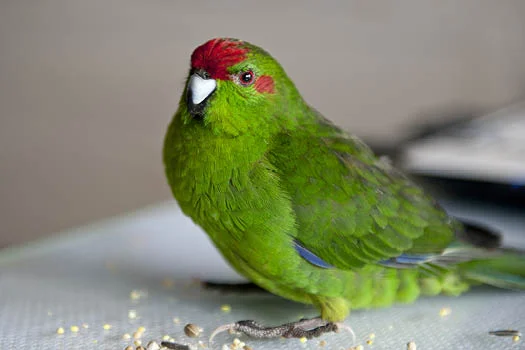 If you are wondering how to look after a Kakariki Parrot, this complete guide covers everything you need to know. From choosing the right cage and feeding a balanced diet to understanding Kakariki lifespan, behavior, health, and cleaning routines, you’ll learn how to provide the best care possible.
Whether you already own a Kakariki bird or are searching for Kakariki parrots for sale, this guide will help you make informed decisions while giving your feathered companion a healthy and enriching life.
Everything You Should Know About the Kakariki Parrot
Before bringing home a Kakariki Parrot, it is important to understand its natural lifestyle. These birds have different needs compared to many common pet parrots because they are extremely active and naturally spend much of their time foraging on the ground.
Kakariki Parrot Overview
| Feature | Details |
| Common Name | Kakariki Parrot |
| Scientific Name | Cyanoramphus novaezelandiae |
| Family | Psittaculidae |
| Origin | New Zealand |
| Bird Type | Small Parrot (Kakariki Parakeet) |
| Average Size | 10–11 inches (25–28 cm) |
| Weight | 65–90 grams |
| Average Lifespan | 10–15 years with proper care |
| Diet | Seeds, pellets, vegetables, fruits, sprouts |
| Temperament | Friendly, playful, curious, intelligent |
| Talking Ability | Can learn a few words and sounds |
| Difficulty Level | Easy to Moderate |
| Best For | Active owners and beginner to intermediate bird keepers |
Origin of the Kakariki Parrot
The New Zealand Kakariki Parrot originates from New Zealand and nearby islands. The word “Kakariki” comes from the Māori language and simply means “small green parrot.”
In the wild, several species of Kakariki birds live in forests, coastal regions, and islands where food is available throughout the year. Some wild populations have declined because of habitat loss and introduced predators such as rats, stoats, and cats.
Today, captive breeding programs have helped increase the popularity of Kakariki parrots around the world, making them one of the most fascinating pet parrots available.
Where Do Kakariki Parrots Live?
Wild Kakariki parrots are mainly found in:
- New Zealand
- Stewart Island
- Little Barrier Island
- Kapiti Island
- Offshore conservation islands
- Protected native forests
Unlike many parrots that spend most of their time in trees, Kakariki birds often search for food on the forest floor. They enjoy walking, scratching through leaves, and digging for seeds and insects.
Because of this natural behavior, pet owners should provide plenty of floor space inside the cage along with opportunities to forage.
Natural Habitat
The natural habitat of a Kakariki bird includes:
- Native forests
- Bushlands
- Coastal vegetation
- Grasslands
- Shrublands
- Forest edges
These environments provide fresh fruits, flowers, berries, seeds, insects, and plenty of climbing opportunities. Understanding their natural habitat helps owners recreate a healthier home environment.
A well-designed enclosure should include:
- Multiple natural wood perches
- Climbing branches
- Foraging toys
- Digging trays
- Safe plants
- Plenty of room to move
The closer their home resembles nature, the happier your Kakariki parrot will become.
Appearance
One reason people fall in love with the Kakariki Parrot is its stunning appearance. Most birds have vibrant green feathers combined with a bright red forehead and crown.
Their eyes are expressive, and their long tail helps them maintain balance while climbing and running. Depending on genetics and breeding, different color mutations are available.
Common varieties include:
- Green Kakariki Parrot
- Yellow Kakariki Parrot
- Pied Kakariki Parrot
- Cinnamon Kakariki
- Lutino Kakariki
Some bird lovers search online for a blue Kakariki Parrot, but naturally blue Kakarikis are extremely rare and are not considered a standard natural color mutation.
Kakariki Size
The average Kakariki size is:
- Length: 10–11 inches
- Wingspan: about 13 inches
- Weight: 65–90 grams
Although they are considered small parrots, they require much more exercise than many larger species. Their slim body allows them to move quickly, jump between branches, and run across surfaces with surprising speed.
Kakariki Lifespan
One of the most common questions bird owners ask is about Kakariki lifespan. A healthy Kakariki Parrot lifespan generally ranges between 10 and 15 years. Some well-cared-for birds may even live longer with excellent nutrition and regular veterinary care.
Several factors affect lifespan:
- Balanced diet
- Clean environment
- Daily exercise
- Mental stimulation
- Proper sleep
- Routine veterinary checkups
- Stress-free surroundings
Poor nutrition and lack of exercise can significantly shorten their life expectancy.
Personality and Temperament
Unlike quieter parrots, Kakariki birds are constantly moving.
They love:
- Exploring
- Digging
- Climbing
- Running
- Playing
- Solving puzzles
- Meeting family members
These parrots are naturally curious. Instead of sitting quietly for hours, they investigate everything around them. Because of their playful personality, they quickly become favorite family pets.
However, they need daily interaction. Without enough attention and enrichment, boredom can lead to destructive behaviors.
Is the Kakariki Parrot a Good Pet?
Many first-time bird owners wonder whether a Kakariki Parrot is suitable for beginners. The answer is yes, provided you understand their active lifestyle.
Pros
- Friendly personality
- Highly active
- Intelligent
- Easy to tame
- Beautiful colors
- Less noisy than many parrots
- Entertaining behavior
- Curious and social
Cons
- Needs daily exercise
- Can become bored easily
- Requires mental stimulation
- Loves chewing household items
- Needs regular cleaning due to active behavior
Overall, the Kakariki parakeet is an excellent companion for owners who enjoy spending time with their pets every day.
Can a Kakariki Parrot Talk?
Many people ask, “Can a Kakariki Parrot talk?” Although they are not among the best talking parrots, many individuals can learn:
- Simple words
- Their own name
- Household sounds
- Whistles
- Short phrases
Their voice is softer than larger parrots, making them suitable for apartments and smaller homes. Consistent training and repetition improve their vocabulary over time.
Kakariki Parrot Sounds
Kakariki Parrot sounds are generally pleasant and much quieter than those of macaws or cockatoos.
They commonly produce:
- Soft chirps
- Happy whistles
- Contact calls
- Excited chatter
- Mimicked sounds
Excessive screaming usually indicates boredom, loneliness, or insufficient mental stimulation.
Diet and Food
A proper diet is the foundation of good health. A balanced meal should include a variety of foods rather than relying only on seeds.
Recommended Diet
| Food | Frequency |
| High-quality pellets | Daily |
| Fresh vegetables | Daily |
| Leafy greens | Daily |
| Fruits | 3–4 times weekly |
| Sprouted seeds | Several times weekly |
| Healthy seed mix | Small amounts |
| Fresh herbs | Occasionally |
| Cooked grains | Occasionally |
Best Vegetables
- Carrots
- Spinach
- Broccoli
- Bell peppers
- Kale
- Sweet potato
- Zucchini Safe
Fruits
- Apple (without seeds)
- Blueberries
- Mango
- Papaya
- Kiwi
- Grapes
- Banana
Fresh clean water should always be available.
Avoid feeding:
- Chocolate
- Avocado
- Alcohol
- Caffeine
- Onion
- Garlic
- Salty foods
- Sugary snacks
A varied diet supports strong immunity, vibrant feathers, and long-term health.
Ideal Cage Setup
Choosing the right cage is one of the most important parts of how to look after a Kakariki Parrot. Since these birds spend much of their day moving, horizontal space is more valuable than height.
Your cage should include:
- Natural wood perches
- Food bowls
- Water bowl
- Rope perches
- Climbing ladders
- Swings
- Foraging toys
- Digging tray
- Mineral block
- Cuttlebone
Leave enough open space for flying and running inside the enclosure. Avoid overcrowding the cage with unnecessary accessories.
Temperature and Humidity
Kakarikis thrive in moderate indoor temperatures.
Ideal conditions include:
- Temperature: 65–80°F (18–27°C)
- Humidity: 40–60%
Keep the cage away from:
- Air conditioners
- Direct sunlight
- Drafty windows
- Kitchen fumes
- Smoke
- Aerosol sprays
Stable environmental conditions reduce stress and help prevent respiratory problems.
Exercise and Daily Activity
A Kakariki bird is among the most active pet parrots. Therefore, daily movement is essential for both physical health and mental well-being. Experts recommend allowing supervised time outside the cage every day in a bird-safe room.
This allows your parrot to fly, climb, explore, and burn excess energy naturally. Regular exercise helps prevent obesity, improves muscle strength, and keeps your bird mentally stimulated.
Kakariki Parrot Care Guide
Providing proper Kakariki Parrot care is easier when you follow a consistent routine. These parrots are intelligent, curious, and full of energy. Therefore, they need more than just food and a cage. They also require attention, mental stimulation, and daily exercise.
A healthy care routine includes:
- Fresh food and clean water every day
- Daily out-of-cage exercise
- Plenty of toys for enrichment
- A clean cage and accessories
- Regular interaction with family members
- A quiet place to sleep for 10–12 hours each night
- Routine veterinary checkups with an avian vet
The more consistent your care routine is, the happier and healthier your Kakariki parrot will remain.
Cleaning and Cage Maintenance
A clean environment is one of the best ways to prevent illness.
Daily Cleaning
- Replace drinking water.
- Remove leftover fruits and vegetables.
- Clean food bowls.
- Spot-clean droppings.
- Wipe dirty perches if necessary.
Weekly Cleaning
- Wash all food and water dishes.
- Replace cage liner.
- Clean toys and ladders.
- Wipe cage bars with a bird-safe cleaner.
- Vacuum around the cage.
Monthly Deep Cleaning
- Remove every accessory.
- Wash the entire cage.
- Disinfect perches safely.
- Replace damaged toys.
- Inspect the cage for rust or sharp edges.
Keeping the cage clean reduces bacteria, mold, and unpleasant odors while helping your bird stay active.
Grooming Needs
Fortunately, Kakariki birds do most of their grooming naturally. However, owners should still provide a few essentials.
Bathing
Most Kakarikis love water.
Offer:
- A shallow bath dish
- Gentle misting with clean water
- Bathing opportunities two to three times each week
Bathing keeps feathers clean and supports healthy skin.
Nail Care
Trim nails only when necessary. If they become too long, ask an experienced avian veterinarian or bird groomer for help.
Beak Care
A healthy beak usually wears down naturally through chewing.
Provide:
- Natural branches
- Safe wooden toys
- Mineral blocks
- Cuttlebone
Fun Activities for Kakariki Parrots
One thing that makes the Kakariki Parrot unique is its playful personality. Unlike many parrots, they enjoy spending time on the ground as much as they enjoy climbing.
Here are some fun activities:
Foraging Games
Hide healthy treats inside:
- Paper cups
- Cardboard tubes
- Bird-safe puzzle toys
- Foraging boxes
Digging Box
Fill a shallow tray with:
- Shredded paper
- Coconut fiber
- Clean leaves
- Safe wood chips
Many Kakariki parrots naturally enjoy digging.
Climbing
Install:
- Rope ladders
- Tree branches
- Bird gyms
- Swings
Flight Time
Allow supervised flying in a bird-safe room every day.
Training Sessions
Teach simple behaviors such as:
- Step up
- Target training
- Recall
- Turning around
- Touch training
Short sessions keep learning enjoyable.
Mental Enrichment
Mental stimulation is just as important as physical exercise. Rotate toys every week to prevent boredom.
Offer different textures including:
- Wood
- Cork
- Leather strips
- Palm leaves
- Paper
- Natural vines
Changing toys regularly keeps curiosity alive.
Common Health Problems
Even healthy birds can become sick. Early detection is extremely important.
Watch for:
- Loss of appetite
- Fluffed feathers
- Weight loss
- Sneezing
- Labored breathing
- Feather plucking
- Lethargy
- Watery droppings
- Swollen eyes
- Balance problems
Never ignore these signs.
Birds naturally hide illness, so small changes may indicate a serious problem.
Breeding Kakariki Parrots
Healthy breeding pairs usually become mature between one and two years of age.
Successful breeding requires:
- Excellent nutrition
- Proper nesting box
- Quiet environment
- Healthy breeding pair
- Suitable humidity
A female generally lays several eggs, which hatch after approximately three weeks. Unless you have experience, breeding should only be attempted after learning about genetics, chick care, and responsible bird ownership.
Kakariki Parrot Price
The Kakariki Parrot price varies depending on:
- Country
- Color mutation
- Age
- Breeder reputation
- Hand-raised or parent-raised birds
Rare color mutations often cost more than standard green birds.
Additional expenses include:
- Cage
- Food
- Toys
- Veterinary care
- Perches
- Cleaning supplies
Remember that the purchase price is only a small part of the total lifetime cost.
Beginner Mistakes to Avoid
New owners sometimes make avoidable mistakes.
Here are the most common ones:
- Buying a cage that is too small.
- Feeding only seed mixes.
- Ignoring daily exercise.
- Keeping the bird alone without interaction.
- Skipping regular cleaning.
- Using unsafe household cleaners.
- Purchasing too few toys.
- Forgetting routine health checks.
Avoiding these mistakes helps your bird enjoy a longer, healthier life.
Pros and Cons
Pros
- Friendly and social
- Highly intelligent
- Beautiful colors
- Active and entertaining
- Easy to tame
- Relatively quiet
- Suitable for many beginners
- Strong bond with owners
Cons
- Needs daily attention
- Can become destructive when bored
- Requires a large cage
- Needs plenty of enrichment
- Loves chewing household items
- Can be messy during feeding
EEAT
Experienced bird keepers and avian veterinarians generally agree on several key practices for keeping Kakariki parrots healthy.
- Feed a pellet-based diet with fresh vegetables.
- Encourage natural foraging behavior every day.
- Provide supervised flying whenever possible.
- Replace worn toys regularly.
- Monitor body weight weekly.
- Schedule routine avian veterinary examinations.
- Spend quality time interacting with your bird daily.
These evidence-based practices support better physical and mental health throughout your parrot’s life.
Frequently Asked Questions
1. What is the average Kakariki lifespan?
Most Kakariki parrots live between 10 and 15 years with proper nutrition and care.
2. Can a Kakariki Parrot talk?
Yes. Although they are not expert talkers, many can learn simple words, whistles, and household sounds.
3. Are Kakariki parrots good pets?
Yes. They are friendly, intelligent, playful, and suitable for owners who can provide daily interaction.
4. What is the best food for a Kakariki?
A balanced diet includes high-quality pellets, vegetables, leafy greens, fruits, sprouts, and a limited amount of seeds.
5. How big does a Kakariki get?
The average Kakariki size is around 10–11 inches (25–28 cm).
6. Do Kakariki parrots need a large cage?
Yes. Because they are very active, they benefit from a spacious cage with room to climb, explore, and play.
7. Are blue Kakariki parrots common?
No. A blue Kakariki Parrot is extremely rare, while green, yellow, and pied varieties are much more common.
8. How can I tell if my Kakariki is male or female?
Males generally have a larger head and beak, but DNA testing is the most accurate method.
9. How much does a Kakariki Parrot cost?
The Kakariki Parrot price depends on the breeder, location, age, and color mutation.
10. Are Kakariki parrots suitable for beginners?
Yes. With proper research, regular care, and daily interaction, they can be excellent pets for first-time bird owners.
Final Thoughts
The Kakariki Parrot is an energetic, intelligent, and affectionate companion that thrives in a home where it receives daily attention, a nutritious diet, and plenty of opportunities to explore.
While these birds require commitment, they reward their owners with playful behavior, curiosity, and a strong bond. By providing a spacious cage, balanced nutrition, regular cleaning, mental enrichment, and routine veterinary care, you can help your Kakariki bird enjoy a long and healthy life.
Whether you are researching Kakariki Parrot lifespan, comparing Kakariki parrots for sale, or simply learning how to look after a Kakariki Parrot, responsible ownership is the key to raising a happy and confident feathered friend.
I’ve created helpful guides in the Birds category on Petstdigo, featuring posts in Care, Cleaning, and Fun Activities. These guides share practical tips on grooming, skin and coat health, bathing routines, nutrition, playtime ideas, and calming solutions to keep your pets happy and healthy. Explore these pages for easy-to-follow advice and insights to support your pet’s overall well-being.