
The Alexandrine Parakeet is a large, intelligent, colorful, and long-lived parrot that can make a wonderful companion for the right owner. Known for its striking green plumage, powerful red bill, long tail, playful personality, and impressive ability to mimic sounds, this bird needs much more than a basic cage and seed mix.
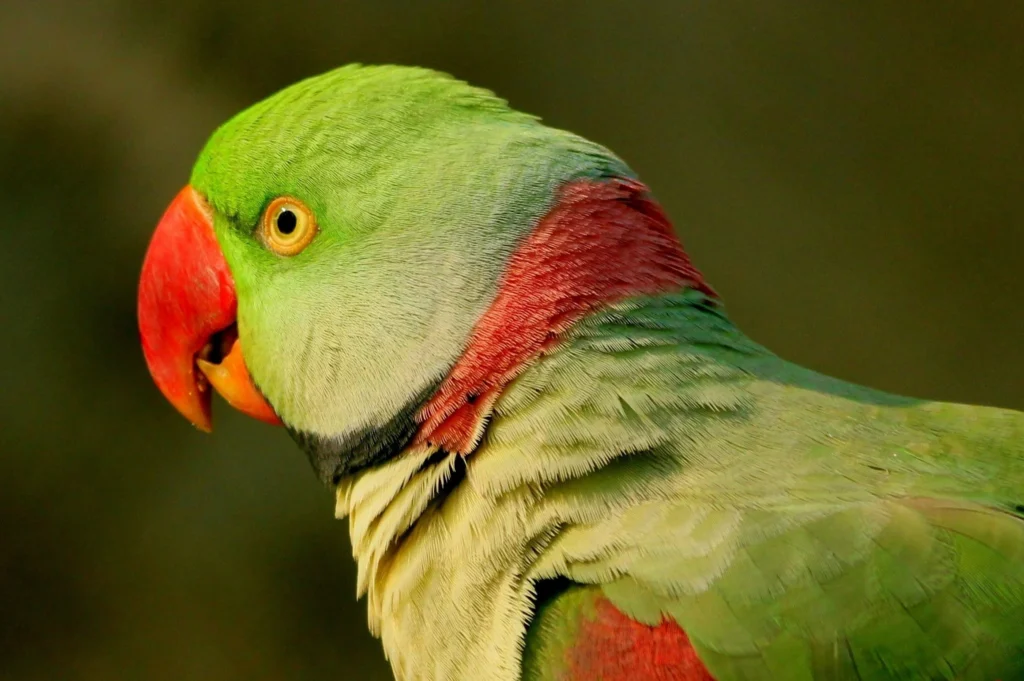 Proper Alexandrine Parakeet care includes a spacious enclosure, balanced diet, daily exercise, mental stimulation, regular cleaning, positive training, and routine veterinary attention. In this guide, you will learn about the Alexandrine Parakeet’s origin, natural habitat, lifespan, size, diet, food, cage setup, temperament, talking ability, health, grooming, cleaning, fun activities, breeding, male and female differences, price, and whether this beautiful parrot is a good pet for beginners.
Alexandrine Parakeet Sheet
| Feature | Information |
| Common Name | Alexandrine Parakeet |
| Scientific Name | Psittacula eupatria |
| Family | Psittaculidae |
| Genus | Psittacula |
| Average Length | About 58 cm / 22.6 inches |
| Average Weight | About 250–260 g |
| Lifespan | Around 25–30 years in captivity |
| Origin | South and Southeast Asia |
| Diet | Pellets, vegetables, fruit, seeds, grains, and other suitable foods |
| Temperament | Intelligent, active, social, curious |
| Talking Ability | Many individuals can learn words and sounds |
| Noise Level | Moderate to loud |
| Housing | Large cage or spacious aviary |
| Exercise | Daily physical and mental activity |
| Conservation Status | Least Concern |
An individual bird’s characteristics can vary based on genetics, age, sex, diet, socialization, and previous experience.
Alexandrine Parakeet Origin and Natural Habitat
The Alexandrine Parakeet has a wide natural distribution. Different populations and subspecies occur across areas of South and Southeast Asia, including parts of Pakistan, India, Nepal, Bhutan, Bangladesh, Sri Lanka, Myanmar, Thailand, Laos, Cambodia, Vietnam, and nearby regions.
Where Do Alexandrine Parakeets Live?
In the wild, these birds can occupy a variety of environments, including:
- Deciduous forests
- Woodland
- Forest edges
- Agricultural areas
- Plantations
- Gardens
- Mangroves
- Open wooded landscapes
- Areas containing mature trees
Their adaptability allows them to use both natural and human-modified environments when suitable food, water, and nesting locations are available. Wild Alexandrines often move in pairs or small groups. Larger gatherings may occur around abundant food sources or communal roosting areas.
This natural behavior is important for owners to understand because a companion Alexandrine is still a highly social parrot. Simply placing the bird in a cage and leaving it alone for most of the day does not provide an environment comparable to its natural behavioral needs.
Alexandrine Parakeet Appearance, Size, and Colors
The classic Alexandrine has predominantly green plumage, a long tail, a large red bill, and a distinctive reddish or purplish shoulder patch. Adult males usually develop the characteristic dark neck marking and pinkish collar as they mature.
Females generally do not develop the same prominent adult male ring. The bird’s large beak is one of its most impressive physical characteristics. However, it also means that owners need durable, bird-safe toys and strong cage construction.
Alexandrine Parakeet Size
An adult Alexandrine can reach approximately 58 cm in total length, although much of that measurement comes from the long tail. Its body is substantially heavier and more robust than that of an Indian Ringneck. Because of its size, long tail, and active lifestyle, an Alexandrine should never be housed like a small budgie.
Alexandrine Parakeet Male and Female
Alexandrine parakeet females and males can look surprisingly similar when they are young.
Adult Male
- Prominent dark facial and neck markings
- Pinkish neck collar
- Large red bill
- Characteristic shoulder patch
- Generally more obvious adult coloration
Adult Female
- Usually lacks the complete adult male ring
- Less pronounced neck markings
- Similar green body coloration
- Can be just as intelligent and affectionate as a male
Young males may not show their full adult markings immediately. Therefore, visual sexing is not always dependable in immature birds. DNA sexing through an appropriate veterinary or laboratory service may be used when accurate sex identification is important.
Alexandrine Parakeet Lifespan
The Alexandrine Parakeet lifespan is commonly around 25–30 years in captivity, according to the World Parrot Trust. That means bringing one home is a serious long-term commitment. A healthy lifestyle can support good welfare and potentially contribute to longevity.
Important factors include:
- Balanced nutrition
- Safe housing
- Daily exercise
- Mental enrichment
- Good sleep
- Regular cleaning
- Stress reduction
- Preventive veterinary care
- Prompt attention to illness
No owner can guarantee a specific lifespan, because genetics, previous history, disease, accidents, and environmental conditions all affect individual birds.
Alexandrine Parakeet Temperament and Behavior
Alexandrines are often described as intelligent, curious, active, and independent. A well-socialized bird may enjoy interacting with its owner, learning commands, exploring its surroundings, and investigating new toys.
However, temperament varies between individual birds. One Alexandrine may be affectionate and eager to interact, while another may be more independent and prefer sitting nearby rather than being constantly handled.
Common Alexandrine Parakeet Behavior
You may notice:
- Climbing
- Chewing
- Foraging
- Preening
- Calling
- Whistling
- Mimicking sounds
- Exploring
- Toy manipulation
- Head bobbing
- Social interaction
- Occasional territorial behavior
Understanding normal behavior makes it easier to recognize when something changes. For example, a normally energetic bird that suddenly becomes quiet, withdrawn, or uninterested in food should receive attention rather than simply being assumed to be tired.
Is an Alexandrine Parakeet a Good Pet?
Yes, an Alexandrine can be an excellent pet for the right person. However, it is not an effortless beginner bird.
An Alexandrine Parakeet may be a good choice if you can provide:
- A large and secure enclosure
- Daily interaction
- Safe out-of-cage exercise
- A varied and balanced diet
- Plenty of chewable enrichment
- Positive reinforcement training
- Regular cleaning
- Good-quality sleep
- Veterinary care
- A long-term commitment
The World Parrot Trust emphasizes that companion parrots have complex physical and behavioral needs, including space, enrichment, exercise, appropriate nutrition, and social interaction.
Is an Alexandrine Good for Beginners?
It can be, but beginners should understand that “parakeet” does not mean “easy.” This species is large, powerful, intelligent, and potentially loud. Someone with no previous bird experience can successfully care for one, but preparation is essential.
If you want a pet bird that requires very little interaction, an Alexandrine is probably not the best choice.
Alexandrine Parakeet Cage Size and Setup
Cage size is one of the most important parts of an Alexandrine Parakeet care sheet. Because the species has a long tail and strong flight muscles, the enclosure should be as spacious as your home and budget safely allow. A spacious aviary is ideal.
The World Parrot Trust recommends a very large walk-in aviary for this species and gives a minimum aviary length of approximately 4.5 meters.
For indoor housing, prioritize the largest safe cage available rather than choosing a cage based only on minimum dimensions.
What to Put Inside the Cage:
- Strong metal bars
- Secure doors and locks
- Natural wooden perches
- Different perch diameters
- Food bowls
- Water bowl
- Chew toys
- Foraging toys
- Climbing equipment
- Swings
- Shreddable materials
- Safe foot toys
- A comfortable sleeping area
Avoid placing too many objects inside the enclosure. The bird still needs enough unobstructed space to move and stretch.
Cage Bar Spacing
Bar spacing should be narrow enough to prevent the bird’s head from becoming trapped but strong enough to resist its powerful beak. Always follow manufacturer recommendations for large parrots and inspect the cage regularly for damaged or loose parts.
Alexandrine Parakeet Diet and Food
A healthy Alexandrine Parakeet diet should be varied and nutritionally balanced. The goal is not simply to fill a bowl with seeds. Seed-only diets can encourage selective eating and may provide excessive amounts of fat while failing to provide a balanced nutritional profile.
A quality formulated parrot pellet can serve as a major component of the diet, combined with suitable vegetables, moderate fruit, and controlled amounts of other foods. Veterinary nutrition guidance for parrots supports formulated diets combined with suitable fresh foods rather than relying entirely on seeds.
Healthy Alexandrine Parakeet Food
Suitable options can include:
Vegetables
- Carrots
- Broccoli
- Bell peppers
- Pumpkin
- Sweet potato
- Peas
- Corn
- Zucchini
- Leafy greens
Fruit in moderation
- Apple with seeds removed
- Pear
- Banana
- Papaya
- Mango
- Melon
- Berries
- Pomegranate
Other foods
- Cooked lentils
- Cooked beans
- Appropriate sprouts
- Small amounts of suitable nuts
- High-quality formulated pellets
- Limited seed mixes
Fresh foods should be washed before serving and removed before they spoil. Fresh water should be available throughout the day.
Foods Alexandrine Parakeets Should Avoid
Do not give:
- Avocado
- Chocolate
- Alcohol
- Caffeine
- Onion
- Very salty food
- Highly processed junk food
- Apple seeds
- Foods containing potentially toxic ingredients
Veterinary guidance identifies several of these foods as unsafe for parrots. When you are uncertain about a particular food, ask an avian veterinarian before adding it to your bird’s diet.
Alexandrine Parakeet Feeding Schedule
A consistent feeding routine makes daily care easier.
| Time | Recommended Activity |
| Morning | Fresh water, pellets, vegetables |
| Midday | Foraging activity or small fresh-food enrichment |
| Afternoon | Supervised exercise and training |
| Evening | Main meal check and social interaction |
| Night | Remove perishable foods and prepare a quiet sleeping area |
The exact amount of food should depend on the bird’s size, activity level, existing diet, body condition, and veterinary advice. If your bird currently eats mostly seeds, make dietary changes gradually rather than suddenly removing its familiar food. Weight monitoring is especially useful during diet conversion.
Can Alexandrine Parakeets Talk?
Yes, many Alexandrines can learn words and mimic sounds. So, can Alexandrine Parakeets talk? Absolutely, but there is no guarantee that every individual will become a strong talker.
Some birds learn:
- Names
- Greetings
- Household sounds
- Whistles
- Short phrases
- Repeated words
Training works best when it is positive and consistent. Never punish a bird for making noise. Vocalizing is natural parrot behavior, and punishment can create fear instead of improving communication.
Alexandrine Parakeet Sound and Noise Level
The Alexandrine Parakeet sound can be surprisingly loud.
Although individual birds differ, owners should expect:
- Contact calls
- Excited vocalizations
- Whistles
- Mimicked sound
- Occasional screams
Noise may increase when the bird is bored, excited, seeking attention, frightened, or communicating with another bird. If you live in an apartment with strict noise rules, consider this factor before bringing one home.
Alexandrine Parakeet Cleaning and Hygiene
A clean environment is essential for good bird welfare.
Daily Cleaning Every Day:
- Replace drinking water.
- Wash food bowls.
- Remove spoiled food.
- Replace dirty cage paper.
- Wipe obvious droppings from perches.
- Check toys for damage.
- Check the bird’s droppings and general behavior.
Weekly Cleaning
At least weekly:
- Wash cage surfaces.
- Clean perches.
- Wash removable accessories.
- Clean food and water containers thoroughly.
- Replace heavily contaminated toys.
- Inspect cage locks and bars.
Food and water dishes should be cleaned daily, according to veterinary guidance. Avoid exposing the bird to bleach fumes, aerosols, strong perfumes, or other irritating chemicals.
Alexandrine Parakeet Bathing and Grooming
Most healthy parrots maintain much of their own feather condition through preening. However, bathing can be an enjoyable enrichment activity.
You can offer:
- A shallow bathing dish
- Gentle misting
- A bird-safe shower perch
- Never force a nervous bird into water.
Use clean water and allow the bird to dry naturally in a comfortable, draft-free environment. Do not use human shampoo, perfume, oils, or cosmetic products on your bird unless specifically instructed by an avian veterinarian.
Alexandrine Parakeet Exercise and Enrichment
Exercise is essential because these are active parrots. A safe routine can include supervised time outside the cage, climbing, flying indoors where appropriate, and interactive play.
Fun Activities for Alexandrine Parakeets
Try:
- Wooden chew toys
- Paper shredding
- Foraging boxes
- Puzzle feeders
- Treat-search games
- Bells made for parrots
- Swings
- Climbing ropes
- Ladders
- Foot toys
- Target training
- Recall games
- Supervised exploration
- Bathing
The World Parrot Trust specifically recommends enrichment such as swings, chewable wood, ladders, ropes, foot toys, bathing, and interactive toys for Alexandrine Parakeets.
Rotate toys every few days or weeks rather than leaving the same selection untouched for months.
Alexandrine Parakeet Health Problems
Parrots are good at hiding signs of illness. As a result, subtle changes can be important.
Watch for:
- Reduced appetite
- Sudden weight loss
- Persistent fluffed feathers
- Unusual sleeping
- Weakness
- Breathing difficulty
- Nasal discharge
- Vomiting
- Major changes in droppings
- Loss of balance
- Excessive feather damage
- Sudden personality changes
- Reduced vocalization
- Difficulty perching
These symptoms can have many causes and should not be self-diagnosed. If your bird shows unusual or persistent symptoms, contact an avian veterinarian promptly.
Routine wellness examinations are also valuable because a veterinarian may detect problems before obvious symptoms develop.
Alexandrine Parakeet Color Mutations
The wild-type bird is predominantly green, but captive breeding has produced several color mutations.
Depending on the breeder and region, you may encounter terms such as:
- Blue Alexandrine
- Lutino Alexandrine
- Albino Alexandrine
- Cinnamon
- Grey
- Violet
- Other mutation combinations
The term violet yellow Alexandrine Parakeet, for example, may describe a particular mutation combination or seller terminology. Because mutation naming can vary, verify the genetics and lineage before purchasing a bird based solely on a color label.
Alexandrine Parakeet Breeding
Breeding Alexandrines requires considerable preparation.
Potential breeders need:
- Healthy adult birds
- Compatible breeding pair
- Appropriate nutrition
- Spacious housing
- Suitable nesting arrangements
- Veterinary support
- Knowledge of chick care
- A responsible plan for offspring
The World Parrot Trust reports typical clutches of approximately 2–4 eggs and notes that young birds may fledge at around seven weeks. Breeding should never be undertaken simply because the owner wants baby birds.
Responsible breeding requires knowledge, resources, and a commitment to the welfare of both parents and offspring. Always research local regulations before breeding or transferring birds.
Common Alexandrine Parakeet Beginner Mistakes
New owners often make a few predictable mistakes.
Avoid:
- Buying a cage that is too small.
- Feeding a seed-only diet.
- Providing too few toys.
- Ignoring exercise.
- Leaving the bird alone for excessive periods.
- Using unsafe cleaning chemicals.
- Allowing access to kitchen fumes.
- Ignoring changes in appetite or behavior.
- Expecting the bird to talk immediately.
- Forcing handling.
- Purchasing from questionable sellers.
- Ignoring the long-term financial commitment.
- Allowing unsupervised access to other pets.
- Failing to bird-proof the home.
- Skipping routine veterinary examinations.
The goal should not simply be keeping the bird alive. Good care means creating an environment in which the bird can behave naturally, remain mentally engaged, and maintain good physical condition.
Alexandrine Parakeet Pros and Cons
Pros
- Beautiful appearance
- Intelligent
- Curious
- Playful
- Often capable of talking
- Can bond strongly with people
- Long-lived
- Enjoys training
- Responds well to enrichment
Cons
- Requires substantial space
- Can be loud
- Needs daily interaction
- Powerful beak can destroy objects
- Produces food and feather mess
- Requires specialized veterinary care
- Long-term commitment
- Can become bored without enrichment
E-E-A-T
Reliable pet content should be based on credible information rather than exaggerated claims.
For an authoritative Alexandrine Parakeet resource, important trust signals include:
- Correct scientific terminology
- Reputable parrot organizations
- Veterinary references
- Clear distinction between general care and medical advice
- No unsupported promises
- Responsible sourcing information
- Updated information
- Practical owner-focused guidance
For example, the World Parrot Trust provides species information covering the Alexandrine’s taxonomy, distribution, size, lifespan, diet, housing, enrichment, breeding, and conservation. Veterinary sources can complement this information when discussing nutrition and health.
This approach is especially useful for pet websites because readers need practical information they can trust rather than generic statements repeated across the internet.
Frequently Asked Questions
1. What is the Alexandrine Parakeet scientific name?
The Alexandrine Parakeet scientific name is Psittacula eupatria. It belongs to the Psittacula genus and the Psittaculidae family. (World Parrot Trust)
2. How long does an Alexandrine Parakeet live?
The Alexandrine Parakeet lifespan is generally around 25–30 years in captivity, although individual birds can live for different lengths of time.
3. Can Alexandrine Parakeets talk?
Yes. Many Alexandrines can learn human words, whistles, and environmental sounds, although talking ability varies between individual birds.
4. Is an Alexandrine Parakeet a good pet?
Yes, an Alexandrine can be an excellent pet for an owner who can provide adequate space, daily interaction, enrichment, nutrition, exercise, and veterinary care.
5. Are Alexandrine Parakeets good for beginners?
Prepared beginners can keep them successfully, but they should not be considered low-maintenance birds. Their size, intelligence, noise, and long lifespan require serious preparation.
6. What do Alexandrine Parakeets eat?
A balanced diet can include quality pellets, vegetables, moderate amounts of fruit, and controlled amounts of suitable seeds, grains, sprouts, and nuts. A seed-only diet is not ideal.
7. How big should an Alexandrine Parakeet cage be?
The largest safe enclosure possible is preferable. Because Alexandrines are large and active, they need significantly more space than small parakeets. A spacious aviary is particularly beneficial. (World Parrot Trust)
8. Are Alexandrine Parakeets noisy?
They can be moderately to quite loud. Their vocalizations are natural communication, so prospective owners should consider neighbors and household noise tolerance.
9. What is the difference between an Alexandrine Parakeet and an Indian Ringneck?
Alexandrines are generally larger and heavier, with a more powerful bill and distinctive wing patch. Indian Ringnecks are smaller and more slender.
10. How much does an Alexandrine Parakeet cost?
The Alexandrine Parakeet price varies depending on location, age, mutation, breeder, taming, health, documentation, and availability. Responsible sourcing should be prioritized over finding the lowest price.
Final Thoughts
The Alexandrine Parakeet is an impressive companion bird with a combination of intelligence, beauty, personality, and longevity that makes it appealing to experienced bird owners and prepared beginners alike. However, owning one is a serious responsibility.
This species needs a spacious cage, nutritious food, daily exercise, mental stimulation, social interaction, good hygiene, safe household conditions, and access to avian veterinary care. It also needs an owner who understands that a 25–30-year lifespan can represent a major part of a person’s life. If you are researching an Alexandrine Parakeet for sale, focus on health, legal origin, responsible breeding, socialization, and documentation rather than price alone.
With proper care, enrichment, patience, and positive training, an Alexandrine can become a fascinating and rewarding companion. The key is to treat the bird as an intelligent living animal with physical and emotional needs—not simply as a beautiful pet kept inside a cage.
I’ve created helpful guides in the Birds category on Petstdigo, featuring posts in Care, Cleaning, and Fun Activities. These guides share practical tips on grooming, skin and coat health, bathing routines, nutrition, playtime ideas, and calming solutions to keep your pets happy and healthy. Explore these pages for easy-to-follow advice and insights to support your pet’s overall well-being.