
An African dormouse is a tiny, agile, nocturnal mammal that has become interesting to exotic-pet enthusiasts because of its large eyes, soft coat, bushy tail, and remarkable climbing ability. Although it resembles a miniature squirrel or mouse, it is actually a dormouse belonging to the family Gliridae.
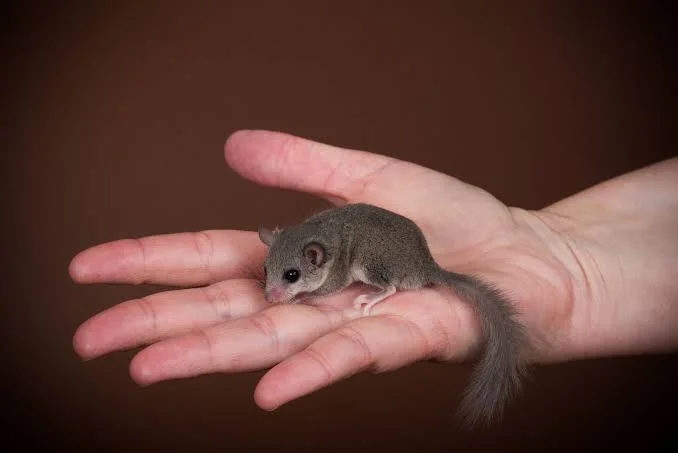 The name can also be confusing because “African dormouse” may refer broadly to members of the Graphiurus genus rather than one single species. Therefore, anyone buying one should confirm the animal’s scientific name with the breeder or seller. African dormice are naturally active at night and spend much of their time climbing, exploring, nesting, grooming, and searching for food.
Unlike hamsters or many common pet mice, these animals are not necessarily ideal for owners who want a cuddly pet. Instead, an African dormouse pet is best appreciated as an active observation animal. Its enclosure should encourage natural behaviors, especially climbing and exploring. Research on captive African dormice has also shown that enrichment and appropriate nutrition can be important parts of successful husbandry.
African Dormouse Overview
Before choosing this unusual pet, it is helpful to understand its basic needs.
| Care Factor | African Dormouse Information |
| Common name | African dormouse |
| Other names | African pygmy dormouse, woodland dormouse, pygmy dormouse |
| Genus | Graphiurus |
| Activity | Primarily nocturnal |
| Diet | Omnivorous |
| Personality | Active, curious, agile, cautious |
| Housing | Secure, enriched enclosure with climbing opportunities |
| Important enrichment | Branches, hides, tunnels, nesting areas, safe climbing structures |
| Handling | Gentle and limited rather than frequent |
| Care level | Intermediate to advanced |
| Best for | Experienced exotic-pet keepers |
| Main challenge | Specialized housing, diet, behavior, and veterinary care |
Because different Graphiurus species can have different requirements, this guide should be used as a general husbandry resource rather than a substitute for species-specific veterinary advice.
What Is an African Dormouse?
The African dormouse is a small rodent in the family Gliridae. African dormice of the genus Graphiurus are found naturally in sub-Saharan Africa and are generally nocturnal.
They are exceptional climbers, which explains why their enclosure should provide useful vertical space rather than simply a large empty floor area. The phrase African pygmy dormouse is commonly used in pet-related searches, while terms such as “micro squirrel” or “micro squirrel pet” are informal descriptions based on the animal’s tiny size and squirrel-like appearance.
However, an African dormouse is not a squirrel.
This distinction matters because different animals can have completely different nutritional, environmental, and behavioral needs.
Are African Dormouse and African Pygmy Dormouse the Same?
This is one of the most important naming questions for prospective owners. The terms African dormouse, African pygmy dormouse, African woodland dormouse, and pygmy dormouse may appear in pet listings and online searches.
However, common names are not always consistent, and Graphiurus contains multiple species. For that reason, do not choose a care guide based only on the common name.
Before purchasing an animal, ask:
- What is the exact scientific name?
- Where did the animal originate?
- Is it captive-bred?
- What food is it currently eating?
- What temperature is it being kept at?
- What social arrangement has it been living in?
- Has it been examined by an exotic-animal veterinarian?
This simple step can prevent a great deal of confusion.
Origin and Where Do African Dormice Live?
African dormice are native to sub-Saharan Africa. Species within Graphiurus occupy different habitats, so their natural range is not identical across the entire genus.
African dormice are associated with woodland, forest, scrub, rocky areas, and other environments that provide food, shelter, and climbing opportunities. The woodland dormouse, Graphiurus murinus, for example, is an arboreal and nocturnal species associated with vegetation and elevated spaces.
Its natural behavior provides useful clues for captive care because it demonstrates why climbing structures, nest sites, and opportunities to explore are so valuable.
In the wild, dormice may use:
- Tree hollows
- Branches
- Vegetation
- Rock crevices
- Natural nests
- Sheltered elevated spaces
At night, they leave their resting areas to forage and explore.
African Dormouse Appearance and Size
One reason people search for an African dormouse squirrel is its unusual appearance.
It has several features that make it look like a tiny squirrel:
- Large dark eyes
- Rounded ears
- Soft brown, gray, or gray-brown fur
- Pale underparts
- Small climbing feet
- Long tail
- Compact body
- Bushy tail that assists with balance
Adult weight can vary by species and individual. Published captive work on Graphiurus kelleni reported mature animals ranging from approximately 15 to 42 grams, with an average around 24 grams. That small size makes an escape-proof enclosure particularly important.
African Dormouse Lifespan
People researching African dormouse lifespan often want a simple number. Unfortunately, reliable lifespan information for captive African dormice is much less extensive than it is for common pets such as hamsters or rats.
A responsible owner should therefore avoid treating one lifespan figure as guaranteed.
How long an individual lives can be influenced by:
- Genetics
- Species
- Nutrition
- Housing
- Stress
- Temperature
- Injury
- Veterinary care
- Overall husbandry
Instead of concentrating only on how long an African pygmy dormouse’s lifespan might be, focus on providing conditions that support good welfare throughout the animal’s life.
African Dormouse Care Requirements
Good African dormouse care combines appropriate housing, nutrition, environmental stability, enrichment, hygiene, and health monitoring.
A good daily routine should include:
- Checking fresh water
- Checking food
- Removing spoiled fresh foods
- Observing normal activity
- Looking for signs of injury
- Checking the enclosure for escape points
- Confirming that nesting areas remain safe
- Monitoring changes in behavior
Because African dormice are nocturnal, they may sleep for much of the day. Their main activity period usually begins later in the day and continues through the night. Therefore, do not assume that a sleeping dormouse is unhealthy simply because it is quiet during daylight hours.
African Dormouse Enclosure Setup
A well-designed African dormouse enclosure should be secure, well ventilated, enriched, and tall enough to encourage climbing. There is no single universally accepted minimum enclosure size that can safely be applied to every Graphiurus species.
Because species and social arrangements differ, it is better to focus on usable space and enrichment rather than blindly following one number.
Important enclosure features include:
- Secure doors and lid
- Escape-resistant construction
- Appropriate mesh or bar spacing
- Good ventilation
- Vertical climbing space
- Safe branches
- Nest boxes
- Tunnels
- Hiding places
- Appropriate bedding
- Food and water stations
- Safe exercise opportunities
Research involving captive African dormice used paper bedding, nesting structures, nesting material, food, and water, while maintaining stable environmental conditions.
Bar Spacing
Because dormice are extremely small, bar or mesh openings must be narrow enough to prevent escape. Do not choose cage spacing simply because it is marketed for “small rodents.” Inspect the actual openings carefully. If the animal can fit its head through an opening, the enclosure may not be secure enough.
Vertical Space
Vertical space is especially valuable. Branches, ropes, shelves, elevated nest boxes, and safe climbing structures can turn unused cage volume into useful habitat. This is more meaningful than simply filling the floor with toys.
Nest Boxes
Provide several safe resting locations. An elevated nest box can be particularly useful because dormice naturally use sheltered and elevated spaces. Having multiple options also allows an animal to choose where it feels most secure.
Branches and Climbing Structures
Use sturdy, animal-safe branches that cannot collapse.
Avoid:
- Sharp edges
- Toxic materials
- Loose wires
- Unstable platforms
- Small gaps where feet can become trapped
Check climbing equipment regularly for damage.
Wheel Safety
If you provide an exercise wheel, choose a design that minimizes the risk of trapped feet or tails. Avoid wheels with dangerous gaps or exposed mechanisms. A wheel should complement the enclosure rather than replace climbing and exploration opportunities.
Temperature and Humidity
Environmental stability is important for African dormice. Published captive husbandry work with Graphiurus kelleni maintained room temperatures around 20–23°C and relative humidity between 30% and 70%.
However, these values come from a specific research setting and should not automatically be treated as a universal target for every African dormouse species.
The most important principles are:
- Avoid sudden temperature changes.
- Avoid cold drafts.
- Avoid excessive heat.
- Maintain good ventilation.
- Monitor the enclosure rather than guessing the temperature.
- Ask an exotic veterinarian about species-specific requirements.
Some dormice can enter torpor under unfavorable conditions, making environmental monitoring particularly important.
African Dormouse Diet
The African dormouse diet should reflect its omnivorous nature. Research on African dormice has documented consumption of arthropods, fruits, nuts, and other foods. Captive studies have also found strong interest in protein-rich foods.
A varied diet can include appropriately selected:
Protein and Insects
- Mealworms
- Waxworm larvae as an occasional richer food
- Other suitable feeder insects
- Cooked egg
- Other veterinarian-approved protein sources
Plant Foods
- Small portions of suitable fruits
- Berries
- Appropriate vegetables
- Selected seeds
- Suitable nuts in moderation
The exact diet should be adjusted according to the species, age, health, and existing diet.
African Dormouse Feeding Schedule
A simple African dormouse feeding schedule is easier to maintain when feeding is aligned with its nocturnal lifestyle.
Daily
Provide:
- Fresh drinking water
- Appropriate staple food
- A controlled amount of suitable fresh food
- An appropriate portion of the diet’s protein component
Several Times Per Week
Offer suitable insect-based enrichment or other protein sources according to the animal’s established diet.
Treats
Treat foods should remain a small part of the overall diet. Avoid turning fruit, nuts, or fatty treats into the main food source.
Food Removal
Fresh foods should be checked regularly and removed before they spoil. This is especially important in a warm enclosure.
Foods to Avoid
Avoid feeding:
- Chocolate
- Alcohol
- Caffeinated products
- Highly salty foods
- Heavily seasoned foods
- Moldy food
- Spoiled fruit
- Highly processed human snacks
- Foods containing potentially toxic ingredients
When introducing an unfamiliar food, research it first or ask an exotic-animal veterinarian.
African Dormouse Cleaning Routine
Cleaning is an essential part of African dormouse care, but excessive deep cleaning can also unnecessarily disrupt the animal’s familiar environment.
Daily Cleaning
Check for:
- Spoiled food
- Wet bedding
- Dirty water
- Obvious waste
- Damaged nesting material
Remove anything that is clearly contaminated.
Weekly Maintenance
Depending on enclosure size and the number of animals, perform more extensive cleaning as needed.
A practical routine includes:
- Safely secure the dormouse.
- Remove heavily soiled bedding.
- Clean food and water dishes.
- Clean contaminated surfaces.
- Replace dirty nesting material.
- Add fresh bedding.
- Check branches and toys.
- Inspect the enclosure for damage.
Published captive husbandry work used weekly cage changes, although the appropriate frequency for a home enclosure depends on its size, ventilation, number of animals, and how quickly it becomes dirty.
African Dormouse Behavior
African dormice are primarily nocturnal. During the day, they may remain hidden in a nest box or sleeping area.
At night, they may:
- Climb
- Run
- Search for food
- Groom
- Explore
- Rearrange nesting material
- Investigate new objects
- Interact with companions
This makes them fascinating animals for owners who enjoy watching natural behavior. However, their nighttime schedule may not suit someone who wants a pet that is active during the daytime.
African Dormouse Fun Activities and Enrichment
Fun activities should imitate natural behaviors rather than simply adding colorful toys.
Good enrichment ideas include:
- Safe climbing branches
- Tunnels
- Multiple nest boxes
- Elevated platforms
- Hidden food
- Foraging opportunities
- Safe ropes
- Rotating climbing routes
- Natural-looking exploration areas
- Appropriate exercise wheels
Research on captive African pygmy dormice has demonstrated that climbing and enrichment can influence natural activity and enclosure use.
You can also create simple food-foraging activities by placing small portions of suitable food in different safe locations. Do not make the challenge so difficult that the animal cannot find its food.
Handling an African Dormouse
An African dormouse pet should be handled gently and only when necessary. These animals are extremely fast, and chasing one around the enclosure can create unnecessary stress.
Instead:
- Sit quietly near the enclosure.
- Allow the dormouse to become familiar with your presence.
- Offer food calmly.
- Let it approach voluntarily.
- Keep interactions short.
- Never grab the tail.
- Stop if the animal shows strong fear.
The goal should be trust, not forcing the animal to tolerate handling.
Are African Dormice Friendly?
African dormice can become accustomed to their keeper, but “friendly” is not the best way to describe every individual. Some may become comfortable approaching people for food. Others may remain nervous.
Their personality can depend on:
- Early socialization
- Genetics
- Previous handling
- Environment
- Individual temperament
- Stress level
For this reason, do not purchase one expecting guaranteed cuddling.
Can African Dormice Be Kept Alone?
Social housing requires careful consideration. Some African dormice have been maintained in pairs or groups in captive settings, but research also documents fighting and injuries in certain group arrangements.
In one captive colony, aggression among breeding animals was significant enough that housing arrangements had to be changed. Therefore, never assume that “more dormice is always better.”
If social housing is attempted, consider:
- Sex
- Compatibility
- Available space
- Multiple food stations
- Multiple hiding areas
- Individual temperament
- A backup enclosure
Always have a plan for separating animals if aggression occurs.
African Dormouse Health
Because these animals are tiny, even relatively small health problems can become serious.
Watch for:
- Sudden weight loss
- Persistent weakness
- Difficulty breathing
- Dehydration
- Diarrhea
- Injuries
- Abnormal lumps
- Poor coat condition
- Eye or nose discharge
- Difficulty eating
- Unusual inactivity
- Sudden behavioral changes
Published captive research found traumatic injury to be an important medical problem in group-housed African dormice, emphasizing the importance of safe housing and careful social management.
If your dormouse appears sick or injured, contact an exotic-animal veterinarian promptly.
Is an African Dormouse a Good Pet?
So, is an African dormouse a good pet? For the right owner, yes. However, it is not the easiest small mammal for a first-time pet owner.
Pros
- Very small
- Fascinating appearance
- Active and entertaining
- Excellent climber
- Interesting nocturnal behavior
- Suitable for observation
- Enrichment can be highly rewarding
Cons
- Not usually a cuddly pet
- Mostly active at night
- Very fast
- Escape risk
- Specialized enclosure required
- Requires a varied diet
- Exotic veterinary care may be necessary
- Social compatibility can be complicated
- Species-specific husbandry information is limited
Overall, an African dormouse is better suited to an experienced exotic-pet keeper than someone looking for a simple beginner pet.
Common African Dormouse Care Mistakes
Avoid these mistakes:
Using a Small, Empty Cage
A tiny cage may technically contain the animal but fail to provide enough opportunities for climbing and exploration.
Feeding Only Seeds
African dormice are omnivorous, and their natural diet includes animal foods and plant foods.
Ignoring Escape Routes
Inspect every opening.
Overhandling
Allow the animal to build trust gradually.
Poor Social Management
Never place unfamiliar animals together without a careful plan.
No Enrichment
An empty enclosure does not provide enough opportunities for natural activity.
Ignoring Veterinary Access
Find an exotic-animal veterinarian before an emergency happens.
FAQs
1. Is an African Dormouse a Good Pet?
An African Dormouse can be a fascinating pet for experienced exotic-animal keepers. However, it is not usually ideal for beginners because it is nocturnal, fast, delicate, and requires specialized housing and nutrition.
2. How Long Do African Dormice Live?
The lifespan can vary depending on species, genetics, diet, housing, and veterinary care. Providing a nutritious diet, safe enclosure, stable environment, and proper enrichment can support a healthy life.
3. What Do African Dormice Eat?
African dormice are omnivores. Their diet can include appropriate insects, fruit, seeds, nuts in moderation, and other suitable protein sources. Fresh water should always be available.
4. What Size Enclosure Does an African Dormouse Need?
No single enclosure size applies to every species. Choose the largest secure enclosure practical, with plenty of vertical space, climbing structures, nest boxes, hiding areas, and good ventilation.
5. Are African Dormice Nocturnal?
Yes. They are primarily nocturnal, so they usually sleep during the day and become active during the evening and nighttime. This makes them especially interesting for owners who enjoy observing nighttime behavior.
6. Can African Dormice Live Together?
Some African dormice can live with compatible companions, but social housing requires careful planning. Sex, temperament, enclosure size, resources, and potential aggression should all be considered before housing animals together.
7. Are African Dormice Friendly and Easy to Handle?
They can become accustomed to their keeper, but they are generally better suited to gentle interaction and observation than frequent handling. Because they are quick and fragile, chasing or grabbing them can cause stress or injury.
8. What Temperature Do African Dormice Need?
African dormice need stable, species-appropriate environmental conditions. Avoid sudden temperature changes, cold drafts, and excessive heat. Because requirements can vary between species, an exotic-animal veterinarian can provide the most appropriate guidance.
9. What Enrichment Do African Dormice Need?
Climbing branches, tunnels, nest boxes, elevated platforms, safe ropes, hiding places, and food-foraging activities can provide valuable enrichment. Changing some enrichment items periodically can also encourage exploration.
10. Are African Dormice Good for Beginner Pet Owners?
Usually, no. Their specialized enclosure, nocturnal lifestyle, varied diet, escape risk, social considerations, and need for exotic veterinary care make them more suitable for experienced pet owners.
Final Thoughts
The African dormouse is a remarkable little mammal that offers something very different from a conventional pet. Its nocturnal lifestyle, climbing ability, curious behavior, and unusual appearance make it fascinating to observe. Nevertheless, responsible ownership requires more than providing food and a small cage.
A successful setup should include a secure African dormouse enclosure, appropriate nesting areas, climbing opportunities, suitable nutrition, clean water, environmental stability, regular cleaning, and meaningful enrichment. Social housing should also be approached carefully because compatibility is not guaranteed.
If you are searching for an African pygmy dormouse pet, a pet dormouse, or information about African dormice, start by identifying the exact species. That one step can prevent confusion because common names are not always reliable. Most importantly, choose this animal because you are interested in its natural behavior rather than because it looks like a miniature squirrel.
For the right experienced keeper, an African dormouse can be an incredibly rewarding animal to observe. For someone wanting a simple, cuddly, daytime pet, another species may be a much better choice.
I’ve created helpful guides in the Birds category on Petstdigo, featuring posts in Care, Cleaning, and Fun Activities. These guides share practical tips on grooming, skin and coat health, bathing routines, nutrition, playtime ideas, and calming solutions to keep your pets happy and healthy. Explore these pages for easy-to-follow advice and insights to support your pet’s overall well-being.