
The African Dwarf Frog is one of the most fascinating aquatic pets found in home aquariums today. Because of its peaceful nature, small size, and entertaining behavior, this tiny amphibian has become a favorite among beginner and experienced aquarium keepers alike.
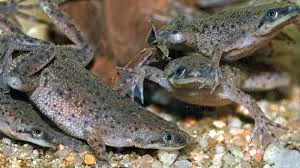 Whether you are planning your first African Dwarf Frog aquarium or looking to improve your current setup, understanding proper African Dwarf Frog care is essential for long-term success. Unlike many aquarium pets, these frogs spend their entire lives underwater while regularly swimming to the surface for air.
As a result, they create a unique and interactive experience for aquarium owners. Furthermore, their curious personalities, gentle temperament, and relatively simple care requirements make them an excellent addition to many freshwater tanks.
In this complete guide, you will learn about African Dwarf Frog care, habitat, diet, tank setup, lifespan, breeding, eggs, cleaning routines, fun activities, and everything else needed to keep these amazing amphibians healthy and thriving.
African Dwarf Frog Overview
Before diving into detailed care requirements, it helps to understand some basic facts about this species.
| Feature | Details |
| Common Name | African Dwarf Frog |
| Scientific Name | Hymenochirus spp. |
| Family | Pipidae |
| Origin | Central Africa |
| Adult Size | 2 to 3 inches |
| Lifespan | 5 to 8 years |
| Diet | Carnivorous |
| Temperament | Peaceful |
| Care Level | Easy to Moderate |
| Tank Size | Minimum 10 gallons |
| Water Temperature | 72°F–82°F |
| Breeding Difficulty | Moderate |
African Dwarf Frog Origin and Natural History
The African Dwarf Frog originates from the tropical regions of Central Africa. These frogs are commonly found in slow-moving rivers, ponds, swamps, floodplains, and shallow freshwater habitats.
Countries where they naturally occur include:
- Cameroon
- Congo
- Nigeria
- Gabon
- Equatorial Guinea
Because these areas contain warm water and dense vegetation, African Dwarf Frogs have evolved to thrive in calm environments with plenty of hiding places. Therefore, recreating these conditions inside an aquarium greatly improves their health and comfort.
Where Do African Dwarf Frogs Live?
Many beginners ask, “African Dwarf Frog where do live?”
In the wild, they live in:
- Freshwater ponds
- Marshes
- Slow rivers
- Flooded forests
- Wetlands
Unlike many frogs, they rarely leave the water. In fact, they spend nearly their entire lives underwater and only rise to the surface to breathe.
Consequently, aquarium owners should provide easy access to the water surface while maintaining enough depth for swimming and exploration.
African Dwarf Habitat Requirements
Creating the right habitat is one of the most important aspects of African Dwarf care.
A suitable habitat should include:
- Gentle filtration
- Warm water
- Plenty of hiding places
- Smooth decorations
- Live or artificial plants
- Stable water parameters
Because these frogs have delicate skin, sharp decorations should always be avoided.
Good habitat features include:
- Driftwood
- Aquarium caves
- Smooth rocks
- Floating plants
- Java Fern
- Anubias
The more secure they feel, the more active and entertaining they become.
How Big Do Dwarf Frogs Get?
One of the most searched questions online is: “How big do Dwarf Frogs get?”
The average Dwarf Frog size ranges between:
- 1.5 to 2 inches for females
- 1.5 to 2.5 inches for males
Some exceptionally healthy individuals may approach 3 inches. Although they remain relatively small throughout their lives, they still require adequate swimming space.
Therefore, a properly sized aquarium is important even for these tiny amphibians.
Dwarf Frog Tank Size
The ideal Dwarf Frog tank size depends on the number of frogs being kept.
General recommendations:
- 1–2 frogs: 10 gallons
- 3–4 frogs: 15–20 gallons
- 5+ frogs: 20 gallons or larger
A larger tank offers several advantages:
- Better water stability
- More swimming space
- Easier maintenance
- Reduced stress
As a result, many experienced keepers prefer tanks larger than the minimum recommendation.
Setting Up the Perfect African Dwarf Frog Tank
A proper African Dwarf Frog tank should mimic natural conditions as closely as possible.
Water Parameters
- Temperature: 72°F–82°F
- pH: 6.5–7.8
- Ammonia: 0 ppm
- Nitrite: 0 ppm
- Nitrate: Below 20 ppm
Substrate
Best options include:
- Fine sand
- Smooth gravel
Avoid:
- Sharp gravel
- Large stones
- Rough decorations
Filtration
A gentle sponge filter often works best because strong currents can stress these frogs.
African Dwarf Frog Diet
A healthy African Dwarf Frog diet plays a major role in overall health, growth, and longevity. These frogs are carnivores and require protein-rich foods.
In nature, they eat:
- Small insects
- Larvae
- Tiny crustaceans
- Worms
Inside an aquarium, they should receive a varied diet for optimal nutrition.
Best Dwarf Frog Food
Many owners search for the best Dwarf Frog food.
Top food choices include:
- Frozen bloodworms
- Frozen brine shrimp
- Blackworms
- Daphnia
- Mysis shrimp
- Frog pellets
- Sinking carnivore pellets
Feeding a variety of foods provides better nutrition than relying on a single source.
What to Feed African Frogs
If you are wondering what to feed African Dwarf Frogs daily, consider the following schedule:
Weekly Feeding Example
Monday: Bloodworms
Tuesday: Frog pellets
Wednesday: Brine shrimp
Thursday: Pellets
Friday: Daphnia
Saturday: Mixed protein foods
Sunday: Light feeding
This variety helps maintain strong immune function and healthy growth.
African Dwarf Frog Lifespan
Many potential owners ask, “How long do African Dwarf Frogs live?”
Under proper conditions, African Dwarf Frog lifespan typically ranges between 5 and 8 years. Some well-cared-for individuals may even exceed this range.
Factors affecting lifespan include:
- Water quality
- Diet
- Stress levels
- Tank size
- Disease prevention
Therefore, consistent care directly impacts longevity.
Is the African Dwarf Frog a Good Pet?
Yes, the African Dwarf Frog is considered an excellent pet for many aquarium enthusiasts.
Advantages include:
- Peaceful temperament
- Small size
- Unique appearance
- Entertaining behavior
- Fully aquatic lifestyle
- Suitable for beginners
However, they still require proper care and should never be viewed as maintenance-free pets.
African Dwarf Tank Mates
Choosing appropriate African Dwarf tank mates is important.
Good tank mates include:
- Neon Tetras
- Ember Tetras
- Harlequin Rasboras
- Corydoras Catfish
- Mystery Snails
Avoid:
- Aggressive fish
- Large cichlids
- Fast food competitors
- Fin-nipping species
Peaceful community fish generally work best.
African Dwarf Breeding
Breeding African Dwarf can be a rewarding experience for aquarium hobbyists. However, successful breeding requires healthy adults, excellent water quality, and stable environmental conditions.
Unlike many aquarium animals, these frogs breed through a behavior known as amplexus. During this process, the male wraps his front legs around the female while she releases eggs.
Breeding Behavior
Common breeding signs include:
- Increased swimming activity
- Males making humming sounds
- Males chasing females
- Amplexus mating position
- Females appearing fuller with eggs
Most breeding activity occurs during the evening or nighttime hours.
African Dwarf Frog Eggs
After successful breeding, females may release hundreds of eggs throughout the aquarium.
African Dwarf Frog eggs are:
- Transparent
- Jelly-like
- Extremely small
- Slightly sticky
- Usually attached to plants
Many hobbyists ask, “What do African Dwarf Frog eggs look like?”
The eggs resemble tiny clear pearls with a dark center. Therefore, they can be difficult to spot without close inspection.
Likewise, people searching for “what do African dwarf frog eggs look like” will notice the same appearance. Fresh eggs are almost transparent and often float near the water surface.
How Long Do Eggs Take to Hatch?
Under ideal conditions:
- Eggs hatch within 2 to 7 days.
- Warmer temperatures often speed up development.
- Cooler temperatures may slow hatching.
Water quality is critical at this stage because eggs are sensitive to pollution and sudden changes in parameters.
What Do African Dwarf Frog Eggs Look Like?
A common question is: “What do African Dwarf Frog eggs look like?”
African Dwarf Frog eggs look like tiny clear beads with a darker center. They are usually less than a few millimeters wide and can be difficult to spot at first.
Likewise, people often ask:
- What do African Dwarf Frog eggs look like?
- African Dwarf Frog eggs look like what?
The answer remains the same: small transparent spheres attached to plants, decorations, or floating near the water surface.
Pregnant African Dwarf Frog Signs
Technically, frogs do not become pregnant like mammals. However, owners often refer to egg-carrying females as a pregnant African Dwarf Frog.
Possible signs include:
- Rounder belly
- Increased appetite
- Reduced activity
- Visible body fullness
Albino African Dwarf Frog
The albino African Dwarf Frog is a popular color variation.
Characteristics include:
- Pale white body
- Pinkish eyes
- Unique appearance
- Same care requirements
Their care remains identical to standard African Dwarf Frogs.
Cleaning and Maintenance
Regular maintenance is essential.
Weekly tasks:
- Test water parameters
- Remove debris
- Clean algae
- Perform 20–30% water changes
Monthly tasks:
- Inspect equipment
- Trim plants
- Clean filter media
Consistent cleaning greatly reduces disease risk.
Fun Activities for African Dwarf Frogs
Keeping frogs mentally stimulated can improve activity levels.
Fun enrichment ideas include:
- Rearranging decorations occasionally
- Adding live plants
- Creating hiding caves
- Offering varied foods
- Introducing floating resting spots
These simple activities encourage natural behaviors.
Common African Dwarf Frog Diseases
Although African Dwarf Frogs are relatively hardy, they can still experience health problems when water quality declines or stress levels increase. Recognizing symptoms early significantly improves recovery chances.
1. Fungal Infections
Fungal infections often appear as:
- White cotton-like patches
- Skin irritation
- Lethargy
Poor water quality is usually the primary cause.
2. Bacterial Infections
Symptoms may include:
- Red skin patches
- Swelling
- Open sores
- Loss of appetite
Prompt treatment and improved water conditions are essential.
3. Bloating
Bloating is one of the most common health concerns.
Signs include:
- Enlarged abdomen
- Difficulty swimming
- Reduced activity
Overfeeding and internal infections can contribute to this condition.
4. Red Leg Disease
Red Leg Disease is a serious bacterial infection.
Symptoms include:
- Red discoloration on legs
- Weakness
- Lethargy
- Loss of appetite
Immediate treatment is recommended because advanced cases can become fatal.
5. Skin Shedding Problems
African Dwarf Frogs naturally shed their skin.
However, abnormal shedding may indicate:
- Stress
- Poor water quality
- Nutritional deficiencies
Healthy frogs usually eat their shed skin shortly after it comes off.
6. Parasitic Infections
Parasites may cause:
- Weight loss
- Poor appetite
- Excessive scratching
- Unusual behavior
Quarantining new aquarium animals helps reduce the risk of introducing parasites.
Disease Prevention Tips
Preventing disease is much easier than treating it.
Follow these best practices:
- Perform weekly water changes.
- Maintain proper temperature.
- Avoid overcrowding.
- Feed a balanced African Dwarf Frog diet.
- Remove uneaten food promptly.
- Quarantine new fish and frogs.
- Test water regularly.
Most health problems can be prevented through proper African Dwarf Frog care and consistent maintenance.
Pros and Cons of Keeping an African Dwarf Frog
Before purchasing an African Dwarf Frog, it is helpful to understand both the advantages and disadvantages.
Pros
Beginner Friendly
African Dwarf Frogs are relatively easy to care for compared to many exotic amphibians.
Peaceful Temperament
They generally coexist well with peaceful aquarium species.
Small Size
Their compact African Dwarf Frog size makes them suitable for modest aquarium setups.
Fun to Watch
These frogs display entertaining behaviors, including swimming, hunting for food, and surfacing for air.
Unique Aquarium Pet
Few aquatic pets offer the same combination of personality and fascinating behavior.
Long Lifespan
Many owners enjoy their frogs for years because African Dwarf Frog lifespan can reach 5 to 8 years with proper care.
Cons
Sensitive to Water Quality
Poor water conditions can quickly lead to health problems.
Slow Eaters
They may struggle to compete with fast-moving fish during feeding time.
Cannot Live with Aggressive Fish
Large or aggressive tank mates may injure or stress them.
Delicate Skin
Sharp decorations can cause injuries.
Breeding Can Be Challenging
Although possible, successfully raising tadpoles requires extra effort and specialized care.
Limited Handling
Unlike some pets, African Dwarf Frogs should not be handled frequently because their skin is sensitive.
African Dwarf Frog Where to Buy
If you are searching for African Dwarf Frog where to buy, reputable options include:
- Local fish stores
- Specialized aquarium shops
- Reputable aquatic breeders
- Trusted online aquatic retailers
Always purchase healthy, active frogs from reliable sources.
Many hobbyists also search for a dwarf frog for sale online. However, researching the seller beforehand is highly recommended.
Expert Care Tips (EEAT Section)
Based on established amphibian husbandry practices and aquarium care standards, successful long-term African Dwarf Frog care depends on four key principles:
- Maintain excellent water quality.
- Feed a varied protein-rich diet.
- Avoid aggressive tank mates.
- Provide a secure, low-stress environment.
Experienced aquarists consistently report that these four factors have the greatest impact on health and lifespan.
FAQs
1. How long do African Dwarf Frogs live?
African Dwarf Frogs typically live between 5 and 8 years in captivity. With proper African Dwarf Frog care, a balanced diet, and clean water conditions, some individuals may live even longer.
2. How big do African Dwarf Frogs get?
Many owners ask, How big do African Dwarf Frogs get. Most adult frogs reach an African Dwarf Frog size of 1.5 to 2.5 inches, making them a small and manageable aquarium pet.
3. What is the best African Dwarf Frog food?
The best African Dwarf Frog food includes frozen bloodworms, brine shrimp, daphnia, blackworms, and high-quality sinking frog pellets. A varied diet helps maintain good health and strong immunity.
4. What should I feed African Dwarf Frogs every day?
If you are wondering what to feed African Dwarf Frogs, offer protein-rich foods such as bloodworms, brine shrimp, mysis shrimp, and sinking carnivore pellets. Feeding a variety of foods is recommended.
5. What is the ideal African Dwarf Frog tank size?
The recommended African Dwarf Frog tank size is at least 10 gallons for one or two frogs. Larger tanks provide better water stability and more swimming space.
6. What are the best African Dwarf Frog tank mates?
Suitable African Dwarf Frog tank mates include peaceful species such as Neon Tetras, Ember Tetras, Harlequin Rasboras, Corydoras Catfish, and Mystery Snails. Aggressive fish should be avoided.
7. What do African Dwarf Frog eggs look like?
Many people search for what African Dwarf Frog eggs look like. The eggs appear as tiny transparent jelly-like spheres with a small dark center and are often attached to plants or floating near the surface.
8. How long does it take for African Dwarf Frog eggs to hatch?
African Dwarf Frog eggs usually hatch within 2 to 7 days, depending on water temperature and overall aquarium conditions.
9. Is an African Frog a good pet for beginners?
Yes, the African Frog is considered one of the best beginner aquatic pets. Its peaceful nature, small size, and relatively simple care requirements make it ideal for new aquarium hobbyists.
10. Where can I find a Dwarf Frog for sale?
If you are looking for a Dwarf Frog for sale or a dwarf frog for sale, check reputable aquarium stores, aquatic breeders, and trusted online fish retailers. Always choose healthy, active frogs from reliable sellers.
Final Thoughts
The African Dwarf Frog is a charming, peaceful, and highly entertaining aquatic pet that fits well into many freshwater aquariums. With proper African Dwarf Frog care, a nutritious African Dwarf Frog diet, an appropriately sized African Dwarf Frog tank, and compatible African Dwarf Frog tank mates, these fascinating amphibians can thrive for many years.
Whether you are setting up your first African Dwarf Frog aquarium or expanding an existing collection, providing clean water, quality food, and a stress-free environment will help ensure a long, healthy, and active life for your frogs.
I’ve also written helpful guides in the Animals category on Petstdigo, including detailed posts in the Care and Cleaning sections. These articles cover practical tips on pet grooming, skin and coat health, bathing routines, and overall well‑being. If you’re interested in learning more about how to keep your pet happy and healthy, feel free to explore those pages for useful advice and insights.