
The Peacock Gudgeon is one of the most colorful and peaceful freshwater fish available in the aquarium hobby. Known for its bright blue body, yellow fins, and attractive appearance, this small fish has become a favorite among beginner and experienced fish keepers alike. If you are looking for a beautiful fish that is easy to care for and suitable for community aquariums, the Peacock Gudgeon may be an excellent choice.
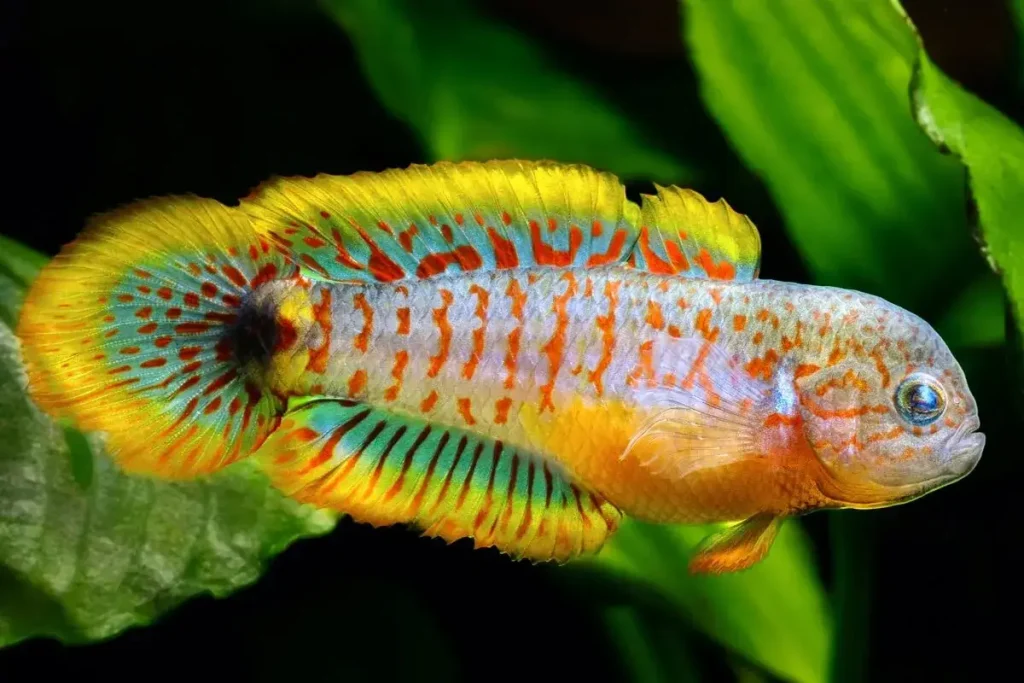 Moreover, its calm nature, manageable size, and fascinating breeding behavior make it even more appealing. Scientifically known as Tateurndina ocellicauda, Peacock Gudgeon, this species is sometimes referred to as the Peacock Gudgeon Goby, Peacock Goby, or Peacock Gudgeon Tateurndina Ocellicauda.
Although it is often called a goby, it belongs to a unique group of freshwater fish native to Papua New Guinea. In this complete guide, you will learn everything about Peacock Gudgeon care, habitat, lifespan, diet, tank setup, breeding, cleaning, and much more.
Peacock Gudgeon Overview
The Peacock Gudgeon fish is famous for its stunning colors and peaceful personality. It adapts well to home aquariums and can thrive for many years when given proper care.
| Category | Details |
| Common Name | Peacock Gudgeon |
| Scientific Name | Tateurndina ocellicauda |
| Family | Eleotridae |
| Origin | Papua New Guinea |
| Temperament | Peaceful |
| Size | 2.5–3 inches |
| Lifespan | 4–6 years |
| Diet | Omnivore |
| Care Level | Easy |
| Tank Size | 15–20 gallons minimum |
| Water Temperature | 72°F–80°F (22°C–27°C) |
| pH Level | 6.5–7.8 |
Peacock Gudgeon Origin and Natural Habitat
The Peacock Gudgeon originates from Papua New Guinea. In the wild, these fish live in slow-moving streams, ponds, and small rivers surrounded by dense vegetation.
Unlike many aggressive tropical fish, they prefer calm waters where they can hide among plants, roots, driftwood, and rocks. Their natural habitat contains plenty of cover, which helps them feel safe from predators.
Because of this, recreating a natural environment inside the aquarium significantly improves their health and behavior.
Where Do Peacock Gudgeons Live?
In nature, Peacock Gudgeons inhabit freshwater systems with warm temperatures and gentle water flow.
They are usually found in:
- Slow-moving streams
- Small rivers
- Shallow freshwater pools
- Plant-rich waterways
- Areas with submerged roots
- Leaf-covered riverbeds
These environments provide shelter and abundant food sources.
Peacock Gudgeon Appearance
One of the main reasons hobbyists choose a Peacock Gudgeon Goby is its incredible coloration.
The body displays:
- Bright blue shades
- Yellow fins
- Red markings
- Black eye spots
- Iridescent scales
When healthy, these colors become even more vibrant. Their appearance resembles tropical marine fish, which often surprises aquarium enthusiasts because they are actually freshwater fish.
Peacock Gudgeon Size
Many beginners ask about Peacock Gudgeon size before purchasing one.
Adult fish usually grow to:
- 2.5 inches on average
- Up to 3 inches in ideal conditions
Although they remain relatively small, they still require enough swimming space and hiding spots. Proper nutrition and stable water conditions can help them reach their full size.
Peacock Gudgeon Male vs Female
Understanding Peacock Gudgeon male vs female differences becomes important if you plan to breed them.
Male Peacock Gudgeon
- Larger body
- Brighter colors
- More pronounced forehead bump
- Longer fins
- More territorial during breeding
Female Peacock Gudgeon
- Smaller body
- Rounder shape
- Less intense coloration
- Yellow belly during breeding season
The male Peacock Gudgeon is generally easier to identify because of his larger head and brighter appearance.
Peacock Gudgeon Temperament
The Peacock Gudgeon is considered one of the most peaceful freshwater fish available. These fish rarely show aggression and usually coexist well with other peaceful species.
Their personality can be described as:
- Curious
- Gentle
- Active
- Social
- Non-aggressive
However, males may occasionally defend breeding caves. Fortunately, serious fighting is uncommon.
Peacock Gudgeon Care Guide
Proper Peacock Gudgeon care is relatively straightforward. Because they are hardy fish, beginners can successfully keep them with basic aquarium knowledge.
Key care requirements include:
- Stable water parameters
- Quality filtration
- Regular water changes
- Balanced diet
- Adequate hiding places
- Stress-free environment
Meeting these needs helps maintain vibrant colors and good health.
Peacock Gudgeon Tank Size
One of the most searched questions concerns Peacock Gudgeon tank size. Although these fish stay small, they should not be kept in tiny aquariums.
Recommended Tank Sizes
| Number of Fish | Tank Size |
| Pair | 15 Gallons |
| Small Group | 20 Gallons |
| Community Setup | 20–30 Gallons |
A larger aquarium offers better stability and reduces stress.
Ideal Tank Setup
A natural setup works best for Peacock Gudgeons.
Include:
- Live plants
- Driftwood
- Smooth rocks
- Small caves
- Sand or fine gravel substrate
Additionally, dense vegetation helps mimic their natural habitat.
Recommended plants include:
- Java Fern
- Anubias
- Amazon Sword
- Java Moss
- Cryptocoryne
These plants provide shelter and encourage natural behavior.
Water Parameters
Stable water conditions are essential.
Ideal Water Conditions
| Parameter | Range |
| Temperature | 72–80°F |
| pH | 6.5–7.8 |
| Hardness | 5–15 dGH |
| Ammonia | 0 ppm |
| Nitrite | 0 ppm |
| Nitrate | Under 20 ppm |
Testing water regularly helps prevent problems.
Best Peacock Gudgeon Tank Mates
Choosing compatible Peacock Gudgeon tank mates is important. Fortunately, their peaceful nature makes them suitable for many community aquariums.
Good Tank Mates
- Neon Tetras
- Ember Tetras
- Harlequin Rasboras
- Corydoras
- Kuhli Loaches
- Honey Gouramis
- Cherry Barbs
- Otocinclus Catfish
Tank Mates to Avoid
- Oscars
- Jack Dempseys
- Green Terrors
- Large Cichlids
- Aggressive Barbs
Peaceful companions help reduce stress and improve overall health.
Peacock Gudgeon Diet
A proper diet plays a major role in successful Peacock Gudgeon care. These fish are omnivores.
In the wild, they consume:
- Small insects
- Worms
- Larvae
- Tiny crustaceans
In captivity, they readily accept a variety of foods.
Best Food for Peacock Gudgeons
Recommended foods include:
Protein Foods
- Bloodworms
- Brine shrimp
- Daphnia
- Blackworms
Prepared Foods
- Quality pellets
- Micro pellets
- Flakes
- Frozen foods
Occasional Treats
- Mosquito larvae
- Tubifex worms
A varied diet promotes better coloration and breeding success.
Feeding Schedule
Feed adults:
- 1–2 times daily
- Small portions only
- Remove uneaten food
Overfeeding often leads to water quality problems. Therefore, moderation is essential.
Peacock Gudgeon Breeding
One reason many aquarists enjoy keeping Peacock Gudgeons is their fascinating breeding behavior. Breeding is generally easier than many other tropical fish species. Healthy adults frequently spawn under suitable conditions.
Breeding Tank Setup
For successful Peacock Gudgeon breeding, provide:
- 10–20-gallon breeding tank
- Stable temperature
- Clean water
- PVC tubes or caves
- High-protein foods
These conditions encourage spawning.
Spawning Behavior
The male selects a cave and attempts to attract a female. Once interested, the female enters the cave and lays eggs.
Afterward:
- The female leaves
- The male guards eggs
- The male fans eggs continuously
This behavior helps oxygenate developing embryos.
Egg Development
Eggs typically hatch within:
7–10 days
The exact timing depends on temperature and water quality. Once fry become free-swimming, they require special care.
Caring for Fry
Baby Peacock Gudgeon fish need tiny foods.
Suitable options include:
- Infusoria
- Baby brine shrimp
- Microworms
- Powdered fry food
Frequent feeding supports healthy growth.
Common Peacock Gudgeon Diseases
Although hardy, these fish can develop health problems.
Common issues include:
Ich Symptoms:
- White spots
- Scratching behavior
- Rapid breathing
Fin Rot Symptoms:
- Damaged fins
- Red edges
- Tissue deterioration
Fungal Infections Symptoms:
- Cotton-like growths
- White patches
Maintaining clean water greatly reduces disease risks.
Cleaning and Maintenance
Regular cleaning is essential for long-term success.
Weekly Tasks
- Change 20–30% water
- Remove debris
- Clean glass
- Check equipment
Monthly Tasks
- Inspect filter
- Trim plants
- Test water parameters
Consistent maintenance prevents major issues.
Fun Activities for Peacock Gudgeons
Keeping fish can be more engaging than many people realize.
Interesting activities include:
Create Natural Aquascapes
Designing planted environments stimulates natural behavior.
Observe Breeding Displays
Their courtship rituals are fascinating.
Rear Baby Fish
Watching fry grow into adults is highly rewarding.
Rearrange Decor Occasionally
New layouts encourage exploration and activity.
Is the Peacock Gudgeon a Good Pet?
Absolutely. The Peacock Gudgeon is considered an excellent pet fish.
Reasons include:
- Beautiful colors
- Peaceful temperament
- Easy care requirements
- Small size
- Community tank compatibility
- Interesting breeding behavior
Both beginners and experienced aquarists can enjoy this species.
Peacock Gudgeons for Sale
Many hobbyists search online for “Peacock Gudgeons for sale” or “Peacock Gudgeon for sale”.
These fish are commonly available through:
- Local fish stores
- Aquarium breeders
- Online aquarium retailers
- Specialty tropical fish shops
You may also find listings for:
- Peacock Goby for sale
- Peacock Goby Tateurndina Ocellicauda
- Peacock Gudgeon Tateurndina Ocellicauda
- Tateurndina Ocellicauda Peacock Gudgeon
Always purchase from reputable sellers with healthy stock.
Pros and Cons of Peacock Gudgeons
Pros
- Stunning coloration
- Peaceful nature
- Beginner friendly
- Small aquarium footprint
- Easy breeding
- Compatible with many fish
Cons
- Can be shy initially
- Prefer stable water conditions
- Males may become territorial during breeding
- Fry require special food
Expert Tips for Long-Term Success
Based on years of aquarium experience, the following tips can improve results:
- Keep water parameters stable.
- Avoid overcrowding.
- Feed a varied diet.
- Provide caves and hiding spots.
- Perform regular water changes.
- Quarantine new fish.
- Monitor behavior closely.
- Use quality filtration.
- Avoid aggressive tank mates.
- Maintain a planted aquarium whenever possible.
These practices help ensure healthy, colorful fish for years.
FAQs
1. What is a Peacock Gudgeon?
A Peacock Gudgeon is a small, colorful freshwater fish from Papua New Guinea. It is known for its peaceful nature, bright blue body, and yellow fins, making it a popular choice for community aquariums.
2. What is the ideal Peacock Gudgeon tank size?
The ideal Peacock Gudgeon tank size is at least 15–20 gallons for a small group. A larger tank helps maintain stable water conditions and reduces stress.
3. How big do Peacock Gudgeons get?
The Peacock Gudgeon usually grows to 2.5 to 3 inches when fully grown. They remain small, making them perfect for nano and community tanks.
4. What do Peacock Gudgeons eat?
Peacock Gudgeons are omnivores. Their diet includes bloodworms, brine shrimp, daphnia, flakes, and high-quality pellets. A protein-rich diet improves color and health.
5. Are Peacock Gudgeons peaceful fish?
Yes, Peacock Gudgeons are peaceful freshwater fish. They can live comfortably with other non-aggressive species in a community aquarium.
6. What are the best Peacock Gudgeon tank mates?
Good Peacock Gudgeon tank mates include neon tetras, ember tetras, corydoras, rasboras, kuhli loaches, and small peaceful gouramis.
7. How do you breed Peacock Gudgeons?
To breed them, provide caves or PVC pipes in a separate tank. The male guards the eggs after spawning, and fry hatch in about 7–10 days.
8. What is the lifespan of a Peacock Gudgeon?
The average Peacock Gudgeon lifespan is 4 to 6 years when kept in clean water with proper care and a balanced diet.
9. How can you identify male vs female Peacock Gudgeon?
Male Peacock Gudgeons are larger, more colorful, and have a slightly bulged forehead. Females are smaller and less brightly colored.
10. Is Peacock Gudgeon a good beginner fish?
Yes, the Peacock Gudgeon fish is beginner-friendly due to its peaceful nature, small size, and relatively easy care requirements in a well-maintained aquarium.
Final Thoughts
The Peacock Gudgeon is one of the most attractive freshwater fish available to aquarium hobbyists. With its bright colors, peaceful personality, manageable Peacock Gudgeon size, and relatively simple care requirements, it is easy to understand why so many fish keepers admire this species.
Whether you are interested in Peacock Gudgeon care, finding suitable Peacock Gudgeon tank mates, learning about Peacock Gudgeon breeding, or simply searching for healthy Peacock Gudgeons to add to your aquarium, this fish offers an enjoyable and rewarding experience.
By providing the proper Peacock Gudgeon tank size, maintaining clean water, offering a nutritious diet, and creating a natural environment, you can enjoy these beautiful fish for many years. For both beginners and experienced aquarists, the colorful Peacock Goby remains one of the best choices for a peaceful freshwater community aquarium.
I’ve also written helpful guides in the Animals category on Petstdigo, including detailed posts in the Care and Cleaning sections. These articles cover practical tips on pet grooming, skin and coat health, bathing routines, and overall well‑being. If you’re interested in learning more about how to keep your pet happy and healthy, feel free to explore those pages for useful advice and insights.