
If you are looking for a calm, unusual, and fascinating reptile, a Blue-Tongued Skink can be an excellent choice for the right keeper.
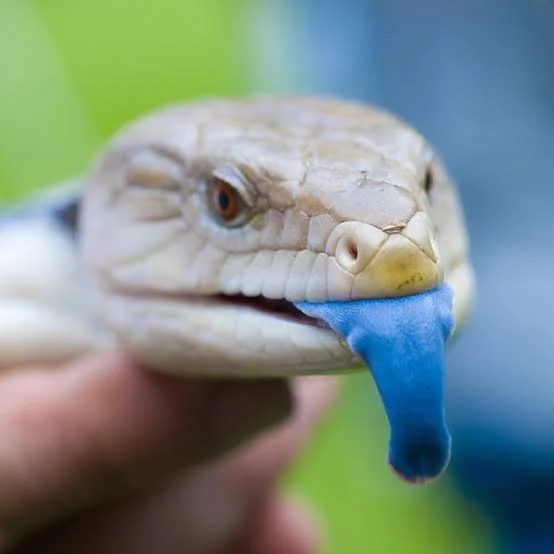 These sturdy Australian and New Guinea skinks are famous for their bright blue tongue, gentle personality, strong body, and relatively simple feeding routine.
However, they still need a properly sized enclosure, suitable heating, UVB lighting, correct humidity, a balanced diet, and regular care.
This complete guide explains Blue-Tongued Skink care, including size, lifespan, habitat, enclosure setup, diet, handling, cleaning, health, enrichment, and what to know before choosing one as a pet.
What Is a Blue-Tongued Skink?
A Blue-Tongued Skink is a terrestrial lizard belonging to the genus Tiliqua.
The name comes from its most recognizable feature: a wide, bright blue tongue that it displays when it feels threatened or wants to discourage a potential predator.
Although they may look intimidating when they open their mouth and show their tongue, healthy captive blue tongue skinks are often calm and manageable when handled gently and consistently.
They are primarily ground-dwelling reptiles rather than climbing lizards. During the day, they spend time moving around, basking, searching for food, and exploring their surroundings. At night, they usually retreat into a secure hiding place.
The term blue-tongued skink is also commonly used online, while “blue tongue skink” and “blue-tongue skink” are other common variations.
Blue-Tongued Skink Origin and Natural History
Blue-tongued skinks are native to Australia, Tasmania, Indonesia, and parts of New Guinea, depending on the species or locality.
They occur in different environments, ranging from woodland and grassland to dry inland regions. Their natural habitats have shaped their care requirements.
For example, Australian types can have different humidity needs from some Indonesian blue-tongued skinks.
Therefore, identifying the exact species or locality is important before setting up an enclosure.
Quick Blue-Tongued Skink Facts
| Feature | General Information |
| Scientific genus | Tiliqua |
| Type | Terrestrial lizard |
| Diet | Omnivorous |
| Adult size | Commonly around 15–24 inches |
| Lifespan | Often 15–20 years with good care |
| Activity | Mainly diurnal |
| Famous feature | Bright blue tongue |
| Enclosure | Large, secure terrestrial enclosure |
| UVB | Recommended |
| Social housing | Usually best kept alone |
| Temperament | Often calm with proper handling |
| Difficulty | Beginner to intermediate |
These figures are general because different species and localities can vary considerably.
Where Do Blue-Tongued Skinks Live?
In the wild, blue-tongued skinks generally stay close to the ground. They may move through leaf litter, grass, woodland floors, scrub, open country, and rocky or semi-arid areas.
They use natural shelters such as:
- Fallen logs
- Rocks
- Leaf litter
- Thick vegetation
- Burrows and ground-level hiding areas
- Gaps beneath natural debris
A good captive habitat should therefore provide more than an empty floor.
Hiding places, suitable substrate, a basking area, and a cooler retreat allow the skink to behave more naturally.
Types of Blue-Tongued Skinks
There are several recognized species and forms within the genus Tiliqua. Common names used by breeders and pet keepers can sometimes overlap, so buyers should confirm the scientific name and locality.
| Type | Scientific Name | General Range or Notes |
| Eastern Blue-Tongued Skink | Tiliqua scincoides | Eastern Australia |
| Northern Blue-Tongued Skink | T. s. intermedia | Northern Australia |
| Western Blue-Tongued Skink | Tiliqua occipitalis | Western Australia |
| Centralian Blue-Tongued Skink | Tiliqua multifasciata | Central Australia |
| Indonesian Blue-Tongued Skink | Tiliqua gigas group | Indonesia and New Guinea region |
| Blotched Blue-Tongued Skink | Tiliqua nigrolutea | Southeastern Australia and Tasmania |
| Shingleback | Tiliqua rugosa | Southern and western Australia |
| Pygmy Blue-Tongued Skink | Tiliqua adelaidensis | South Australia |
Taxonomy and common-name usage can vary between references, so the exact species should always be confirmed.
Giant Blue-Tongued Skink
You may also see the phrase giant blue tongue skink in reptile listings and searches. This is generally a descriptive or trade term rather than the name of one separate giant species.
Larger individuals and localities can appear much more substantial than smaller types.
Blue-Tongued Skink Size
The blue-tongued skink size depends on the species, locality, age, sex, and individual genetics. Many adult blue-tongued skinks reach approximately 15–24 inches (38–61 cm) in total length.
Some are considerably heavier and more robust than others. A healthy adult should have a strong, muscular appearance rather than looking extremely thin or excessively obese.
Baby blue-tongued skinks are naturally much smaller. They require appropriately sized hides, food portions, and enclosure arrangements that allow them to feel secure.
Because these reptiles grow into large, heavy-bodied lizards, planning an adult enclosure from the beginning is important.
Blue-Tongued Skink Lifespan
A well-cared-for blue-tongued skink can commonly reach around 15–20 years, and some individuals may live longer.
Their long lifespan is one of the most important things to consider before getting one as a pet. Buying a young skink means potentially committing to many years of care.
A healthy lifespan depends on:
- Proper nutrition
- Correct temperatures
- Suitable UVB exposure
- Appropriate humidity
- Clean housing
- Safe substrate
- Regular observation
- Proper body weight
- Veterinary attention when needed
Is a Blue-Tongued Skink a Good Pet?
Yes, a blue-tongued skink pet can be a very rewarding choice for someone who understands reptile care.
They are often appreciated because they are:
- Intelligent and curious
- Interesting to observe
- Usually terrestrial
- Relatively sturdy
- Often calm when properly socialized
- Omnivorous rather than strictly insectivorous
However, they are not completely effortless pets. Their enclosure takes up considerable space, and heating, UVB, humidity, diet, and hygiene must be managed correctly.
They also have a long lifespan. For these reasons, they can be suitable for beginners who are willing to learn proper reptile husbandry, but they should not be treated as a low-maintenance pet.
Blue-Tongued Skink Enclosure Setup
A proper blue-tongued skink enclosure should be spacious, secure, well-ventilated, and easy to clean. An adult needs considerably more room than a small baby.
A commonly recommended starting point is around 4 feet by 2 feet of floor space for an adult, with larger being even better when practical.
The enclosure should include:
- A warm basking area
- A cooler area
- At least two secure hides
- Appropriate substrate
- UVB lighting
- Temperature monitoring
- A shallow water dish
- Food dish
- Clutter and enrichment
Because blue tongue skinks are strong reptiles, the enclosure should have secure doors and ventilation that prevent escapes while maintaining appropriate environmental conditions.
Substrate
A natural-looking, moisture-appropriate substrate can help support normal behavior.
Depending on species and humidity requirements, suitable options may include reptile-safe soil-based or mulch-type substrates.
Avoid dusty or potentially dangerous substrates such as loose calcium sand, walnut shell, corn cob, and other materials that can create respiratory or ingestion risks.
A reasonably deep substrate layer also allows natural digging and burrowing behavior.
Temperature and Basking Area
A temperature gradient is essential.
Instead of making the entire enclosure equally hot, create:
- A warm basking zone
- A moderate middle area
- A cooler retreat
A general basking target may be around 30–32°C (86–90°F), with some young animals or specific husbandry setups requiring a slightly warmer basking surface.
Always consider the exact species or locality. Use a reliable digital thermometer and a thermostat-controlled heating system. Never rely only on how warm the enclosure feels to your hand.
The skink must be able to move away from the heat whenever it wants.
UVB Lighting
UVB lighting is an important part of responsible blue tongue skink care. Appropriate UVB exposure supports normal vitamin D3 production and calcium metabolism.
A suitable linear UVB lamp positioned correctly over the enclosure can provide a useful gradient.
Remember that:
- UVB bulbs have a limited useful lifespan.
- The correct distance depends on the bulb and fixture.
- Mesh tops can reduce UVB output.
- The skink needs access to shade.
- Albino or light-sensitive animals may require different UVB considerations.
A good setup provides access to UVB without forcing the animal to remain under it constantly.
Humidity
Humidity should not be treated as one universal number for every blue-tongued skink. Australian and Indonesian types can have different environmental requirements.
Indonesian blue-tongued skinks generally need more humid conditions than many Australian localities.
Provide:
- Species-appropriate humidity
- Good ventilation
- A suitable substrate
- A secure hide
- A reliable digital hygrometer
Too much stagnant moisture can create problems, while excessively dry conditions may contribute to poor shedding and other husbandry issues.
Blue-Tongued Skink Diet
The blue-tongued skink diet is omnivorous and should contain both animal and plant foods. A varied diet is much better than relying on one food item repeatedly.
Suitable foods can include:
Animal-Based Foods
- Appropriately sized insects
- Dubia roaches
- Crickets
- Earthworms
- Snails
- High-quality cooked egg
- Appropriate lean animal protein
Plant-Based Foods
- Dark leafy greens
- Squash
- Green beans
- Bell pepper
- Carrot in moderation
- Safe leafy vegetable
- Other suitable reptile-safe vegetables
Fruit
Fruit should be offered in moderation rather than becoming a major part of the diet.
Small amounts of suitable fruit can provide variety, but excessive fruit may contribute too much sugar and an unbalanced diet. Avoid foods such as avocado, onion, and other known unsafe foods.
Blue-Tongued Skink Feeding Schedule
Feeding frequency changes as the animal grows.
A general approach is:
| Age | General Feeding Pattern |
| Baby | Frequent small meals, often daily |
| Juvenile | Several meals per week |
| Adult | Usually one or two meals per week |
Adjust the schedule based on body condition, activity, species, and diet. A baby blue-tongued skink should not simply receive the same portions as a large adult.
Food should be appropriately sized and varied. Overfeeding is also a concern because these reptiles can become overweight in captivity.
Supplements and Water
Calcium and other supplements may be useful when appropriate, but supplementation should complement a balanced diet rather than compensate for poor nutrition.
Use supplements according to the animal’s diet, UVB setup, age, and veterinary or experienced husbandry guidance. Always keep fresh drinking water available in a sturdy, shallow dish.
Change dirty water promptly and clean the bowl regularly.
Handling a Blue-Tongued Skink
Many blue-tongued skinks become comfortable with gentle human interaction.
When handling:
- Approach slowly.
- Avoid grabbing suddenly from above.
- Support the body properly.
- Keep all four feet supported when possible.
- Allow the skink to investigate your hands.
- Keep early sessions short.
- Return it to the enclosure if it becomes highly stressed.
Never force interaction with a skink that is repeatedly showing defensive behavior. The famous blue-tongued skink tongue is primarily a defensive display.
Opening the mouth and exposing the blue tongue can make the animal look much larger and more threatening to predators.
Blue-Tongued Skink Behavior
Blue-tongued skinks are generally active during the daytime.
You may see your skink:
- Basking
- Exploring
- Digging
- Searching for food
- Hiding
- Tongue-flicking
- Moving between warm and cool areas
Tongue-flicking is a normal behavior used to gather environmental information.
A newly acquired skink may spend more time hiding. With patience and consistent care, many become more confident.
Fun Activities and Enrichment
A reptile enclosure should not be empty.
Safe enrichment can include:
- Cork bark
- Logs
- Large stable rocks
- Multiple hides
- Leaf litter
- Digging areas
- Safe tunnels
- Rearranged enclosure furniture occasionally
You can also encourage natural foraging by placing food in different safe locations rather than always offering it from the same spot.
All heavy decorations must be positioned securely so they cannot fall and injure the skink.
Cleaning a Blue-Tongued Skink Enclosure
Good hygiene is essential.
Daily or Frequent Cleaning
Remove:
- Feces
- Urates
- Spoiled food
- Wet or contaminated substrate
- Dirty water
Deeper Cleaning
Perform regular deeper cleaning using a reptile-safe disinfectant according to its instructions.
After cleaning, rinse where appropriate and allow surfaces to dry before returning the animal.
Always wash your hands after handling the skink, its food, water bowl, substrate, or waste because reptiles can carry bacteria such as Salmonella.
Common Blue-Tongued Skink Health Problems
Poor husbandry can contribute to health problems.
Potential concerns include:
- Metabolic bone disease
- Obesity
- Respiratory infections
- Parasites
- Vitamin deficiencies
- Mouth problems
- Retained shed
- Injuries
- Dehydration
Warning signs include:
- Sudden loss of appetite
- Weakness
- Difficulty breathing
- Swollen mouth
- Persistent lethargy
- Abnormal movement
- Significant weight loss
- Repeated abnormal shedding
- Discharge from the nose or mouth
A reptile veterinarian should evaluate concerning symptoms rather than attempting to treat serious illness at home.
Signs of a Healthy Blue-Tongued Skink
A healthy animal generally has:
- Clear eyes
- Smooth, intact skin
- Good muscle tone
- Normal movement
- Regular appetite
- A strong body
- Normal tongue and mouth appearance
- No persistent nasal discharge
- No unexplained swelling
Regular observation helps you notice changes before they become serious.
Shedding
Blue tongue skinks shed their skin as they grow. During shedding, the skin may look dull or loose. Avoid pulling pieces of skin from the animal.
Instead, make sure the enclosure has appropriate humidity for the species and provide a suitable environment where the skink can complete the process naturally.
Persistent retained shed, especially around toes or other sensitive areas, deserves attention.
Can Blue-Tongued Skinks Live Together?
Generally, it is safer to house blue-tongued skinks individually.
Although they may tolerate each other under certain circumstances, cohabitation can create competition over:
- Food
- Heat
- Hides
- Territory
- Space
A large enclosure does not automatically eliminate territorial or stress-related problems. Individual housing makes it easier to monitor eating, behavior, weight, and health.
How Much Does a Blue-Tongued Skink Cost?
The blue-tongued skink price varies significantly depending on species, locality, age, captive-bred status, breeder, rarity, and availability. The purchase price is only part of the cost.
You should also budget for:
- Large enclosure
- Heating equipment
- Thermostat
- UVB fixture and bulb
- Substrat
- Hides
- Food
- Supplements
- Thermometers and hygrometers
- Veterinary care
If you see a blue tongue skink for sale, do not make your decision based only on the lowest price.
Searches such as blue-tongued skink for sale, blue tongue skink sale, and blue tongue skink buy can lead to many different sellers, so carefully evaluate the source.
Ask about:
- Exact species or locality
- Captive-bred history
- Age
- Feeding history
- Health
- Current enclosure conditions
- Any known medical problems
Responsible sourcing is more important than getting the cheapest animal.
Choosing a Blue-Tongued Skink
Before buying, spend time researching the exact type you want. A responsible seller should be able to provide useful information about the animal rather than simply advertising a blue-tongued skink for sale.
Look for an animal that appears alert, active, well-bodied, and free from obvious signs of illness. Avoid rushing into a purchase because a particular skink looks unusual or is advertised as a rare morph.
The best choice is a healthy animal from a responsible source with clear information about its history.
Blue-Tongued Skink Pros and Cons
| Pros | Cons |
| Often calm with proper handling | Requires a large enclosure |
| Fascinating appearance | Long-term commitment |
| Omnivorous diet | Heating and UVB are necessary |
| Active during the day | Setup can be expensive |
| Interesting natural behaviors | Can become overweight |
| Can suit experienced beginners | Needs regular cleaning |
Blue-Tongued Skink Care Checklist
Before bringing one home, make sure you have:
- Correctly identified species or locality
- Large secure enclosure
- Appropriate substrate
- Basking area
- Temperature gradient
- Thermostat
- UVB lighting
- Digital thermometers
- Hygrometer
- Multiple hides
- Stable decorations
- Shallow water dish
- Balanced food plan
- Appropriate supplements
- Cleaning supplies
- Access to reptile veterinary care
Expert Care Note
The most important part of successful Blue-Tongued Skink care is not buying expensive equipment or creating the most decorative enclosure.
It is maintaining the correct environmental conditions consistently. Species and locality matter, particularly for temperature and humidity.
Therefore, avoid treating every blue-tongued skink as if it has identical requirements.
Monitor temperatures and humidity with reliable equipment, provide appropriate UVB, offer a varied diet, maintain cleanliness, and watch the animal’s body condition.
Responsible reptile ownership also means planning for the skink’s long lifespan and veterinary needs before bringing one home.
FAQs
1. Are Blue-Tongued Skinks good pets?
Yes. They can be excellent pets for keepers who can provide enough space, proper heating, UVB, nutrition, hygiene, and long-term care.
2. How long does a Blue-Tongued Skink live?
A well-cared-for blue-tongued skink commonly lives around 15–20 years, although some individuals can live longer.
3. How big does a Blue-Tongued Skink get?
Many adults reach roughly 15–24 inches in total length, although size varies between species and individuals.
4. What does a Blue-Tongued Skink eat?
They are omnivores and need a varied combination of suitable animal-based foods and vegetables, with fruit offered sparingly.
5. Do Blue-Tongued Skinks need UVB?
UVB is an important part of responsible captive husbandry and should be provided using an appropriate setup.
6. Are Blue-Tongued Skinks friendly?
Many become calm and comfortable with regular, gentle handling. However, individual personalities differ.
7. What size enclosure does a Blue-Tongued Skink need?
An adult generally needs a large terrestrial enclosure, with around 4 × 2 feet commonly used as a starting point. More floor space is beneficial when possible.
8. Can Blue-Tongued Skinks live together?
Individual housing is generally the safer choice because cohabitation can cause competition, territorial behavior, and stress.
9. Why is a Blue-Tongued Skink’s tongue blue?
The bright blue tongue is used as a defensive display. When threatened, the skink may open its mouth and show the tongue to appear more intimidating.
10. Is a Blue-Tongued Skink suitable for beginners?
They can be suitable for a well-prepared beginner, but they should not be considered completely low-maintenance pets. Their size, lifespan, enclosure, and environmental requirements must be understood first.
11. What is the best Blue-Tongued Skink for beginners?
There is no single universally best type. Beginners should choose a healthy, responsibly sourced animal after researching the exact species or locality and its husbandry requirements.
12. How often should an adult Blue-Tongued Skink eat?
Many adults are fed around once or twice a week, but portions and frequency should be adjusted according to age, activity, species, and body condition.
Final Thoughts
A Blue-Tongued Skink is a remarkable reptile with a unique appearance, curious behavior, and a famous blue tongue.
With the right setup, many can become calm and enjoyable pets. However, successful care requires commitment.
A large enclosure, suitable temperature gradient, UVB lighting, appropriate humidity, balanced omnivorous diet, clean habitat, enrichment, and regular health observation are all important.
If you are considering a blue-tongued skink pet, research the exact species or locality first rather than choosing an animal simply because it looks interesting.
With responsible preparation and consistent husbandry, these fascinating skinks can thrive in captivity for many years.
I’ve created helpful guides in the Birds category on Petstdigo, featuring posts in Care, Cleaning, and Fun Activities. These guides share practical tips on grooming, skin and coat health, bathing routines, nutrition, playtime ideas, and calming solutions to keep your pets happy and healthy. Explore these pages for easy-to-follow advice and insights to support your pet’s overall well-being.