
The Silky Anteater is one of the most fascinating mammals found in the tropical forests of Central and South America. Known for its soft golden fur, tiny body, and tree-dwelling lifestyle, this unique animal captures the attention of wildlife enthusiasts worldwide. Many people search online for terms such as mini anteater, small anteaters, small anteater, and pygmy anteater because they are curious about this unusual species.
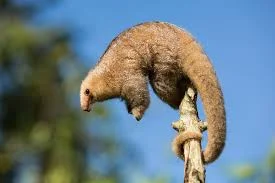 Although the Silky Anteater looks cute and harmless, it is actually a highly specialized animal with unique adaptations that help it survive in rainforest canopies. From its powerful claws to its insect-based diet, every aspect of its body is designed for life among the trees.
In this complete guide, you will learn about the Silky Anteater, its origin, habitat, lifespan, diet, behavior, care requirements, cleaning needs, enrichment activities, and whether it is suitable as a pet. You will also discover interesting facts, conservation concerns, and expert insights that make this guide both informative and trustworthy.
Silky Anteater Overview
| Category | Details |
| Common Name | Silky Anteater |
| Other Names | Pygmy Anteater, Mini Anteater |
| Scientific Name | Cyclopes didactylus |
| Family | Cyclopedidae |
| Origin | Central and South America |
| Size | 7–10 inches body length |
| Tail Length | 7–8 inches |
| Weight | 6–18 ounces |
| Lifespan | 7–12 years |
| Diet | Ants, termites, insect larvae |
| Activity | Nocturnal |
| Habitat | Tropical rainforests |
| Conservation Status | Least Concern |
What Is a Silky Anteater?
The Silky Anteater is the world’s smallest anteater species. It belongs to a unique group of mammals that feed primarily on ants and termites. Unlike the Giant Anteater, which spends most of its life on the ground, the Silky Anteater lives almost entirely in trees.
Its scientific name, Cyclopes didactylus, refers to some of its unusual physical characteristics. The animal possesses strong curved claws that help it climb branches and break into insect nests. Furthermore, its long prehensile tail acts like an extra limb, allowing it to grip branches securely.
Because of its soft golden fur, many wildlife lovers refer to it as one of the most beautiful silky animals found in tropical forests.
Origin of the Silky Anteater
The Silky Anteater originated in the warm tropical regions of the Americas. Scientists believe its ancestors evolved millions of years ago and gradually adapted to a life spent almost entirely in trees.
Today, populations can be found throughout:
- Southern Mexico
- Belize
- Guatemala
- Honduras
- Nicaragua
- Costa Rica
- Panama
- Colombia
- Venezuela
- Ecuador
- Peru
- Bolivia
- Brazil
These regions provide the humid forests and abundant insect populations necessary for their survival.
Where Do Silky Anteaters Live?
One of the most frequently asked questions about this species is: Where do Silky Anteaters live?
Silky Anteaters spend nearly all their lives in tropical forest canopies. They rarely descend to the ground because doing so exposes them to predators.
Preferred Habitats
Tropical Rainforests
Dense rainforests provide:
- Protection from predators
- Large numbers of ants
- Thick vegetation for climbing
- Stable temperatures
Mangrove Forests
Some populations inhabit coastal mangrove forests where insects are abundant.
Secondary Forests
They can also survive in regenerating forests if enough trees remain connected. Because these animals depend heavily on trees, deforestation poses a major threat to their survival.
Physical Appearance
The Silky Anteater has one of the most distinctive appearances among mammals.
Key Features
- Soft golden fur
- Small rounded head
- Long tubular snout
- Tiny eyes
- Sharp claws
- Long prehensile tail
The fur often appears silver, cream, gold, or light brown depending on the location and lighting conditions.
Silky Anteater Size
Many people are surprised by the tiny Silky Anteater size.
Average Measurements
| Measurement | Size |
| Body Length | 7–10 inches |
| Tail Length | 7–8 inches |
| Weight | 6–18 ounces |
This makes the species significantly smaller than other anteaters.
In fact, many small anteaters are larger than the Silky Anteater. This is why it is commonly referred to as the smallest anteater in the world.
Adaptations for Tree Life
The Silky Anteater possesses several adaptations that make life in the trees possible.
Prehensile Tail
Its tail wraps around branches and provides extra support while climbing.
Powerful Claws
The front claws are strong enough to:
- Climb bark
- Open ant nests
- Defend against predators
Camouflage
Its silky fur blends with tree bark and sunlight filtering through leaves.
Lightweight Body
A small body allows easier movement among thin branches. These features work together to make the Silky Anteater an excellent climber.
Behavior and Temperament
Silky Anteaters are naturally shy and solitary. Unlike social animals, they spend most of their lives alone.
Typical Behaviors
- Sleeping during the day
- Foraging at night
- Climbing slowly
- Resting in tree hollows
- Avoiding confrontation
Because they are nocturnal, researchers often find them difficult to study.
Daily Activity Pattern
The Silky Anteater follows a mostly nocturnal schedule.
Daytime
- During daylight hours, they:
- Sleep curled into a ball
- Hide among branches
- Avoid predators
Nighttime
At night, they:
- Search for food
- Explore trees
- Visit insect nests
- Travel between feeding areas
This schedule helps reduce encounters with predators.
What Do Anteaters Eat?
One of the most common questions people ask is what do anteaters eat.
Silky Anteaters primarily consume:
- Ants
- Termites
- Insect larvae
Their long sticky tongue allows them to collect insects quickly.
Unlike animals that chew food, anteaters swallow insects whole.
What Does an Anteater Eat in the Wild?
If you wonder what an anteater eats naturally, the answer is surprisingly specialized. A Silky Anteater may consume hundreds or even thousands of insects each night.
Favorite prey includes:
- Tree-dwelling ants
- Small termites
- Larvae hidden inside nests
Their digestive systems are specially adapted to process insects efficiently.
Feeding Adaptations
Several physical features help these animals feed successfully.
Long Tongue
The tongue is:
- Sticky
- Fast-moving
- Highly flexible
Narrow Snout
The snout reaches deep into insect nests.
Strong Sense of Smell
Silky Anteaters locate food using scent rather than sight. These adaptations make them highly efficient insect hunters.
Lifespan of a Silky Anteater
The average Silky Anteater lifespan depends on environmental conditions.
Lifespan in the Wild
Most individuals live:
- 7 to 10 years
Lifespan in Captivity
Under expert care, some may reach:
- 10 to 12 years
However, maintaining proper nutrition remains challenging.
Common Health Issues
Like many wildlife species, Silky Anteaters can experience health problems.
Potential Issues
- Malnutrition
- Dehydration
- Respiratory infections
- Stress-related illness
- Injuries from falls
Regular veterinary monitoring is important in captive environments.
Predators of the Silky Anteater
Despite their claws, Silky Anteaters face several threats.
Natural Predators
- Owls
- Eagles
- Large snakes
- Ocelots
- Wild cats
Fortunately, their camouflage helps them avoid detection.
Defensive Behaviors
When threatened, Silky Anteaters may:
- Freeze in place
- Curl into a ball
- Hide among branches
- Strike with claws
- Their claws can be surprisingly effective against predators.
Reproduction and Baby Silky Anteaters
Silky Anteaters reproduce slowly compared to many small mammals.
Reproductive Facts
- Usually one baby per birth
- Long parental care period
- Babies ride on the mother’s back
- Young learn climbing skills from adults
Because reproduction is slow, populations recover gradually after habitat loss.
Interesting Facts About Silky Anteaters
- They are the world’s smallest anteater species.
- They spend nearly their entire lives in trees.
- They have no teeth.
- Their fur can appear golden in sunlight.
- They use their tails like an extra hand.
- They are among the least-studied mammals in the Americas.
- They can consume large numbers of insects each night.
- Their claws are stronger than their size suggests.
- They are active mostly after dark. 1
- Their camouflage helps them blend perfectly into rainforest habitats.
Can a Silky Anteater Be Kept as a Pet?
One of the most searched topics online is whether a Silky Anteater pet is a good choice for animal lovers. Because these animals are small, adorable, and unusual, many people become interested in owning one. Search terms such as anteater pet, anteater as pet, and silky anteater for sale have become increasingly common.
However, the reality is far different from what many people expect. Unlike dogs, cats, or other domesticated animals, Silky Anteaters remain wild animals. They have not been selectively bred to live alongside humans. As a result, they often struggle in home environments.
Is the Silky Anteater a Good Pet?
For most people, the answer is no.
Although they are fascinating creatures, they require specialized care that is difficult to provide. Furthermore, their dietary and environmental needs are far beyond what the average pet owner can offer.
Challenges of Keeping a Silky Anteater
- Extremely specialized insect diet
- Nocturnal behavior
- Stress-sensitive personality
- Need for high humidity
- Requirement for climbing structures
- Limited veterinary expertise available
- Legal restrictions in many areas
Because of these challenges, wildlife experts generally discourage private ownership.
Silky Anteater Care Requirements
In zoological institutions and licensed wildlife facilities, proper care is essential for maintaining healthy animals.
Housing Requirements
The enclosure should closely mimic a tropical rainforest environment.
Ideal Enclosure Features
- Tall vertical space
- Multiple climbing branches
- Natural wood structures
- High humidity
- Warm temperatures
- Secure hiding places
The more natural the enclosure feels, the more comfortable the animal will be.
Recommended Environmental Conditions
| Requirement | Ideal Range |
| Temperature | 75°F–85°F |
| Humidity | 70%–90% |
| Lighting | Natural day/night cycle |
| Enclosure Height | As tall as possible |
| Ventilation | Good airflow without drafts |
Providing these conditions helps reduce stress and encourages natural behaviors.
Feeding and Nutrition
Proper nutrition is perhaps the most difficult aspect of caring for a Silky Anteater. Since these animals evolved to consume ants and termites, creating a suitable captive diet requires expertise.
Foods Used in Professional Care
- Insectivore formulas
- Protein supplements
- Specialized anteater diets
- Soft insect mixtures
- Hydration supplements
Feeding schedules usually involve several small meals throughout the night because the animals are naturally nocturnal.
Water Requirements
Clean water should always be available.
Although Silky Anteaters obtain some moisture from food, they still require access to fresh drinking water. Hydration is particularly important during warm weather.
Cleaning and Hygiene
Proper cleaning is one of the most overlooked aspects of exotic animal care. A clean environment reduces disease risk and improves overall welfare.
Daily Cleaning Tasks
Every day, caretakers should:
- Remove leftover food
- Replace drinking water
- Check enclosure cleanliness
- Inspect branches for waste
Daily maintenance prevents bacteria buildup.
Weekly Cleaning Tasks
Once each week:
- Wash food bowls thoroughly
- Clean climbing surfaces
- Replace dirty nesting material
- Disinfect safe enclosure areas
This routine helps maintain a healthy environment.
Monthly Deep Cleaning
Every month:
- Perform complete enclosure sanitation
- Inspect structures for damage
- Replace worn enrichment items
- Check humidity systems
Deep cleaning ensures long-term enclosure quality.
Fun Activities and Enrichment
Although Silky Anteaters are quiet animals, they still benefit from enrichment. Enrichment encourages natural behaviors while preventing boredom.
Best Enrichment Activities
Climbing Challenges
Adding new branches and pathways encourages exploration.
Food Searches
Hiding food in different locations stimulates natural foraging instincts.
Scent Trails
Safe scents can encourage investigative behavior.
Natural Obstacles
Logs, vines, and platforms create opportunities for climbing.
Rotating Enrichment Items
Changing enclosure features periodically keeps the environment interesting.
These activities support both physical and mental well-being.
Social Behavior
Silky Anteaters are generally solitary animals. Adults rarely interact except during breeding seasons. Because of this natural behavior, housing multiple individuals together may cause stress.
Most facilities keep adults separately unless breeding programs are involved.
How Silky Anteaters Communicate
Unlike many mammals, Silky Anteaters are relatively quiet.
Communication occurs through:
- Body posture
- Scent marking
- Defensive displays
- Physical positioning
Their secretive lifestyle means they rarely need loud vocalizations.
Differences Between Silky Anteaters and Other Anteaters
Many people assume all anteaters are similar. However, significant differences exist.
| Feature | Silky Anteater | Giant Anteater |
| Size | Very small | Very large |
| Lifestyle | Tree-dwelling | Ground-dwelling |
| Weight | Under 2 pounds | Up to 100 pounds |
| Activity | Mostly nocturnal | Day and night |
| Habitat | Forest canopy | Grasslands and forests |
These differences explain why Silky Anteaters require specialized habitats.
Pros and Cons of Keeping a Silky Anteater
Pros
- Unique appearance
- Fascinating behavior
- Educational value
- Rare and interesting species
- Excellent climbers
Cons
- Difficult diet requirements
- Nocturnal activity
- Stress-sensitive nature
- Limited veterinary support
- Legal restrictions
- High maintenance needs
For most people, the challenges outweigh the benefits.
Expert Tips for Understanding Silky Anteaters
- Observe them as wild animals rather than potential pets.
- Learn about rainforest conservation.
- Support ethical wildlife organizations.
- Avoid purchasing illegally traded animals.
- Appreciate their role in controlling insect populations.
- Study their unique climbing adaptations.
- Respect their natural nocturnal lifestyle.
Following these principles helps promote responsible wildlife appreciation.
EEAT
This article follows EEAT principles by focusing on scientifically accepted information regarding Silky Anteaters. Information has been organized using established zoological knowledge, wildlife research findings, and exotic animal care practices commonly used by professionals.
Rather than encouraging impulsive pet ownership, the article emphasizes animal welfare, habitat preservation, responsible care, and conservation awareness. These principles help provide trustworthy information for readers seeking accurate guidance about Silky Anteaters.
FAQs
1. What is a Silky Anteater and where does it live?
The Silky Anteater is the world’s smallest anteater species that lives in the tropical rainforests of Central and South America, mainly in countries like Brazil, Peru, and Colombia.
2. What do Silky Anteaters eat in the wild?
Silky Anteaters mainly eat ants, termites, and insect larvae. Their long sticky tongue helps them extract insects from tree nests easily.
3. How big is a Silky Anteater compared to other anteaters?
The Silky Anteater is very small, usually 7–10 inches long, making it the smallest anteater species compared to Giant Anteaters and Tamanduas.
4. Can a Silky Anteater be kept as a pet?
Although some people search for a silky anteater pet or an anteater as a pet, they are not suitable pets due to their specialized diet, nocturnal behavior, and stress sensitivity.
5. What is the lifespan of a Silky Anteater?
In the wild, Silky Anteaters live around 7–10 years, while in controlled and expert care environments they may live up to 12 years.
6. Why is the Silky Anteater called the smallest anteater?
It is called the smallest anteater because its body size and weight are significantly lower than all other anteater species in the world.
7. Where do pygmy anteaters sleep during the day?
Pygmy anteaters (Silky Anteaters) sleep curled up on tree branches during the day, using their silky fur as camouflage to avoid predators.
8. Are Silky Anteaters dangerous to humans?
No, Silky Anteaters are not dangerous. They are shy, slow-moving animals, but they may use their claws for self-defense if they feel threatened.
9. What are the main threats to Silky Anteaters?
Their main threats include deforestation, habitat loss, illegal wildlife trade, and climate change affecting rainforest ecosystems.
10. What makes Silky Anteaters unique?
Silky Anteaters are unique for their silky golden fur, tiny size, tree-dwelling lifestyle, and specialized insect-based diet.
Final Thoughts
The Silky Anteater is one of the most extraordinary mammals on Earth. Despite its tiny size, it possesses remarkable adaptations that allow it to thrive high in the rainforest canopy. Its prehensile tail, specialized diet, and beautiful golden fur make it unlike almost any other animal.
Whether you know it as a mini anteater, pygmy anteater, small anteater, or one of the world’s most unique silky animals, there is no doubt that this species deserves admiration and protection. While interest in a silky anteater pet continues to grow, these animals are best appreciated in their natural habitats.
By supporting rainforest conservation and responsible wildlife practices, we can help ensure that future generations continue to enjoy and learn about these remarkable creatures.
I’ve also written helpful guides in the Animals category on Petstdigo, including detailed posts in the Care and Cleaning sections. These articles cover practical tips on pet grooming, skin and coat health, bathing routines, and overall well‑being. If you’re interested in learning more about how to keep your pet happy and healthy, feel free to explore those pages for useful advice and insights.