
The Pictus Gecko is a small, attractive terrestrial gecko from Madagascar that has become popular with reptile keepers because of its manageable size, interesting patterns, active personality, and relatively simple care requirements.
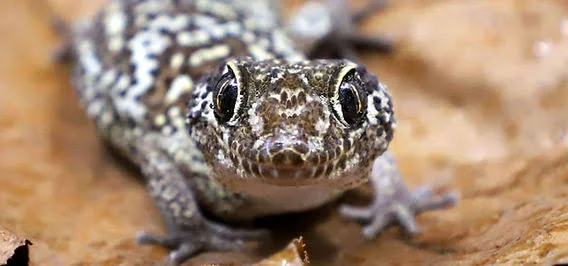 Also called the Madagascar Ground Gecko, Panther Gecko, or Ocelot Gecko, this insect-eating species can make an excellent pet when its enclosure, diet, heating, humidity, and hiding areas are properly managed.
Although Pictus Geckos are small, they still need a thoughtfully designed habitat.
A suitable enclosure should provide enough floor space, secure hides, appropriate temperatures, a humid retreat, and opportunities to hunt and explore.
With consistent care, a healthy gecko can remain an enjoyable pet for many years.
Pictus Gecko Care Guide for Beginners
Pictus Gecko care is relatively straightforward compared with many larger or more demanding reptiles. However, beginners should understand that simple care does not mean no care.
The enclosure still needs correct temperature gradients, controlled humidity, suitable lighting, nutritious feeder insects, calcium supplementation, and regular cleaning.
The species is primarily terrestrial and spends much of its active time close to the ground.
It is generally more active around dusk and during the night, making it interesting to observe when many other reptiles are less active.
The accepted scientific name is Paroedura picta. You may still see the older name Paroedura pictus in older reptile information or hobby listings.
Quick Pictus Gecko Facts
| Feature | Details |
| Scientific name | Paroedura picta |
| Common names | Pictus Gecko, Madagascar Ground Gecko, Panther Gecko, Ocelot Gecko |
| Origin | Madagascar |
| Adult size | Usually about 4–6 inches, sometimes larger |
| Lifespan | Commonly around 6–10 years in captivity; some may live longer |
| Lifestyle | Terrestrial, crepuscular/nocturnal |
| Diet | Insectivorous |
| Adult enclosure | At least about 24 × 12 × 12 inches; larger is better |
| Warm area | Around 88–92°F surface temperature |
| Warm ambient area | Around 82–86°F |
| Cool side | Around 72–78°F |
| Night temperature | Around 68–74°F |
| Humidity | Moderate, commonly around 50–60%, with a humid hide |
| UVB | Low-level UVB can be beneficial |
| Housing | Individual housing is simplest |
| Main foods | Crickets, roaches, superworms, and other suitable insects |
| Activity | Most active around dusk and night |
Exact requirements can vary with enclosure design, ventilation, equipment, and the individual gecko, so temperature and humidity should be measured rather than guessed.
What Is a Pictus Gecko?
The Pictus Gecko, Paroedura picta, is a small ground-dwelling gecko native to Madagascar.
It belongs to the genus Paroedura and is adapted to a terrestrial lifestyle rather than spending most of its time climbing.
Its body is usually decorated with attractive spots, bands, stripes, or other contrasting markings. This natural variation is one reason pictus geckos have become popular among reptile keepers.
They are insectivores, meaning their diet is primarily made up of insects and other suitable invertebrate prey. Pictus Geckos are not normally considered display-only animals.
With proper care, they can become accustomed to routine human interaction, although individual personalities differ.
Pictus Gecko Origin and Natural Habitat
Pictus Geckos originate from Madagascar, particularly areas in the southern and southwestern parts of the island.
Their natural environments can include dry or seasonally dry landscapes where they use ground-level cover, crevices, vegetation, leaf litter, and other structures for shelter.
Their natural behavior helps explain why a good Pictus Gecko enclosure should focus more on usable floor space and hiding opportunities than on excessive height.
In captivity, you can recreate the important features of their natural environment without trying to copy every detail.
A secure enclosure with a temperature gradient, hides, moderate humidity, and appropriate substrate is more useful than an overly complicated setup.
Pictus Size and Growth
One of the biggest advantages of the species is its relatively small adult size.
A typical Pictus Gecko size is around 4–6 inches, although individual geckos can vary and some may grow larger.
Young geckos are considerably smaller and should be monitored as they grow. Instead of focusing only on length, keep track of body condition, feeding behavior, weight, shedding, and overall activity.
A healthy gecko should not appear extremely thin or have obvious signs of weakness.
Regular weight checks can help you notice gradual changes before they become serious.
Factors That Affect Pictus Size
Several factors can influence growth and adult body size:
- Genetics
- Nutrition
- Feeding frequency
- Calcium and vitamin intake
- Overall health
- Age
- Sex
- Stress levels
- Access to appropriate temperatures
Good nutrition supports healthy growth, but overfeeding should also be avoided.
Pictus Gecko Lifespan
The typical Pictus Gecko lifespan in captivity is often reported at around 6–10 years, although individual animals may live longer when provided with excellent care.
Some hobby sources report longer lifespans, so there is no single guaranteed number. Good husbandry can make a major difference.
Correct temperatures, nutritious food, adequate supplementation, hydration, appropriate humidity, clean living conditions, and early attention to illness all contribute to long-term health.
Before buying a Pictus Gecko, remember that even a small reptile is a long-term commitment.
Pictus Tank Size and Enclosure Size
Choosing the correct Pictus Gecko tank size is important because these geckos are terrestrial and need usable floor space.
A practical adult minimum is around 24 × 12 × 12 inches, while a larger enclosure such as 36 × 18 × 18 inches provides more room for enrichment and a better habitat layout.
A larger enclosure can be especially useful when you want to provide multiple hides, a feeding area, a humid hide, climbing opportunities, and open hunting space.
Pictus Gecko Enclosure Setup
A good Pictus Gecko enclosure should include:
- At least two secure hides
- A humid hide
- Food dish or feeding area
- Water dish
- Appropriate substrate
- Cork bark
- Leaf litter or artificial foliage
- Stable decorations
- Temperature gauges
- Thermostat-controlled heating
- Appropriate lighting
- Good ventilation
Avoid filling the enclosure so heavily that the gecko cannot move comfortably between hides and open areas.
Why a Larger Enclosure Can Be Better
A larger enclosure allows you to create a real temperature gradient rather than keeping the entire habitat at one temperature.
It also provides more opportunities for natural behaviors such as:
- Exploring
- Hunting
- Hiding
- Digging
- Moving between warm and cool areas
- Investigating new objects
For this reason, bigger is often better as long as the enclosure is properly designed.
Pictus Gecko Temperature and Heating
Temperature management is one of the most important parts of Pictus Gecko care.
A practical setup can provide a warm area around 88–92°F at the surface, a warm ambient area around 82–86°F, and a cooler side around 72–78°F. Night temperatures can fall to approximately 68–74°F.
The important point is to provide a gradient. Your gecko should be able to move away from the heat whenever it wants.
How to Heat a Pictus Gecko Enclosure
Depending on your enclosure, heating may be provided through an appropriate heat source controlled by a thermostat. Never rely on guesswork.
Use reliable digital thermometers to measure both warm and cool areas.
A thermostat is especially important because overheating can cause serious health problems.
Pictus Gecko Humidity
Pictus Geckos generally do well with moderate humidity rather than being kept constantly wet.
Many care guides recommend approximately 50–60% general humidity, while other sources provide somewhat broader ranges.
The enclosure should have good ventilation and, importantly, a humid hide where the gecko can retreat when it needs additional moisture.
Instead of trying to make the entire enclosure humid all the time, focus on providing:
- Moderate overall humidity
- A humid hide
- Good ventilation
- Access to clean water
- Appropriate hydration
- A slightly drier area
Humidity can change throughout the day, so occasional variation is not automatically a problem.
Pictus Gecko Substrate
Substrate choices depend on age, enclosure style, and keeper experience. For a new arrival or quarantine setup, paper towel is useful because it makes waste, feeding, and health monitoring easy.
For an established adult, keepers may choose a naturalistic substrate mixture that supports digging and enrichment. Naturalistic setups should be properly prepared and maintained.
Avoid substrates that are dusty, heavily scented, chemically treated, or likely to cause problems if accidentally swallowed.
If you are inexperienced, starting with an easy-to-clean substrate can make monitoring your gecko much easier.
Pictus Gecko Lighting and UVB
Although Pictus Geckos are crepuscular or nocturnal, that does not mean lighting is completely irrelevant.
Low-level UVB can be beneficial when it is provided correctly and when the enclosure also contains shaded areas.
Some care guides recommend low-level UVB exposure as part of a well-designed habitat. The gecko should always have the ability to move away from the light.
Avoid placing intense lighting directly over the entire enclosure without providing shaded retreats. A consistent day-and-night cycle can also help maintain a predictable routine.
Pictus Gecko Diet and Feeding
The Pictus Gecko diet consists primarily of insects and other suitable invertebrate prey.
Good feeder options can include:
- Crickets
- Dubia roaches
- Mealworms
- Small superworms
- Black soldier fly larvae
- Hornworms
- Waxworms occasionally
The best diet is varied rather than relying on only one insect. Feeder insects should be appropriately sized. Avoid offering prey that is excessively large for the gecko.
Gut Loading Feeder Insects
Feeder insects should be properly nourished before being offered. Gut-loading helps improve their nutritional value. Commercial insect diets or suitable fresh foods can be used according to the feeder species.
The goal is not simply to make the insect larger. It is to provide a more nutritious prey item.
Calcium and Vitamins
Calcium supplementation is an important part of captive insectivorous reptile care.
Depending on the lighting setup and veterinary guidance, keepers commonly use:
- Plain calcium
- Calcium with vitamin D3 when appropriate
- A reptile multivitamin
Supplementation should be used according to a consistent schedule rather than randomly adding large quantities.
Too little supplementation can contribute to nutritional problems, while excessive supplementation can also be harmful.
Pictus Gecko Feeding Schedule
A young gecko usually needs more frequent feeding than a fully grown adult.
A practical routine may look like this:
| Age | General Feeding Approach |
| Young gecko | Small appropriate insects offered frequently |
| Juvenile | Regular meals with varied insects |
| Adult | Several feeding sessions per week |
| Treat insects | Use high-fat options such as waxworms sparingly |
The exact amount depends on age, body condition, prey size, activity, and individual appetite.
Remove uneaten insects when appropriate, especially if they could stress or injure the gecko.
Pictus Gecko Morphs
One interesting part of keeping this species is the variety of colors and patterns found in the hobby.
Commonly discussed Pictus Gecko morphs and traits include:
| Morph or Trait | General Description |
| Normal/Nominal | Natural-looking coloration and pattern |
| Amel | Reduced or absent black pigment |
| Albino | Hobby term often used for certain amelanistic lines |
| Anery | Reduced red/yellow coloration in some lines |
| Axanthic | Reduced yellow coloration |
| Xanthic | Increased yellow coloration |
| Snow | Combination producing a paler appearance |
| Banded | Strong banded body pattern |
| Striped | Longitudinal stripe pattern |
| Dorsal Stripe | Noticeable stripe along the back |
| Tri-Stripe | Multiple distinct dorsal lines |
| Patternless | Reduced visible pattern |
| High White | Increased white coloration in some lines |
Morph terminology and genetic certainty can vary between breeders and hobby sources, so buyers should ask for the exact genetics rather than relying only on a marketplace name.
Amel Pictus Gecko
An Amel Pictus Gecko is associated with amelanistic coloration, meaning dark pigment is reduced or absent.
Because hobby terminology can overlap, always ask a breeder what genetic traits have actually been established in the animal rather than assuming every pale gecko has identical genetics.
Axanthic Pictus Gecko
An Axanthic Pictus Gecko is generally described as having reduced yellow pigmentation, which can create a more gray, brown, or muted appearance depending on the genetic line.
Again, breeder documentation is important when purchasing a specific morph.
Anery Pictus Gecko
An Anery Pictus Gecko is generally associated with reduced red coloration. The exact visual appearance can vary between lines, so photographs alone should not be treated as proof of genetics.
Albino Pictus Gecko
The phrase albino Pictus Gecko is commonly used in hobby listings for certain amelanistic animals.
However, “albino” can be used loosely in reptile advertisements. If genetics matter to you, ask whether the animal is genetically confirmed and what the breeder means by the listed morph name.
Pictus Gecko Behavior and Temperament
Pictus Geckos are generally more active around dusk and nighttime. During the day, you may find your gecko hiding or resting.
This is normal behavior and does not automatically mean that it is sick.
At night, it may:
- Explore the enclosure
- Search for insects
- Move between hides
- Dig
- Investigate objects
- Display territorial behavior
A healthy Pictus Gecko should generally show interest in its environment.
Are Pictus Geckos Good Pets?
Yes, Pictus Geckos can be good pets, especially for people who want a small terrestrial reptile.
Pros
- Small adult size
- Interesting natural patterns
- Insect-based diet
- Does not require an enormous enclosure
- Interesting nighttime behavior
- Can be suitable for beginners with proper preparation
- Relatively straightforward daily care
- Many attractive morphs and pattern variations
Cons
- Requires live feeder insects
- Heating and temperature monitoring are necessary
- Humidity must be managed
- Not every gecko enjoys frequent handling
- A long-term commitment is still required
- Veterinary care may be difficult to find in some locations
- Poor supplementation can cause nutritional problems
The biggest mistake is assuming that a small reptile automatically requires very little care.
Pictus Gecko Handling
Some Pictus Geckos become comfortable with gentle handling, while others remain nervous.
When handling:
- Wash your hands before and after handling.
- Approach slowly.
- Avoid grabbing the gecko from above.
- Support the body with your hands.
- Keep handling sessions short.
- Handle close to a safe surface.
- Never squeeze or restrain the tail.
Allow a newly purchased gecko time to settle before attempting frequent handling.
If the gecko repeatedly runs away, bites, or becomes highly stressed, reduce handling and work on building trust gradually.
Pictus Gecko Tail Safety
Like many geckos, Pictus Geckos can be vulnerable to tail injuries if handled improperly.
Never grab the tail. A secure environment and gentle handling reduce the risk of accidents.
If a tail injury occurs, keep the enclosure clean and seek veterinary advice when necessary.
Pictus Gecko Cleaning
Regular cleaning is essential.
Daily or Frequent Tasks
- Remove visible waste.
- Remove spoiled food.
- Check the water dish.
- Check temperatures.
- Observe behavior.
- Look for abnormal droppings.
Weekly Tasks
Depending on the enclosure:
- Clean dirty areas.
- Wash the water dish.
- Replace heavily soiled substrate.
- Check hides and decorations.
- Inspect equipment.
Deep Cleaning
A deeper enclosure cleaning should be performed according to the substrate and enclosure type.
Naturalistic or bioactive setups require a different maintenance routine from simple paper-towel habitats.
Do not use strong chemical cleaners around a reptile without ensuring they are appropriate, properly diluted, and fully removed before the animal is returned.
Pictus Gecko Enrichment and Fun Activities
A good enclosure should encourage natural behavior rather than simply provide a place to sleep.
Useful enrichment includes:
- Cork bark
- Multiple hides
- Leaf litter
- Safe artificial or live plants
- Digging areas
- Different textures
- Stable rocks
- Low climbing structures
- Occasional changes in safe enclosure enrichment
One of the easiest forms of enrichment is hunting for live insects.
Instead of placing every feeder directly into a bowl, appropriately supervised opportunities to hunt can encourage natural foraging behavior. Never overcrowd the enclosure with decorations.
Pictus Gecko Health Problems
Good husbandry helps reduce many preventable problems, but reptiles can still become ill.
Watch for:
- Persistent lack of appetite
- Sudden weight loss
- Weakness
- Unusual swelling
- Difficulty breathing
- Mouth abnormalities
- Repeated incomplete shedding
- Very soft or weak body condition
- Persistent diarrhea or abnormal droppings
- Unusual lethargy
- Injuries
Metabolic Bone Disease
Poor calcium intake, inappropriate supplementation, inadequate UVB exposure where needed, or poor overall husbandry can contribute to metabolic bone disease.
Possible warning signs include weakness, abnormal movement, soft bones, tremors, or deformities.
If you suspect a serious nutritional or skeletal problem, contact a reptile-experienced veterinarian.
Dehydration
Signs can include unusual weakness, sunken appearance, poor skin condition, or other changes in normal behavior.
Fresh water, appropriate humidity management, and access to a humid hide are important parts of prevention.
Pictus Gecko Shedding
A healthy gecko regularly sheds its skin as it grows and maintains its body. During shedding, the skin may appear dull or pale.
Do not pull stuck skin from the animal. A suitable humid hide can help provide the moisture needed for normal shedding.
If retained shed repeatedly affects the toes, eyes, or other sensitive areas, veterinary advice is recommended.
Male vs Female Pictus Gecko
Sexual differences become easier to identify as the gecko matures. Adult males may develop more obvious pre-anal or femoral pores and other physical differences compared with females.
If you are purchasing a young animal, sex may not always be obvious.
For beginners, the most important point is not to assume that two geckos are compatible simply because they are both Pictus Geckos.
Can Pictus Geckos Live Together?
Individual housing is generally the simplest and safest choice for pet Pictus Geckos. Male Pictus Geckos should not be housed together because territorial aggression can occur.
Even mixed-sex housing should not be attempted casually because breeding can create additional stress and health considerations.
Individual housing also makes it much easier to monitor:
- Food intake
- Weight
- Droppings
- Behavior
- Health
- Shedding
Pictus Gecko vs Leopard Gecko
Pictus Geckos and Leopard Geckos are both terrestrial insect-eating geckos, but they have different care requirements and appearances.
| Feature | Pictus Gecko | Leopard Gecko |
| Origin | Madagascar | Pakistan, Afghanistan, and surrounding regions |
| Lifestyle | Terrestrial | Terrestrial |
| Adult size | Usually smaller | Usually larger |
| Activity | Mostly crepuscular/nocturnal | Mostly crepuscular/nocturnal |
| Diet | Insects | Insects |
| Housing | Individual housing is simplest | Individual housing is often simplest |
| Personality | Individual-dependent | Often hardy and manageable |
| Best for | Keepers wanting a smaller gecko | Keepers wanting a larger, classic beginner gecko |
Neither species should be chosen solely because it is considered “easy.” The best pet is the one whose habitat, diet, behavior, and long-term care match your ability to provide consistent husbandry.
Pictus Gecko Price and Cost
The Pictus Gecko price can vary considerably.
Factors that influence price include:
- Age
- Morph
- Genetics
- Breeder reputation
- Sex
- Geographic location
- Captive-bred status
- Availability
A common morph may be less expensive than a rare or selectively bred morph. However, the purchase price of the gecko is only one part of the total cost.
You should also budget for:
- Enclosure
- Heating equipment
- Thermostat
- Thermometers
- Lighting
- Hides
- Substrate
- Food insects
- Supplements
- Cleaning supplies
- Veterinary care
A cheap gecko with an inadequate setup can become much more expensive later.
Pictus Gecko for Sale: What to Check Before Buying
If you search for Pictus Gecko for sale, avoid choosing an animal based only on price or appearance.
Ask the seller:
- What is the hatch date?
- What is the current weight?
- What insects does it eat?
- Is it feeding consistently?
- Has it shed normally?
- Has it ever been ill?
- What are the parents’ genetics?
- Is the animal captive-bred?
- What morph or trait does it have?
- How long has the breeder kept it?
- How will it be safely transported?
A reputable breeder should be willing to provide clear information.
Signs of a Healthy Pictus Gecko
Look for:
- Alert behavior
- Good body condition
- Clear eyes
- Normal movement
- Healthy skin
- No obvious wounds
- Clean vent area
- Good feeding history
- Normal shedding
Avoid animals that appear extremely thin, weak, injured, or consistently unresponsive unless you are experienced and specifically prepared for rehabilitation.
Beginner Pictus Gecko Setup Checklist
Before bringing your gecko home, prepare everything first.
Essential Setup
- Correctly sized enclosure
- Secure lid and doors
- Thermostat
- Digital thermometers
- Appropriate heat source
- Low-level UVB if used
- Warm hide
- Cool hide
- Humid hide
- Water dish
- Feeding area
- Suitable substrate
- Cork bark or other safe enrichment
- Calcium supplement
- Appropriate reptile multivitamin
- Gut-loading food for feeder insects
- Cleaning supplies
Prepare and test the enclosure before introducing the animal.
Daily Pictus Gecko Care Routine
A simple routine can keep care manageable.
Morning:
- Check temperatures.
- Check water.
- Look for waste.
- Confirm the gecko appears normal.
Evening:
- Observe activity.
- Offer food according to its schedule.
- Remove old or uneaten food when appropriate.
- Check humidity and humid hide.
Weekly:
- Clean the water dish.
- Spot-clean the enclosure.
- Inspect hides and decorations.
- Check equipment.
- Monitor weight when appropriate.
Consistency is more important than making the routine complicated.
Expert Care Note
Expert Care Tip: The most important part of Pictus Gecko care is not buying expensive equipment or creating an elaborate enclosure. It is maintaining stable, measurable conditions and observing the animal regularly.
Use digital thermometers, control heating with a thermostat, provide a usable temperature gradient, offer varied, appropriately sized insects, and monitor body condition over time.
If something changes suddenly—especially appetite, weight, breathing, movement, or shedding—do not wait for the problem to become severe. A veterinarian experienced with reptiles is the best source for diagnosing illness.
FAQs
1. Is a Pictus Gecko a good beginner pet?
Yes. Pictus Geckos can be suitable for beginners because they are relatively small and their basic care is manageable. However, beginners still need to learn about temperature, humidity, feeding, supplementation, and enclosure maintenance.
2. How big does a Pictus Gecko get?
Most Pictus Geckos reach approximately 4–6 inches, although individual animals can be larger.
3. How long do Pictus Geckos live?
A common captive lifespan is around 6–10 years, although some individuals may live longer with excellent care.
4. What size tank does a Pictus Gecko need?
A practical adult minimum is around 24 × 12 × 12 inches, while a larger enclosure provides more room for enrichment and habitat design.
5. What do Pictus Geckos eat?
They mainly eat insects such as crickets, roaches, mealworms, black soldier fly larvae, and other appropriately sized feeder insects.
6. Do Pictus Geckos need UVB?
Low-level UVB can be beneficial when correctly provided, especially when the enclosure includes shaded areas where the gecko can escape the light.
7. Are Pictus Geckos nocturnal?
They are primarily crepuscular and nocturnal, so they are often most active around dusk and during nighttime.
8. Can two Pictus Geckos live together?
Individual housing is generally the simplest and safest approach. Males should not be housed together because territorial aggression can occur.
9. Are Pictus Geckos easy to handle?
Some become comfortable with gentle handling, but individual personalities vary. Short, calm handling sessions are better than frequent forced interaction.
10. How much does a Pictus Gecko cost?
The price varies based on morph, genetics, age, breeder, availability, and location. Rare morphs can cost considerably more than standard animals.
Final Thoughts
The Pictus Gecko is a fascinating small reptile that can be a rewarding pet when its basic needs are taken seriously.
Its compact size, attractive patterns, insect-based diet, and interesting nighttime behavior make it appealing to both new and experienced reptile keepers.
The foundation of good Pictus Gecko care is straightforward: provide an appropriately sized enclosure, create a reliable temperature gradient, maintain moderate humidity with a humid hide, offer nutritious feeder insects with suitable supplementation, keep the habitat clean, and monitor the animal regularly.
If you are considering a Pictus Gecko for sale, focus on health, captive-bred origin, feeding history, genetics, and breeder reputation rather than choosing an animal only because it has a low price.
With the right setup and consistent care, this small Madagascar ground gecko can become an interesting and enjoyable long-term companion.
I’ve created helpful guides in the Birds category on Petstdigo, featuring posts in Care, Cleaning, and Fun Activities. These guides share practical tips on grooming, skin and coat health, bathing routines, nutrition, playtime ideas, and calming solutions to keep your pets happy and healthy. Explore these pages for easy-to-follow advice and insights to support your pet’s overall well-being.