
The Tokay Gecko is one of the most recognizable tropical geckos.
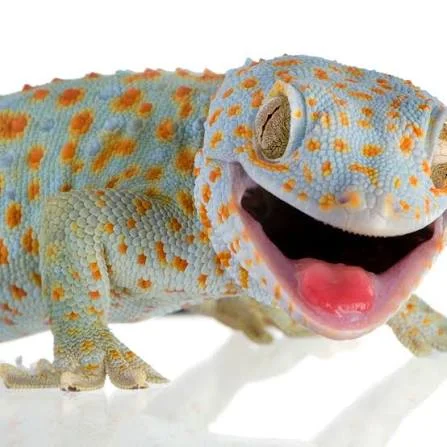 Its bright spots, powerful grip, loud call, and bold personality make it fascinating to watch. However, this is not a typical beginner reptile.
Tokay Geckos are nocturnal, arboreal, territorial, and can bite hard when frightened or handled improperly.
With the right enclosure, temperature, humidity, diet, and respectful handling, an experienced keeper can enjoy this remarkable lizard for many years.
What Is a Tokay Gecko?
The Tokay Gecko (Gekko gecko) is a large, colorful arboreal gecko native to tropical parts of Southeast Asia, Indonesia, and the Philippines.
It is primarily active at night and spends much of its time climbing on trees, walls, rocks, and other elevated surfaces.
The species is famous for its loud “to-kay” vocalization, which is where its common name comes from. It is also known for its strong jaws, sharp teeth, sticky toe pads, and defensive personality.
For beginners, a Tokay Gecko can be challenging.
This species is better suited to keepers who understand reptile husbandry and are prepared to respect its natural behavior rather than expecting a cuddly pet.
Veterinary guidance classifies its care as advanced, while specialist husbandry guidance also rates it as a high-difficulty species.
Tokay Gecko Origin and Natural Habitat
Tokay Geckos naturally occur across tropical regions of Southeast Asia. They are highly adaptable and can live in forests as well as areas close to human settlements.
In the wild, these geckos are strongly associated with warm, humid environments.
Their arboreal lifestyle means they spend considerable time above ground, where they climb branches, tree trunks, walls, and dense vegetation.
A good captive habitat should therefore provide more than floor space. Height, climbing opportunities, hiding places, ventilation, and a suitable humidity cycle are all important parts of Tokay Gecko care.
Where Do Tokay Geckos Live?
Tokay Geckos live in warm tropical environments where humidity is relatively high. They may be found in forests, gardens, plantations, buildings, and other areas where insects are plentiful.
Their natural environment helps explain several important behaviors:
- They are mainly active at night.
- They spend much of their time off the ground.
- They climb extremely well.
- They hunt insects and other small prey.
- They hide during daylight hours.
- They use vocalizations to communicate.
- They can become territorial around other geckos.
Recreating every detail of the wild is impossible, but a thoughtfully designed terrarium can provide the environmental conditions needed for healthy captive care.
Tokay Gecko Size and Appearance
Tokay Gecko size commonly falls around 8–16 inches in total length, although many adults are closer to the 10–12-inch range.
Some individuals can become particularly large. They have a sturdy body, large eyes, adhesive toe pads, a broad head, and a relatively powerful jaw.
Their classic appearance includes a grayish, bluish, or pale base color covered with orange, red, or dark spots.
Color and pattern can vary between individuals and local populations.
Tokay Gecko Types and Color Forms
People often search for Tokay Gecko types, but it is important not to confuse color or locality variations with separate species.
| Type or Form | General Appearance | Important Note |
| Wild-type Tokay | Gray or bluish base with contrasting spots | Common natural appearance |
| Orange-spotted form | Strong orange or reddish spotting | Pattern intensity varies |
| Red-spotted form | More pronounced reddish markings | Descriptive color variation |
| High-contrast individuals | Big difference between body and spots | Individual variation is common |
| Captive-bred lines | Selectively produced patterns or colors | Availability varies by breeder |
These descriptions are useful for identifying appearance, but they should not automatically be treated as formally recognized separate Tokay Gecko species or subspecies.
Tokay Gecko Lifespan
The Tokay Gecko lifespan can be more than 10 years with proper care. Some specialist husbandry sources report captive individuals reaching approximately 15–20 years under excellent conditions.
That means purchasing a Tokay Gecko is a long-term commitment.
Proper nutrition, temperature, humidity, hygiene, stress management, and veterinary care can all influence its health and longevity.
Is a Tokay Gecko a Good Pet?
A Tokay Gecko can be a rewarding pet for an experienced reptile keeper, but it is generally not an ideal choice for someone looking for a beginner-friendly or highly handleable lizard.
Its impressive appearance and interesting behavior are major attractions.
On the other hand, its defensive nature, strong bite, territorial behavior, and specialized habitat requirements require patience and knowledge.
If your main goal is to regularly hold and cuddle a reptile, another species may be more suitable.
If you enjoy observing natural behavior and creating a sophisticated tropical habitat, a Tokay can be an interesting long-term project.
Tokay Care Requirements at a Glance
| Feature | Details |
| Scientific name | Gekko gecko |
| Adult size | About 8–16 inches |
| Typical lifespan | 10+ years; potentially longer |
| Activity | Primarily nocturnal |
| Lifestyle | Arboreal |
| Diet | Insectivorous/carnivorous |
| Difficulty | Advanced |
| Housing | One Tokay per enclosure |
| Adult enclosure | Around 24 × 24 × 48 inches or larger is a conservative long-term target |
| Humidity | Generally 60–80% |
| Basking area | About 90–100°F |
| Cool area | About 80–85°F |
| Night temperature | About 76–80°F |
| UVB | Recommended when properly installed |
| Main food | Gut-loaded insects |
| Handling | Minimal and respectful |
Care sources differ on minimum enclosure size.
Some veterinary guidance lists a smaller minimum, while specialist husbandry guidance recommends a much taller 24 × 24 × 48-inch enclosure for a single adult.
Because Tokay Geckos are large, arboreal climbers, a taller and more spacious setup is the more conservative long-term approach.
Tokay Enclosure and Habitat Setup
A good Tokay Gecko enclosure should be tall, secure, well-ventilated, and filled with climbing opportunities.
For a single adult, a setup around 24 × 24 × 48 inches is a useful target, with a larger enclosure preferred for especially large individuals.
The enclosure should include:
- Strong climbing branches
- Cork bark or cork hollows
- Vines
- Elevated resting platforms
- Dense foliage
- Secure hides
- A sturdy basking branch
- A shallow water dish
- Moisture-retaining substrate
- Good ventilation
- A secure front or top opening
Because Tokay Geckos are territorial, keeping one gecko per enclosure is the safest general approach.
Why Height Matters
A Tokay Gecko is not a ground-dwelling lizard. It naturally climbs and hunts above the ground. T
herefore, simply providing a large floor area is not enough. Vertical climbing space allows the gecko to move between warm, cool, exposed, and sheltered areas.
Branches should be firmly attached so they cannot fall. Avoid unstable decorations that could injure the animal.
Tokay Temperature Requirements
Proper Tokay Gecko temperature creates a thermal gradient rather than keeping the entire enclosure at one temperature.
A practical target is:
- Basking area: 90–100°F
- Cool zone: 80–85°F
- Night: approximately 76–80°F
Veterinary guidance gives a somewhat broader basking range, reaching up to about 105°F, so temperatures should always be measured at the actual basking surface rather than guessed from bulb wattage.
Use digital thermometers with probes to monitor different areas. Most importantly, heat sources should be controlled safely with a thermostat where appropriate.
Never use an uncontrolled heat source simply because its wattage appears suitable.
Tokay Gecko Humidity
Tokay Gecko humidity should generally remain around 60–80%, with natural variation between the warmer and cooler parts of the enclosure.
Humidity often rises at night and decreases somewhat during the day. This natural fluctuation is preferable to keeping everything constantly soaking wet.
Mist the enclosure as needed to maintain the target humidity and provide drinking droplets.
At the same time, maintain good ventilation because excessive stagnant moisture can encourage bacterial or fungal problems. A digital hygrometer is extremely useful.
Tokay Gecko UVB and Lighting
Although Tokay Geckos are nocturnal, providing an appropriate day/night light cycle is useful.
A roughly 12-hour daytime lighting schedule can help establish a consistent daily rhythm. Specialist husbandry guidance recommends UVB rather than relying entirely on dietary vitamin D3.
UVB setup should be based on the specific bulb, enclosure height, and distance between the light and the basking area.
Avoid placing the animal too close to an overly intense UVB source. The gecko should also have shaded areas where it can move away from light.
Tokay Gecko Diet and Feeding
The Tokay Gecko diet is primarily made up of insects and other animal prey.
A varied diet can include:
- Crickets
- Dubia roaches
- Other appropriate roaches
- Mealworms
- Superworms
- Hornworms
- Calci-worms
- Waxworms as an occasional richer food
Variety is useful because no single feeder insect provides every nutrient in the ideal balance. Prey should be appropriately sized.
A practical rule is to avoid offering prey that is too large for the gecko to safely consume.
Tokay Gecko Feeding Schedule
Young Tokay Geckos generally need more frequent feeding because they are growing.
A common schedule is:
Baby Tokay Gecko: Feed small, appropriately sized insects daily while monitoring body condition.
Adult Tokay Gecko: Feed approximately every other day, adjusting the amount according to body condition, activity, and individual needs.
Do not judge feeding only by whether the gecko seems eager to eat. Tokay Geckos can be enthusiastic hunters, so body condition is more useful than appetite alone.
Baby Tokay Gecko Care
A baby Tokay Gecko requires the same basic environmental principles as an adult, but its prey must be considerably smaller.
Young geckos need:
- Properly sized insects
- Consistent hydration
- Appropriate calcium supplementation
- Correct temperature
- Suitable humidity
- Secure hiding places
- Plenty of climbing opportunities
- Minimal unnecessary handling
Young animals can be particularly vulnerable to husbandry mistakes, so temperatures and humidity should be monitored regularly.
Gut-Loading and Supplements
Feeder insects should be gut-loaded before being offered to the gecko. This means feeding the insects a nutritious diet so that they provide better nutrition when consumed.
Specialist and veterinary guidance commonly recommends gut-loading prey for roughly 24–72 hours before feeding.
Calcium and reptile multivitamin supplementation should also be used according to the gecko’s age, diet, UVB setup, and product instructions.
Avoid randomly combining multiple supplements. Too much supplementation can also be harmful.
Tokay Gecko Water and Hydration
Always provide clean drinking water in a stable, shallow dish.
Many Tokay Geckos also drink droplets left on leaves, branches, or enclosure surfaces after misting.
The enclosure should be humid without becoming permanently saturated. Good ventilation is especially important in a tropical setup.
Tokay Gecko Bite and Teeth
The Tokay Gecko bite is one of the most discussed characteristics of this species. Tokay Geckos have small but sharp teeth and powerful jaws for their size.
A frightened or defensive animal may bite if it feels threatened. Their teeth are designed for catching prey rather than chewing, but a bite can still be painful and may break the skin.
The best way to prevent bites is not to force interaction.
What To Do If a Tokay Gecko Bites
Never pull aggressively on a Tokay Gecko that has latched onto your skin. Pulling can increase injury to both the keeper and the gecko.
Instead, remain calm and allow the animal to release its grip. Avoid provoking the animal further.
If the bite causes significant injury or shows signs of infection, seek appropriate medical care. Good hygiene is also important because reptiles can carry bacteria such as Salmonella.
Tokay Gecko Sound and Communication
The Tokay Gecko sound is one of its most recognizable features.
The species gets its common name from a vocalization that sounds similar to “to-kay.”
These calls are associated with communication and may be particularly noticeable at night. Tokay Geckos can also hiss or make other defensive sounds when stressed.
If you keep one in a bedroom, remember that this is a naturally vocal nocturnal animal. Its nighttime calls can be surprisingly loud.
Tokay Gecko Behavior and Temperament
Tokay Geckos are active, alert, and territorial.
Normal behaviors may include:
- Climbing
- Hunting at night
- Hiding during daylight
- Calling
- Defending a territory
- Watching movement from an elevated position
- Exploring enclosure decorations
A Tokay Gecko that hides during the day is not necessarily sick. Daytime hiding is normal for a nocturnal species.
\However, a sudden change in appetite, movement, appearance, or behavior should be taken seriously.
Tokay Gecko Handling
Tokay Gecko handling should be kept limited, especially with defensive individuals.
Instead of repeatedly grabbing the animal, allow it to become familiar with your presence.
If handling is necessary:
- Move slowly.
- Avoid approaching from above.
- Never grab the tail.
- Do not corner the gecko.
- Keep handling sessions short.
- Use secure containers when moving a highly defensive gecko.
- Wash your hands afterward.
A Tokay Gecko does not need to enjoy handling to be healthy. Respecting its natural temperament is part of responsible care.
Shedding and Humid Hide
Tokay Geckos shed regularly as they grow and maintain healthy skin.
A properly maintained humidity level and a suitable humid hide can make shedding easier.
A humid hide can contain lightly moistened sphagnum moss or another appropriate moisture-retaining material.
Avoid peeling stuck skin forcefully. If retained shed repeatedly affects toes, eyes, or other sensitive areas, consult a reptile veterinarian rather than attempting aggressive removal.
Tokay Gecko Cleaning Routine
Good hygiene is essential.
Daily Cleaning
- Remove feces and urates.
- Remove uneaten insects.
- Replace dirty water.
- Check food dishes.
- Check humidity.
- Check temperature.
- Inspect the animal briefly for obvious problems.
Weekly Cleaning
Perform a more thorough enclosure cleaning as needed. Wash appropriate surfaces and accessories with a reptile-safe cleaning product.
If a disinfectant is used, follow its label directions carefully and rinse surfaces thoroughly before returning the gecko. Never leave chemical residue inside the enclosure.
Veterinary guidance recommends daily spot cleaning and regular thorough disinfection of the habitat.
Fun Activities and Enrichment
Even though Tokay Geckos are not typical interactive pets, they still benefit from environmental enrichment.
You can provide:
- Multiple climbing routes
- Cork bark
- Natural-looking branches
- Dense foliage
- Elevated ledges
- Different hiding locations
- Safe opportunities to hunt feeder insects
Occasionally changing safe climbing arrangements can encourage exploration, but avoid constantly rearranging the enclosure.
A stable environment is important for a defensive reptile. The goal is not to entertain the gecko like a dog.
Instead, enrichment should encourage natural behaviors such as climbing, exploring, hiding, and hunting.
Common Tokay Gecko Health Problems
Potential health concerns include:
- Metabolic bone disease
- Abnormal shedding
- Respiratory infections
- Skin infections
- Parasites
- Injuries
- Mouth problems
- Weight loss
- Dehydration
Poor temperature, humidity, nutrition, supplementation, hygiene, or enclosure design can contribute to health problems.
Signs of a Healthy Tokay Gecko
A healthy animal generally has:
- Clear eyes
- Good body condition
- Clean skin
- Normal movement
- Normal appetite
- Clean nostrils
- Healthy-looking feet
- Regular dropping
- Alert behavior when active
Seek veterinary advice if you notice persistent appetite loss, unusual lethargy, breathing problems, swelling, discharge, unexplained weight loss, abnormal droppings, injuries, or retained shed.
Expert Care Note for Tokay Gecko Owners
The most important part of successful Tokay Gecko care is consistency rather than constantly changing the setup.
Use a thermostat-controlled heating system where appropriate, monitor temperature and humidity with reliable digital equipment, provide a tall and secure enclosure, house the animal individually, and offer varied, appropriately sized insects.
Just as importantly, do not measure success by how easily the gecko can be handled. A Tokay Gecko is a defensive, territorial species by nature.
Good care means creating an environment where it can behave naturally while minimizing unnecessary stress.
For an advanced species like this, establishing a relationship with a veterinarian experienced with reptiles is also a sensible part of responsible ownership.
Veterinary guidance recommends routine health checks and fecal testing as part of ongoing reptile care.
Tokay Gecko Price and Buying Considerations
The Tokay Gecko price can vary considerably depending on age, appearance, locality, captive-bred status, breeder reputation, and geographic location.
When searching for a Tokay Gecko for sale, do not choose an animal based on price alone.
Before purchasing, consider:
- Is the animal captive-bred or wild-caught?
- Does the seller provide clear information about its origin?
- Does it appear alert and healthy?
- Are the eyes clear?
- Is the body in good condition?
- Is there any abnormal discharge?
- Does the animal show signs of injury?
- Can the seller explain its current diet?
- Has it been eating reliably?
A healthy, properly established animal from a responsible source is generally a more sensible purchase than simply choosing the cheapest Tokay available.
Common Tokay Gecko Care Mistakes
Avoid these common mistakes:
1. Using an enclosure that is too small
Tokay Geckos are active climbers and benefit from substantial vertical space.
2. Keeping multiple Tokays together
Their territorial behavior makes individual housing the safer choice.
3. Ignoring ventilation
High humidity does not mean poor airflow.
4. Guessing temperatures
Always measure actual enclosure temperatures rather than relying only on bulb wattage.
5. Feeding only one insect
A varied feeder-insect diet is preferable.
6. Handling too much
Repeated forced handling can create stress and defensive behavior.
7. Forgetting supplementation
Calcium and appropriate vitamins are important parts of a balanced reptile diet.
8. Leaving dirty substrate
Poor hygiene can contribute to health problems.
9. Using unsafe decorations
Loose branches or unstable objects can fall and cause injuries.
10. Expecting a cuddly reptile
A Tokay Gecko is better appreciated as an animal to observe than as a pet that must tolerate frequent handling.
Tokay Gecko Care Checklist
Before bringing one home, make sure you have:
- A secure tall enclosure
- Reliable heat source
- Thermostat
- Digital thermometers
- Digital hygrometer
- Appropriate UVB setup
- Climbing branches
- Cork or suitable hides
- Dense foliage
- Moisture-retaining substrate
- Water dish
- Appropriate feeder insects
- Gut-loading food
- Calcium supplement
- Reptile multivitamin
- Safe cleaning supplies
- A plan for reptile veterinary care
Preparing the enclosure before bringing the gecko home makes the transition easier and allows you to test temperature and humidity first.
FAQs
1. How big does a Tokay Gecko get?
A Tokay Gecko commonly reaches around 8–16 inches in total length, with many adults falling around the 10–12-inch range. Particularly large individuals can require an even larger enclosure.
2. How long does a Tokay Gecko live?
The Tokay Gecko lifespan can exceed 10 years with proper care. Some specialist sources report captive individuals reaching approximately 15–20 years.
3. Are Tokay Geckos good pets for beginners?
Tokay Geckos are generally considered advanced-care reptiles. Their territorial behavior, defensive nature, strong bite, and specialized tropical enclosure requirements make them a better choice for experienced keepers.
4. Why does my Tokay Gecko make a sound?
The famous Tokay Gecko sound resembles “to-kay,” which is how the species received its common name. Vocalizations are part of their natural communication.
5. Do Tokay Geckos bite?
Yes. A frightened or defensive Tokay Gecko can bite. Their jaws and teeth are strong enough to cause a painful injury, so forced handling should be avoided.
6. What does a Tokay Gecko eat?
Tokay Geckos primarily eat insects and other animal prey. Suitable feeder insects can include crickets, roaches, mealworms, hornworms, superworms, and other appropriately sized prey.
7. What humidity does a Tokay Gecko need?
A commonly recommended humidity range is around 60–80%. Humidity should naturally fluctuate rather than remaining constantly saturated, and good ventilation is essential.
8. How big should a Tokay Gecko enclosure be?
For a single adult, a tall enclosure around 24 × 24 × 48 inches is a conservative long-term target, with larger dimensions preferred for particularly large individuals. Specialist husbandry guidance emphasizes generous vertical space because Tokay Geckos are arboreal.
9. Can Tokay Geckos live together?
It is safest to house Tokay Geckos individually because they can be highly territorial and may fight when kept together.
10. Is a baby Tokay Gecko easier to keep?
A baby Tokay Gecko is smaller, but that does not automatically make it easier. Young animals still require carefully controlled temperature, humidity, nutrition, appropriately sized insects, and minimal unnecessary stress.
Final Thoughts
The Tokay Gecko is a fascinating reptile with a bold appearance, unusual vocalizations, impressive climbing ability, and highly interesting natural behavior.
However, its advanced care requirements mean that it should not be purchased simply because it looks attractive.
A successful setup starts with a secure vertical enclosure, reliable temperature control, appropriate humidity, good ventilation, climbing structures, hiding areas, proper UVB, and a varied insect-based diet.
Just as importantly, owners need to understand the animal’s defensive nature and respect its boundaries.
If you are prepared for an advanced reptile that is more rewarding to observe than to handle, a well-cared-for Tokay Gecko can become a fascinating long-term companion.
I’ve created helpful guides in the Birds category on Petstdigo, featuring posts in Care, Cleaning, and Fun Activities. These guides share practical tips on grooming, skin and coat health, bathing routines, nutrition, playtime ideas, and calming solutions to keep your pets happy and healthy. Explore these pages for easy-to-follow advice and insights to support your pet’s overall well-being.