
A Tree Shrew is a small, fast-moving mammal native to South and Southeast Asia. Despite its name, it is not a true shrew and is not simply a type of squirrel. Tree shrews belong to the order Scandentia, a distinct mammalian group that includes several species with different body shapes, habitats, and lifestyles.
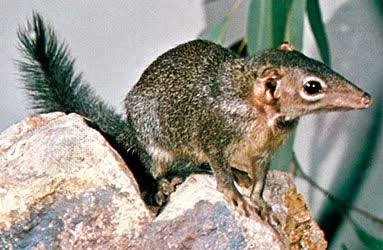 Their pointed faces, long tails, alert eyes, and quick movements make them fascinating animals to study, while their natural diet includes insects, fruits, and other foods depending on the species. For people researching a Tree Shrew pet, however, an important distinction needs to be made.
These are wild mammals rather than domesticated companion animals. Their housing, diet, enrichment, veterinary care, and legal requirements can be considerably more complicated than those of familiar small pets.
This guide explains Tree Shrew care, habitat, diet, lifespan, behavior, cleaning, enrichment, species, health, and pet suitability while also covering unusual topics such as the tree shrew pitcher plant relationship and why some tree shrews can tolerate spicy plant compounds.
What Is a Tree Shrew?
A Tree Shrew is a small mammal belonging to the order Scandentia. Modern classifications place tree shrews in their own order rather than among true shrews or rodents.
There are currently recognized species distributed across several genera and two families, although tree shrew taxonomy has changed considerably over time. The name can be misleading. True shrews belong to a completely different mammalian group, while squirrels are rodents.
Tree shrews were historically placed in different groups because their appearance shares characteristics with several other small mammals. Modern genetic and morphological research supports treating them as their own evolutionary lineage.
Quick Tree Shrew Facts
| Feature | Information |
| Common name | Tree Shrew or Treeshrew |
| Order | Scandentia |
| Main family | Tupaiidae |
| Other family | Ptilocercidae |
| Native region | South and Southeast Asia |
| Typical habitat | Tropical and subtropical forests |
| Diet | Omnivorous, with strong insect and fruit components in many species |
| Activity | Usually diurnal in many Tupaia species |
| Body length | Approximately 12–21 cm in Tupaia species |
| Tail | Often similar to or longer than body length |
| Body mass | Roughly 46–210 g across Tupaia species |
| Pet suitability | Generally unsuitable for beginners |
The measurements above represent broad variation across tree shrews rather than a single species.
Tree Shrew Origin and Where Do Tree Shrews Live?
Tree shrews originated in the forests of South and Southeast Asia and southwestern China. Different species occupy different geographical ranges, so it is important to identify the exact species before discussing its habitat or conservation status.
Tree shrews occur in regions including:
- Malaysia
- Thailand
- Singapore
- Indonesia
- The Philippines
- Myanmar
- Vietnam
- Cambodia
- Laos
- Southern China
- Parts of the Indian subcontinent
The Tree Shrew Malaysia connection is particularly important because Malaysia contains habitat for several species. The Pen-tailed Tree Shrew, for example, occurs in peninsular Thailand, Malaysia, Sumatra, northern Borneo, and nearby islands.
The Common Tree Shrew, Tupaia glis, has a more specifically defined range than older sources sometimes suggested. Research has shown that populations previously grouped under this species included animals that are now recognized as different taxa.
Tree Shrew in Malaysia, Singapore, and Thailand
Tree shrews are strongly associated with Southeast Asian forests. Depending on the species, they may occupy primary forest, secondary forest, plantations, gardens, and forest-edge environments.
This flexibility does not mean they can automatically adapt to a small household enclosure. Natural habitats provide constant opportunities for movement, exploration, foraging, hiding, and climbing.
Tree Shrews Habitat
A natural Shrew habitat can vary considerably from one species to another. Some are strongly associated with forests, while others can also use plantations, gardens, shrubland, and disturbed environments.
The Common Tree Shrew, for example, has been recorded in tropical forests as well as fruit plantations and local gardens. The Pen-tailed Tree Shrew has been found in primary and secondary forests, rubber farms, and houses near forest edges.
It can occur from sea level to elevations of about 2,000 meters, showing how habitat requirements can differ among species.
A healthy natural environment offers:
- Vegetation for cover
- Branches and vines
- Climbing surfaces
- Ground-level exploration
- Nesting or resting areas
- Natural food
- Hiding places
- Different textures and elevations
- Safe escape routes from predators
This complexity is one reason a small conventional pet cage is not an appropriate model for tree shrew husbandry.
Tree Shrew Size and Appearance
Tree shrews are small, but their size varies between species. Across the genus Tupaia, body length can range from about 12 to 21 cm, while the tail may be approximately the same length or slightly longer. Body mass ranges broadly from around 46 to 210 grams.
Their appearance commonly includes:
- A pointed snout
- Small ears
- Large, alert eyes
- Dense fur
- A long tail
- Sharp claws
- Slender limbs
- Strong climbing ability
The Common Shrew averages around 142 grams in body mass, with an average head-and-body length of about 19.5 cm and a tail around 16.5 cm.
Tree Shrew Skull and Anatomy
A Tree Shrew skull is especially interesting to scientists because anatomy and skeletal characteristics have historically played an important role in understanding tree shrew relationships.
Tree shrews were once placed in different evolutionary groups because their anatomy seemed to resemble squirrels, insectivores, and even primates in certain respects. Modern research combines skeletal characteristics, genetics, and other evidence to clarify their relationships.
Shrew Species
There are numerous recognized shrew species, and taxonomy continues to be refined through genetic and morphological research.
Some names readers may encounter include:
- Common Tree Shrew — Tupaia glis
- Northern Tree Shrew — Tupaia belangeri
- Pen-tailed Tree Shrew — Ptilocercus lowii
- Mountain Tree Shrew — Tupaia montana
- Nicobar Tree Shrew — Tupaia nicobarica
- Palawan Tree Shrew — Tupaia palawanensis
- Madras Tree Shrew — Anathana ellioti
- Large Tree Shrew — Tupaia tana
- Pygmy or Lesser Tree Shrew — Tupaia minor
- Javan Tree Shrew — Tupaia javanica
The Northern Tree Shrew, Tupaia belangeri, has a broad range across parts of South and Southeast Asia, including China, Thailand, Malaysia, Myanmar, Vietnam, Cambodia, Laos, and Bangladesh. The Pen-tailed Tree Shrew is particularly easy to recognize because the end portion of its tail has distinctive plume-like hairs.
It is also the only living member of the genus Ptilocercus. Because tree shrew taxonomy is complicated, scientific names are more reliable than common names when comparing species.
Tree Shrew Lifespan
The exact Tree Shrew lifespan is not equally well documented for every species. Some sources provide limited captive information, while wild lifespan estimates can be difficult to establish.
Tree shrews face natural threats such as predators, habitat loss, disease, food availability, and environmental changes. Captive individuals may avoid some wild threats, but they can develop different welfare problems if their environment or diet is inadequate.
Therefore, it is better to avoid giving one universal lifespan number for all tree shrews. A responsible care guide should instead explain that lifespan varies by species, health, nutrition, genetics, and living conditions.
What Does a Tree Shrew Eat?
The Tree Shrew diet is one of the most interesting parts of its natural history. Many tree shrews are omnivorous, with insects and fruit forming important parts of the diet. The exact balance differs among species.
Common natural food categories include:
- Insects
- Beetles
- Ants
- Grasshoppers
- Crickets
- Other small invertebrates
- Fruits
- Nectar
- Seeds
- Plant material
- Occasionally other small prey
For example, Tupaia glis eats a wide variety of insects, other small invertebrates, and fruits. Research has identified numerous fruit species in tree shrew diets, including several species of fig.
The Pen-tailed Tree Shrew has been observed eating fruits such as bananas and grapes as well as crickets and grasshoppers. Stomach-content studies have also identified insects and even small vertebrate prey.
Tree Shrew Feeding Schedule
There is no universally correct feeding schedule for every species.
A captive feeding plan should be designed around:
- The exact species
- Body size
- Age
- Health
- Activity level
- Veterinary recommendations
- Nutritional composition of the food
Food should not simply be provided in unlimited quantities because obesity and nutritional imbalance can become problems in captive animals. Fresh water should always be available.
Tree Shrew Food for Captive Animals
A professional captive diet may use a combination of species-appropriate foods rather than one ingredient.
For some zoo-kept tree shrews, diets may include:
- Insectivore diet
- Mealworm larvae
- Crickets
- Fruits
- Vegetables
- Greens
- Other professionally selected foods
The Smithsonian’s National Zoo, for example, reports feeding Northern Tree Shrews chopped greens, grapes, oranges, apples, root vegetables, an insectivore diet, mealworm larvae, and crickets.
This does not mean the same menu should automatically be copied for a private animal. Zoo diets are developed within controlled husbandry programs and should not be treated as universal recipes.
Tree Shrew Spicy Food
One unusual search topic is Tree Shrew spicy food. Some tree shrews have fascinating relationships with plants containing spicy compounds. Researchers have studied how certain tree shrews can consume naturally occurring spicy foods that would be unpleasant to many other mammals.
However, this should not be misunderstood.
Do not feed a pet tree shrew spicy human foods simply because the species has unusual natural tolerance.
Hot sauces, seasoned leftovers, salty snacks, processed foods, and heavily spiced meals are not substitutes for a balanced species-appropriate diet. The scientific phenomenon is interesting; it is not a recommendation for feeding chili-based human food.
Tree Shrew Pitcher Plant Relationship
The Tree Shrew pitcher plant relationship is one of the most remarkable examples of animal-plant interaction in Southeast Asia. Some tree shrews visit pitcher plants and consume nectar.
The interaction can benefit the plant because the tree shrew leaves waste inside the pitcher, providing nutrients that the plant can absorb. The Smithsonian National Zoo describes this relationship in its Northern Tree Shrew program and reports that keepers have used pitcher plants to showcase this natural interaction.
This is an excellent example of why natural enrichment can be more meaningful than giving an animal random toys. A good environment encourages behaviors that the animal would naturally perform.
Is a Tree Shrew a Good Pet?
For most households, a Tree Shrew is not a good beginner pet. The problem is not that they are necessarily aggressive or impossible to care for.
Instead, their needs are specialized, and they remain wild animals rather than domesticated companion species.
Before considering one, an owner would need to investigate:
- Local wildlife laws
- Legal ownership requirements
- Captive-breeding regulations
- Availability of an exotic-animal veterinarian
- Appropriate enclosure space
- Species-specific nutrition
- Long-term enrichment
- Safe handling
- Emergency veterinary access
Potential Advantages
- Fascinating behavior
- Intelligent and alert
- Unique appearance
- Interesting feeding ecology
- Highly active
- Valuable educational animal
- Excellent subject for wildlife observation
Potential Disadvantages
- Not domesticated
- Specialized diet
- Complex enclosure requirements
- Difficult handling
- Limited veterinary availability
- Legal restrictions may apply
- High enrichment needs
- Stress from inappropriate handling
- Not suitable for inexperienced owners
For most people, observing tree shrews through reputable zoos, conservation programs, or wildlife research is a better option than trying to keep one as a conventional household pet.
Tree Shrew Care and Enclosure Setup
A proper Tree Shrew enclosure should be designed around natural behavior rather than minimum cage dimensions.
Important features include:
- Secure construction
- Adequate usable space
- Vertical climbing opportunities
- Horizontal movement areas
- Multiple hiding places
- Natural-looking branches
- Safe resting areas
- Feeding stations
- Clean drinking-water access
- Good ventilation
- Escape prevention
- Easy-to-maintain surfaces
The enclosure should allow the animal to make choices. It should be able to climb, explore, hide, rest, forage, and move away from people when it wants privacy. A small rodent cage is generally not an appropriate substitute for a purpose-designed exotic mammal enclosure.
Temperature and Humidity
Environmental requirements depend on species and natural range. For example, Northern Tree Shrews occur in tropical and subtropical environments, while records show that they can inhabit areas with substantial elevation differences.
Therefore, there is no single temperature or humidity setting that should be blindly applied to every tree shrew.
A responsible enclosure should have:
- A reliable digital thermometer
- A hygrometer
- Good ventilation
- Protection from drafts
- Stable environmental conditions
- Species-appropriate temperature and humidity
Avoid sudden environmental changes.
If a captive animal shows signs of overheating, chilling, respiratory difficulty, or unusual lethargy, contact an exotic-animal veterinarian promptly.
Tree Shrew Cleaning Routine
Good hygiene is essential, but cleaning should not destroy useful environmental enrichment every day.
Daily cleaning
Check the enclosure for:
- Spoiled food
- Dirty water
- Wet or heavily contaminated substrate
- Fresh feces
- Damaged branches
- Mold
- Escape points
Remove spoiled food promptly.
Water containers should be cleaned regularly and refilled with fresh water.
Deeper cleaning
- A deeper cleaning routine can include:
- Removing heavily soiled substrate.
- Washing food and water containers.
- Cleaning contaminated surfaces.
- Checking climbing equipment.
- Replacing damaged materials.
- Disinfecting suitable surfaces when necessary.
- Returning safe enrichment afterward.
Avoid leaving the enclosure completely sterile if doing so removes all scent and environmental familiarity. The goal is cleanliness without unnecessary disruption.
Tree Shrew Behavior
Many tree shrews are extremely active animals. Northern Tree Shrews are described as diurnal, meaning they are active during daylight hours.
Their natural behavior can include:
- Foraging
- Climbing
- Running
- Exploring
- Scent investigation
- Searching for insects
- Feeding on fruit
- Territorial behavior
- Resting in sheltered locations
Social behavior also varies between species. Northern Tree Shrews may form small social groups involving parents and offspring, while males and females can maintain overlapping territories and monogamous pairings.
Because behavior differs by species, owners should never assume that one tree shrew species behaves exactly like another.
Fun Activities and Enrichment
The best Tree Shrew fun activities are those that encourage natural behaviors.
1. Foraging games
Hide small portions of appropriate food around safe areas of the enclosure. This encourages searching instead of simply eating from one bowl.
2. Climbing routes
Use safe branches and platforms to create different movement paths.
3. Insect hunting
For suitable species and under professional nutritional guidance, live insects can encourage natural hunting and feeding behavior.
4. Hiding opportunities
Provide several safe places where the animal can retreat.
5. Natural textures
Different safe branches, surfaces, and vegetation can make the environment more interesting.
6. Food puzzles
Use safe enrichment devices that make the animal work for part of its food.
7. Rotating enrichment
Change selected enrichment items periodically while keeping important familiar features in place.
The goal is not to constantly rearrange everything. Instead, enrichment should provide meaningful choices without creating unnecessary stress.
Handling a Tree Shrew
A Tree Shrew should not be treated like a tame hamster. Even if an individual appears calm, that does not automatically mean it enjoys being held.
If handling is required:
- Move slowly.
- Keep noise low.
- Avoid chasing the animal.
- Never grab the tail.
- Use safe containment techniques.
- Keep necessary handling brief.
- Monitor body language.
- Follow veterinary instructions.
Frequent forced handling can create stress and may increase the risk of escape or injury. For many tree shrews, observation is better enrichment than physical interaction.
Tree Shrew Health and Veterinary Care
A healthy tree shrew should be monitored for changes in:
- Appetite
- Body weight
- Activity
- Stool
- Breathing
- Fur condition
- Skin
- Eyes
- Nose
- Movement
- Normal behavior
Warning signs can include:
- Sudden appetite loss
- Weight loss
- Persistent diarrhea
- Difficulty breathing
- Nasal or eye discharge
- Unusual lethargy
- Skin problems
- Abnormal movement
- Repeated scratching
- Major behavioral changes
Exotic mammals can hide illness until they are seriously unwell. That makes routine observation especially important. A veterinarian experienced with exotic mammals should ideally be identified before an animal is acquired.
Tree Shrew vs Squirrel
People frequently compare tree shrews and squirrels because they look similar.
| Feature | Tree Shrew | Squirrel |
| Mammalian group | Scandentia | Rodentia |
| True shrew? | No | No |
| Rodent? | No | Yes |
| Snout | Usually pointed | Variable |
| Tail | Usually long | Often long and bushy |
| Diet | Often insects + fruit | Varies by species |
| Natural range | Mainly South/Southeast Asia | Many regions worldwide |
| Domestication | Not domesticated | Species-dependent |
| Beginner pet | Generally unsuitable | Usually not recommended as a typical pet |
The resemblance is therefore mostly visual rather than taxonomic.
Shrew Predators and Natural Threats
In their natural environment, tree shrews face predators and other dangers.
Potential threats can include:
- Snakes
- Birds of prey
- Carnivorous mammals
- Domestic animals around human settlements
- Habitat destruction
- Forest fragmentation
- Roads
- Human disturbance
Their alert nature, speed, climbing ability, and use of cover help them navigate these threats. This is another reason a captive enclosure should include hiding places and multiple levels.
Shrew Conservation
Conservation status cannot be generalized across all tree shrews. Recent scientific reviews emphasize that shrews remain relatively understudied and that updated taxonomy and conservation assessments continue to change our understanding of individual species.
Some species have relatively broad ranges, while others are restricted to particular islands or habitats. The Pen-tailed Tree Shrew, for example, is listed as Least Concern in the Animal Diversity Web account but is also included in CITES Appendix II, demonstrating why conservation and trade questions should be considered separately.
Habitat destruction and fragmentation remain important concerns for tree shrews because many species depend on tropical forest ecosystems.
Tree Shrew Scientific Importance
Shrews are not only interesting from a wildlife perspective. They have also become important research animals. Certain species, particularly Tupaia belangeri, are used as biomedical models because aspects of their biology make them useful for research involving infectious diseases, metabolism, vision, aging, and other areas.
Recent scientific reviews continue to highlight their importance in biomedical and evolutionary research. Their value to science is another reason responsible conservation and welfare matter.
Beginner Mistakes to Avoid
Anyone researching how to care for a Shrew should avoid these common mistakes:
- Assuming it is a squirrel
- Assuming it is a true shrew
- Buying one without identifying the species
- Keeping it in a tiny cage
- Feeding only fruit
- Giving spicy processed foods
- Ignoring insect-based dietary needs where applicable
- Providing little enrichment
- Handling it excessively
- Keeping unsuitable species together
- Ignoring local laws
- Buying wild-caught animals
- Failing to locate an exotic veterinarian
- Copying care instructions from another species
- Assuming all tree shrews have identical behavior
The biggest lesson is straightforward: a small exotic mammal can still have complex care requirements.
FAQs
1. What is a Tree Shrew?
A Tree Shrew is a small mammal in the order Scandentia. It is neither a true shrew nor a squirrel.
2. Where do Tree Shrews live?
Tree shrews are native mainly to South and Southeast Asia and southwestern China. Their exact distribution depends on the species.
3. What does a Tree Shrew eat?
Most tree shrews have omnivorous diets that can include insects, other invertebrates, fruit, nectar, seeds, and other plant or animal foods depending on species.
4. Are Tree Shrews good pets?
Generally, no. They are wild animals with specialized housing, diet, enrichment, veterinary, and legal requirements, making them unsuitable for most beginners.
5. How long does a Tree Shrew live?
A universal lifespan is difficult to provide because tree shrew species differ and reliable lifespan data are limited for some species.
6. Is a Tree Shrew a squirrel?
No. Squirrels are rodents, while tree shrews belong to the separate order Scandentia.
7. Can Tree Shrews eat spicy food?
Some species have unusual natural associations with spicy plant compounds, but spicy human food should not be offered as a normal pet food.
8. Why do Shrews visit pitcher plants?
Some shrews feed on nectar from pitcher plants and can provide nutrients to the plant through their waste. This creates a remarkable ecological relationship.
9. Can Tree Shrews be handled?
Handling should generally be minimized. They are wild mammals and may become stressed by unnecessary physical contact.
10. What is the scientific name of the Common Shrew?
The Common Shrew is commonly identified as Tupaia glis. However, tree shrew taxonomy has a complicated history, so scientific sources should be checked when identifying particular populations.
Final Thoughts
The Tree Shrew is one of the most fascinating small mammals found in Asian forests. Its squirrel-like appearance, unusual evolutionary history, omnivorous diet, active behavior, and remarkable relationship with pitcher plants make it a rewarding animal to learn about.
However, the fact that a Tree Shrew is small and attractive does not make it an easy pet. These animals have evolved for complex forest environments where they can forage, climb, hide, explore, and interact with a constantly changing ecosystem. For anyone researching Shrew care, the most responsible approach is to begin with the exact species.
From there, housing, nutrition, enrichment, environmental conditions, cleaning, handling, and veterinary care should all be designed around that species rather than copied from generic rodent or squirrel guides.
I’ve created helpful guides in the Birds category on Petstdigo, featuring posts in Care, Cleaning, and Fun Activities. These guides share practical tips on grooming, skin and coat health, bathing routines, nutrition, playtime ideas, and calming solutions to keep your pets happy and healthy. Explore these pages for easy-to-follow advice and insights to support your pet’s overall well-being.