
If you want a small exotic pet that is unusual, attractive, and relatively easy to maintain, the Zebra Isopod is an excellent species to consider. With bold black-and-white markings, a fascinating ability to curl into a ball, and interesting colony behavior, these tiny terrestrial crustaceans have become popular with invertebrate keepers and bioactive terrarium enthusiasts.
 They do not need daily handling or complicated equipment, but they do require the right balance of moisture, ventilation, food, calcium, and shelter.
This complete Zebra Isopod care guide explains everything beginners need to know, including the species’ origin, natural habitat, size, lifespan, diet, humidity, temperature, enclosure setup, substrate, cleaning, breeding, molting, behavior, cost, morphs, health concerns, and whether Zebra Isopods make good pets.
What Is a Zebra Isopod?
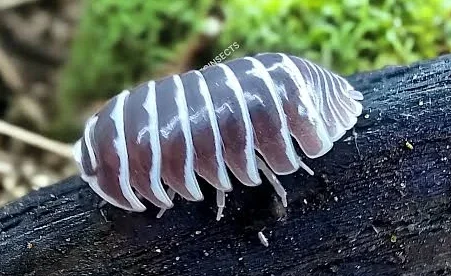
The Zebra Isopod commonly kept in the hobby is Armadillidium maculatum, a terrestrial crustacean recognized for its contrasting dark body and pale bands. It is also sometimes called the Zebra Pill Bug or Zebra Roly-Poly. Although it lives on land, an isopod is not an insect.
Isopods are crustaceans, meaning they are more closely related to animals such as crabs and shrimp than to beetles or ants. One of their most recognizable characteristics is their ability to curl into a protective ball when threatened.
This behavior is known as conglobation. Zebra Isopods are also social colony animals. Instead of keeping a single individual, most hobbyists maintain a small group that gradually reproduces and develops into a colony.
Zebra Isopod Quick Facts
The zebra isopod’s scientific name generally used for the classic Zebra Isopod is Armadillidium maculatum.
| Feature | Details |
| Common name | Zebra Isopod |
| Scientific name | Armadillidium maculatum |
| Animal group | Terrestrial crustacean |
| Family | Armadillidiidae |
| Adult size | About 10–15 mm |
| Appearance | Dark body with pale bands |
| Natural range | Mediterranean region of southern Europe |
| Main food | Leaf litter and decaying wood |
| Activity | Mostly active in darker or sheltered conditions |
| Social behavior | Colony-forming |
| Difficulty | Beginner-friendly |
| Main care priority | Moisture gradient and ventilation |
| Calcium requirement | Yes |
| Best kept as | Observation pet and clean-up organism |
Zebra Isopod Origin and Where Do They Live?
So, where do Zebra Isopods live? The species commonly sold as Armadillidium maculatum is associated with parts of southern Europe and the Mediterranean region, including areas around southeastern France, Monaco, and northwestern Italy.
Their natural environment can include rocky and vegetated habitats where they can hide beneath natural debris. Instead of remaining exposed, they spend much of their time underneath leaves, bark, stones, and other objects that provide shelter.
This natural history is important when creating a captive habitat. A Zebra Isopod enclosure should not be treated like a tropical rainforest. The species benefits from access to moisture, but it also needs relatively drier areas and good ventilation.
Zebra Isopod Habitat
The natural habitat of Armadillidium maculatum provides several clues about proper captive care.
A suitable habitat should contain:
- Dry and slightly moist microhabitats
- Plenty of leaf litter
- Decaying hardwood
- Cork bark or similar hides
- Organic substrate
- Good ventilation
- Dark areas
- A calcium source
The most important concept is choice. Instead of trying to keep every part of the enclosure at the same moisture level, create different areas so the colony can move where conditions suit it.
This is particularly important after molting, when individuals are more vulnerable.
Zebra Isopod Size
The zebra isopod size is one reason this species works well in small terrariums. Adults are generally around 10–15 mm long, although individual size can vary. Juveniles are considerably smaller and may be difficult to spot when a colony first begins breeding.
Their small size does not mean that enclosure quality is unimportant. A crowded container with poor ventilation can cause problems even when the animals themselves are tiny.
Zebra Isopod Enclosure Size
A starter colony does not need a huge enclosure. For a small colony, a container of approximately 1–3 gallons can be a practical starting point if it has adequate floor space, ventilation, and substrate depth. As the population increases, upgrading to a larger enclosure can make moisture management easier.
The enclosure should provide:
- Enough floor area for movement
- Several inches of substrate
- Hiding places
- Leaf litter
- A moisture gradient
- Secure ventilation
- Space for colony expansion
There is no single perfect enclosure size because colony density, ventilation, substrate depth, and feeding practices all influence how well a setup functions.
How Many Zebra Isopods Should You Start With?
Starting with around 10–20 healthy individuals gives a new colony a reasonable foundation. A larger starter group can establish more quickly, while a very small group may take longer to become visibly established.
If you purchase a colony, prioritize healthy captive-bred animals rather than simply choosing the largest number for the lowest price.
Zebra Isopod Terrarium Setup
Creating a zebra isopod terrarium is relatively simple. Start with a suitable ventilated container. Add several inches of organic substrate, followed by a generous layer of dried leaf litter. Then add pieces of cork bark and decaying hardwood.
A basic setup can include:
- Substrate – Provides burrowing and moisture retention.
- Leaf litter – Serves as food and shelter.
- Decaying hardwood – Provides an important natural food source.
- Cork bark – Creates dark hiding spaces.
- Calcium source – Supports healthy exoskeleton development.
- Moisture zone – Gives the colony access to hydration.
- Ventilation – Prevents stagnant, excessively wet conditions.
You do not need expensive decorations. The colony will benefit more from useful natural materials than from a visually elaborate setup.
Zebra Isopod Substrate
A good substrate should retain some moisture while remaining loose and well aerated.
Common ingredients include:
- Organic pesticide-free soil
- Decaying hardwood
- Crushed leaf litter
- Sphagnum moss in moderation
- Calcium carbonate or limestone
Avoid soils containing fertilizers, pesticides, or other chemical additives. Do not use treated wood or potentially toxic bedding materials. The substrate also becomes part of the colony’s miniature ecosystem.
Microorganisms help break down organic material, while the isopods consume decomposing plant matter and wood.
Zebra Isopod Humidity
Zebra Isopod humidity should be managed through a moisture gradient rather than by chasing one exact number. A moderate enclosure humidity, often around 40–60% overall, can work well when a more humid section is also available.
The exact conditions will vary with ventilation, substrate depth, room temperature, and enclosure design. The important goal is to prevent the entire enclosure from becoming either bone dry or constantly saturated.
If the enclosure is too wet
You may notice:
- Heavy condensation
- Soggy substrate
- Strong odors
- Rapid mold growth
- Poor airflow
- Isopods avoiding certain areas
If the enclosure is too dry
Possible signs include:
- The colony remains concentrated around one damp area
- Increased problems during molting
- Reduced activity
- Dry substrate throughout the container
If the setup becomes dry, moisten one section rather than soaking the entire enclosure.
Zebra Isopod Temperature
Zebra Isopods generally tolerate normal indoor temperatures well. A practical target is around 72–80°F (22–27°C), while prolonged excessive heat should be avoided. In many homes, additional heating is unnecessary.
Keep the enclosure away from:
- Direct sunlight
- Radiators
- Heating vents
- Heat lamps
- Very hot windowsills
Stable conditions are usually more useful than constantly adjusting the temperature.
Zebra Isopod Diet and Food
The foundation of a good Zebra Isopod diet is decaying plant material. In nature, these animals spend much of their time feeding on decomposing organic matter.
Therefore, dried leaves should always be an important part of the enclosure.
Best Zebra Isopod foods include:
- Dried oak leaves
- Beech leaves
- Other safe pesticide-free leaf litter
- Decaying hardwood
- Commercial isopod food
- Small pieces of vegetables
- Occasional protein-rich food
- Cuttlebone or another calcium source
Fresh foods should be offered in small amounts.
Suitable options can include:
- Carrot
- Zucchini
- Squash
- Sweet potato
Remove fresh food if it remains uneaten and begins to spoil.
Do Zebra Isopods Need Protein?
Yes, but only as a supplement.
A small amount of suitable protein food can support a growing colony. However, excessive protein can lead to leftover food, odor, mold, and an increase in nuisance organisms.
Leaf litter and decaying wood should remain the foundation of the diet.
Calcium Requirements
Calcium is essential for proper exoskeleton development and successful molting. A calcium source should remain available in the enclosure.
Popular options include:
- Cuttlebone
- Calcium carbonate
- Clean limestone
- Suitable natural calcium sources
Providing calcium continuously is better than offering it only occasionally.
Zebra Isopod Lifespan
The zebra isopod lifespan varies according to genetics, nutrition, temperature, moisture, and general husbandry. Under favorable captive conditions, individuals can live for several years.
Rather than depending on one guaranteed lifespan figure, focus on long-term stability.
Healthy colonies benefit from:
- Consistent temperatures
- Correct moisture levels
- Good ventilation
- Nutritious leaf litter
- Decaying wood
- Calcium
- Minimal chemical exposure
- Low stress
A properly maintained colony can therefore become a long-term hobby rather than a short-term pet.
Zebra Isopod Behavior
Zebra Isopods are most interesting when observed rather than handled.
You may see them:
- Crawling underneath bark
- Feeding on leaf litter
- Gathering together
- Exploring the enclosure
- Hiding when disturbed
- Molting
- Reproducing
- Moving between moist and dry areas
- Curling into defensive balls
They may be more visible after the room becomes darker or quieter.
Zebra Isopod Molting
Molting is a normal and essential part of an isopod’s life. Because the old exoskeleton must be replaced as the animal grows, a molting isopod can be particularly vulnerable.
During this period:
- Avoid unnecessary handling.
- Maintain appropriate moisture.
- Ensure calcium is available.
- Provide plenty of hiding places.
- Avoid disturbing freshly molted individuals.
Do not assume that a pale or motionless individual is automatically dead. Recently molted isopods may look different from their normal appearance and can remain relatively inactive.
Male vs Female Zebra Isopods
Determining sex can be difficult when Zebra Isopods are very young. Adult females may have a broader appearance, while males can appear somewhat slimmer.
Experienced keepers may also examine the underside and body structure to identify sex more accurately. For beginners, the easiest approach is usually to start with a healthy group rather than trying to purchase a specific male-to-female ratio.
A mixed colony will naturally contain both sexes when purchased from a reliable breeder.
Zebra Isopod Breeding
Breeding Zebra Isopods is one of the most rewarding parts of keeping a colony. Females carry developing young inside a specialized brood pouch called a marsupium.
Once the young are released, they appear as tiny mancae. They gradually grow through successive molts until they become adults.
How to encourage breeding
- Start with a healthy group.
- Provide enough leaf litter.
- Offer decaying hardwood.
- Maintain stable moisture.
- Provide calcium.
- Avoid extreme temperatures.
- Give the colony plenty of shelter.
- Avoid excessive disturbance.
A new colony may take time to establish. Once reproduction begins, population growth can become increasingly noticeable.
How Fast Do Zebra Isopods Reproduce?
Reproduction depends on colony maturity and environmental conditions. A newly established colony may appear unchanged for some time before young become obvious.
Once several mature females are reproducing, the population can gradually increase. Avoid constantly changing the enclosure because you want to see faster results. Stability is usually more beneficial than experimentation.
Cleaning a Zebra Isopod Enclosure
Cleaning is important, but over-cleaning is a mistake. Zebra Isopods live among decomposing organic material and microorganisms. Removing all of the substrate and leaf litter too often can disrupt the environment they depend on.
Instead, use spot cleaning.
Remove:
- Uneaten fresh vegetables
- Excessively spoiled food
- Any obviously contaminated material
- Large accumulations of waste when necessary
Do not routinely remove healthy leaf litter and decomposing wood. Add fresh leaf litter as the old material disappears. A healthy enclosure should look natural rather than sterile.
Are Zebra Isopods Good Pets?
Yes, Zebra Isopods can make excellent pets for the right keeper.
They are especially suitable for people who enjoy:
- Exotic invertebrates
- Naturalistic terrariums
- Bioactive enclosures
- Breeding colonies
- Small animals
- Low-maintenance pets
- Observing natural behavior
However, they are not a good choice if you want a pet that enjoys affection or frequent handling. Their greatest appeal is watching a miniature colony develop over time.
Zebra Isopod Cost
The cost of Zebra Isopods varies depending on colony size, breeder, availability, locality, and appearance. A basic starter group is generally much less expensive than a large established colony or uncommon color line.
When calculating the real cost, remember to include:
- Isopods
- Enclosure
- Substrate
- Leaf litter
- Hardwood
- Cork bark
- Calcium
- Food
- Shipping, if applicable
Rare or selectively bred lines can cost considerably more than standard animals.
Zebra Isopod for Sale: Buying Guide
When searching for zebra isopod for sale, focus on identification and colony health rather than price alone.
Before purchasing, ask the seller:
- What is the scientific name?
- Are they captive bred?
- How large is the colony?
- What conditions are they currently kept in?
- What do they eat?
- What moisture level are they accustomed to?
- How are they packaged for shipping?
- What live-arrival policy is offered?
Most importantly, make sure you know exactly which species you are buying.
Zebra Isopod Morphs and Color Varieties
The hobby includes several trade names for different appearances. However, not every name represents a formally recognized scientific morph.
| Zebra Type / Hobby Name | Description |
| Zebra Isopod | Classic black-and-white Armadillidium maculatum |
| Yellow Zebra Isopod | Yellow-toned Zebra line or hobby variety |
| Chocolate Zebra Isopod | Darker brown or chocolate-colored hobby line |
| Champagne Zebra Isopod | Pale champagne-colored trade variety |
| White Zebra Isopod | Very pale or white-looking hobby line |
| Maculatum Zebra Isopod | Name directly referring to A. maculatum |
| Zebra Yellow Isopod | Trade/search variation for yellow Zebra lines |
| Zebra Champagne Isopod | Trade/search variation for champagne-colored lines |
| Borneo Zebra Isopod | A different hobby animal in some listings; verify species before purchase |
The term Borneo Zebra Isopod deserves particular attention. It should not automatically be treated as another name for Armadillidium maculatum.
Different animals sold under similar common names can require different care. Therefore, always identify the species before following a care sheet.
Fun Activities for Zebra Isopod Keepers
Although these animals are tiny, keeping a colony can become a surprisingly engaging hobby.
Build a Naturalistic Habitat
Arrange bark, leaf litter, hardwood, and natural hides to create different microhabitats.
Observe Their Daily Routine
Check where the colony gathers. Their location can provide clues about moisture, temperature, and shelter preferences.
Track Colony Growth
Record approximate colony size and note when you begin seeing mancae.
Photograph Development
Occasional close-up photographs can help you document growth and color differences.
Create a Bioactive Display
Zebra Isopods can contribute to decomposition by consuming decaying organic material. This makes them useful inhabitants of suitable bioactive environments as well as interesting display animals.
Common Zebra Isopod Care Mistakes
Avoid these common problems:
1. Keeping everything soaking wet
A moisture gradient is better than a permanently saturated enclosure.
2. Ignoring ventilation
Moisture without airflow can create unhealthy conditions.
3. Providing too little leaf litter
Leaf litter is both food and shelter.
4. Forgetting calcium
Calcium should be continuously accessible.
5. Overfeeding fresh food
Small amounts are enough.
6. Cleaning too aggressively
Do not replace the entire ecosystem unnecessarily.
7. Handling too often
These are observation animals.
8. Mixing colonies
Different species or lines may compete and can make colony identification difficult.
9. Buying without species identification
Common names can be misleading, particularly with unusual trade names.
Zebra Isopod Health and Troubleshooting
When a colony appears unhealthy, begin by checking the environment.
Look at:
- Temperature
- Moisture
- Ventilation
- Food
- Calcium
- Substrate
- Possible chemical contamination
Possible warning signs
- Sudden unexplained deaths
- Failed molts
- Persistent inactivity
- Strong odors
- Excessive mold
- Extreme mite populations
- Very poor reproduction
Do not immediately change everything at once. Make one reasonable adjustment at a time so you can understand what is affecting the colony.
If mortality continues despite appropriate husbandry, seek advice from an experienced isopod keeper or an exotic-animal veterinarian familiar with invertebrates.
Expert Care and Responsible Ownership
Good Zebra Isopod husbandry begins with species identification and an understanding of natural behavior. The classic Armadillidium maculatum should not automatically be kept under the same conditions as every tropical isopod sold in the hobby.
Similar-looking animals can have different moisture and temperature requirements. Responsible ownership also means purchasing captive-bred animals when possible, checking regulations before transporting live invertebrates, avoiding wild collection where inappropriate, and maintaining accurate information about the colony.
If you plan to breed or sell animals, keep different species and distinct lines separated and clearly labeled. Most importantly, care should be based on the animals’ behavior and enclosure conditions rather than blindly following one fixed humidity or temperature number.
Is a Zebra Isopod Right for You?
A Zebra Isopod may be a great choice if you want a pet that is:
- Small
- Quiet
- Unusual
- Affordable to maintain
- Interesting to observe
- Suitable for a naturalistic enclosure
- Capable of forming a breeding colony
It may not be the right choice if you want:
- A cuddly pet
- Frequent physical interaction
- An animal that responds to its owner
- A highly interactive companion
Think of Zebra Isopods as a living miniature ecosystem rather than a traditional companion animal.
FAQs
1. What is the Zebra Isopod scientific name?
The classic Zebra Isopod is commonly identified as Armadillidium maculatum.
2. Are Zebra Isopods good pets for beginners?
Yes. They can be beginner-friendly when provided with suitable ventilation, moisture, leaf litter, wood, calcium, and shelter.
3. How big do Zebra Isopods get?
Adult Zebra Isopods commonly reach approximately 10–15 mm, although size varies between individuals.
4. What humidity do Zebra Isopods need?
A moderate humidity level with a moist area available is generally preferable to keeping the entire enclosure extremely wet.
5. What do Zebra Isopods eat?
Their primary food is decomposing leaf litter and hardwood. Vegetables, commercial diets, and occasional protein can be offered as supplements.
6. How long do Zebra Isopods live?
They can live for several years under suitable captive conditions, although lifespan varies with genetics and husbandry.
7. Do Zebra Isopods need calcium?
Yes. A permanent calcium source such as cuttlebone or suitable calcium carbonate should be provided.
8. How many Zebra Isopods should I start with?
A group of around 10–20 healthy individuals can provide a practical foundation for a new colony.
9. Can Zebra Isopods be handled?
They can be handled carefully, but frequent handling is unnecessary and can stress or injure them. Observation is generally better.
10. What is a Borneo Zebra Isopod?
Borneo Zebra is a hobby name that can refer to an isopod different from Armadillidium maculatum. Always verify the scientific or working name before purchasing and setting up the enclosure.
Final Thoughts
The Zebra Isopod is one of the most attractive and approachable terrestrial isopods for keepers who enjoy small exotic animals. Its striped appearance, defensive behavior, simple diet, and colony lifestyle make it both educational and entertaining.
The key to successful care is balance. Provide enough moisture without making the enclosure waterlogged. Offer plenty of leaf litter and decaying hardwood while using fresh foods only as supplements. Keep calcium available, maintain ventilation, and give the colony enough dark hiding places.
Cleaning should also be gentle. A healthy enclosure should retain its natural organic structure rather than being repeatedly stripped down and sterilized. For beginners, perhaps the most important lesson is to identify the exact species before buying.
The classic Zebra Isopod is generally associated with Armadillidium maculatum, while names such as Borneo Zebra can refer to different animals. With the right setup and a little patience, a small starter colony can develop into a thriving population that provides months or even years of fascinating observation.
For anyone interested in bioactive terrariums, breeding projects, or unusual low-maintenance pets, Zebra Isopods are well worth considering.
I’ve created helpful guides in the Birds category on Petstdigo, featuring posts in Care, Cleaning, and Fun Activities. These guides share practical tips on grooming, skin and coat health, bathing routines, nutrition, playtime ideas, and calming solutions to keep your pets happy and healthy. Explore these pages for easy-to-follow advice and insights to support your pet’s overall well-being.